Counting the waves…
Counting the waves…
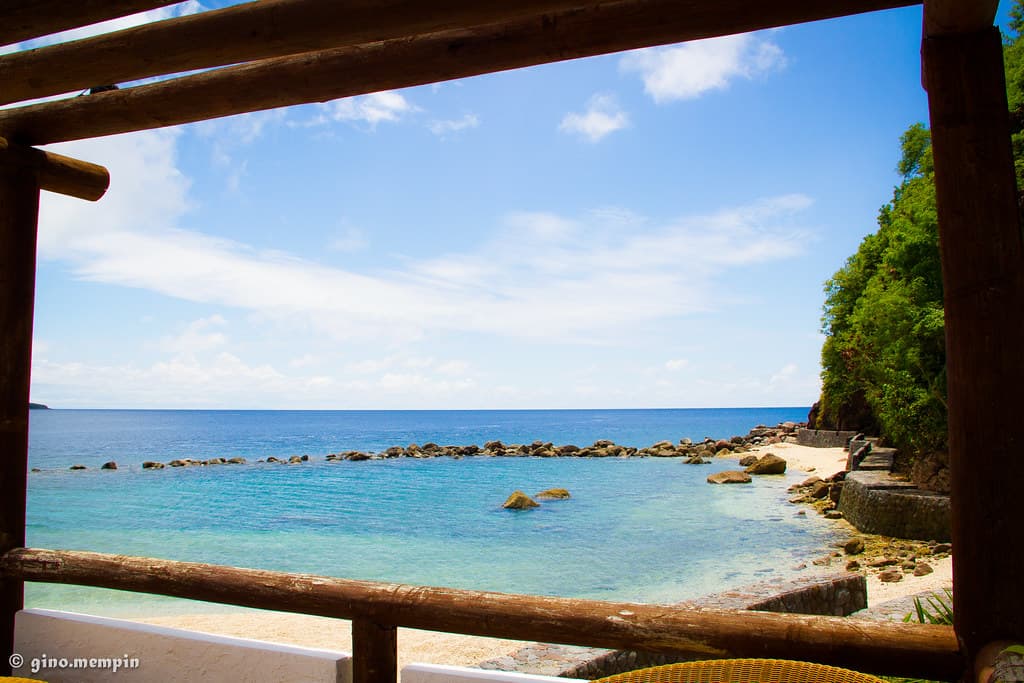
The bangka engine cuts out a hundred meters from shore, and suddenly you hear what the motor obscured: wind scraping through limestone crevices, the hiss of wavelets on sand, the conversational squawk of reef egrets. The Tres Reyes—Spanish for "Three Kings"—rise in a line from southwest to northeast, their cliffs honeycombed with cavities carved by millennia of rain and spray. At high tide they appear as separate entities, but you've timed this right: the water's dropping, and the sandbars are already emerging like pale tongues between the islands. You wade ashore on the southernmost island, feet sinking into sand that's almost white, ground from coral and shell over geological time. The beach wraps halfway around the base before surrendering to vertical rock face. Hermit crabs scatter at your approach, dragging borrowed shells that click against volcanic pebbles mixed with the coral sand. The island's interior is barely explorable—too steep, too dense with salt-tolerant scrub—but the circumference walk reveals tide pools trapped in limestone basins, each one a miniature ecosystem of urchins, anemones, and thumb-sized fish in neon colors. By the time you wade to the middle island, the sandbars have widened into highways. Other visitors—mostly Filipino families from Gasan who've chartered bangkas for the day—spread picnics on the exposed sand, setting up portable grills for milkfish and rice. Children shriek in the shallows while adults wade farther out with spearguns, hunting in the drop-off where the seafloor plunges from three meters to thirty. The third island remains less visited, its beach narrower and rockier, preferred by the herons that nest in the clifftop vegetation. The tide will turn in two hours, erasing the connections, returning the kings to their isolation.
Places, rentals, tours and events within walking and driving distance of Tres Reyes Islands Beach.
Photos
Swimming safety at Tres Reyes Islands varies by specific location within the island group and weather conditions. During calm weather in the dry season, swimming is generally safe in protected coves and beaches. However, as these are offshore islands, currents can be present between islands and in open water areas. Always assess local conditions before swimming and stay close to shore if you're unsure. No lifeguards are stationed here, so swim responsibly. Ask your boatman about the safest swimming spots, as they know local currents and conditions best.
The optimal time to visit Tres Reyes Islands is during the dry season from November through May, particularly December to April when weather is most stable for island hopping. Calm seas during these months make boat travel safer and more comfortable. The clearer skies also enhance the islands' natural beauty and are better for photography and snorkeling. Weekdays typically see fewer visitors than weekends. Avoid the southwest monsoon season (June to October) when rough seas can make boat access difficult and weather conditions unpredictable for island activities.
Tres Reyes Islands are accessed by boat from Gasan, Marinduque. First, reach Marinduque via ferry from Lucena or Dalahican ports on mainland Luzon, or fly to a nearby airport. From Gasan town, hire a local bangka or arrange an island-hopping tour with local operators. The boat trip duration depends on which island in the group you're visiting and sea conditions. It's best to arrange boat transport through your accommodation or local tourism offices in Gasan. Always confirm return trip arrangements and ensure you hire experienced boatmen familiar with the area.
Tres Reyes Islands have minimal to no permanent food and accommodation infrastructure as they are primarily uninhabited natural islands. Visitors should treat this as a day-trip destination and bring all necessary supplies including food, water, sunscreen, and other essentials from Gasan town. Pack a picnic lunch and plenty of drinking water for your island-hopping adventure. For overnight stays, you'll need to book accommodation in Gasan or nearby towns in Marinduque and visit the islands as day excursions. Some tour operators may provide packed meals as part of island-hopping packages.
Tres Reyes Islands' uniqueness lies in being a small archipelago offering multiple island-hopping experiences in one area. The island group configuration provides diverse beach environments, from sandy shores to rocky outcrops, all within a relatively compact area. This makes it ideal for explorers who want variety in a single trip. Each island may offer different snorkeling opportunities and coastal scenery. The islands' collective charm and the adventure of hopping between them creates a memorable experience distinct from single-beach destinations. The relative isolation ensures pristine conditions and uncrowded beaches.