
Counting the waves…
Counting the waves…
Your bangka departs from the Masbate City waterfront, threading through harbor traffic—cargo vessels, fishing boats, inter-island ferries—before turning toward open water. The reef appears first as a shift in color, that telltale shift from deep blue to aquamarine that signals shallow coral below. Then the sandbar emerges, its boundaries constantly redrawn by tide and current, a temporary island that thousands of years of wave action have piled atop the reef platform. The water here holds your attention more than the sand itself: drop your mask below the surface and the reef sprawls in all directions, table corals and brain formations hosting schools of sergeant majors, parrotfish grinding away at the limestone, the occasional needlefish hovering motionless in the current. The reef's proximity to the city has taken some toll—patches of rubble where dynamite fishing once occurred, the occasional plastic bag snagged on coral branches—but enough thrives to make the snorkeling worthwhile. The sandbar serves as a base camp: you swim out to explore, return to rest on warm sand, repeat. The tidal shifts dictate timing: arrive at low tide for maximum sand exposure and easier reef access, though high tide brings deeper channels between the coral heads that let you drift without scraping your knees. Most visitors come on weekends when outriggers make regular runs, creating a floating party atmosphere with bancas anchored around the perimeter and music carrying across the water. Weekday visits mean near-solitude, just you and the boatman and the fish indifferent to your presence.
Places, rentals, tours and events within walking and driving distance of Buntod Sandbar and Reef Beach.
Photos
Buntod Sandbar and Reef is generally safe for swimming and snorkeling during calm weather conditions. The shallow sandbar areas are particularly safe, though always watch for boats as this is an active area. For snorkeling around the reef, ensure you wear appropriate footwear to protect against coral and sea urchins. Life jackets are recommended for weaker swimmers. Always snorkel with a buddy and avoid touching coral. Check weather conditions before booking your boat trip, as rough seas can make the journey and water activities unsafe.
The best time to visit is during the dry season from November to May when weather is most stable and seas are calmer for boat travel. Early morning visits, especially on weekdays, offer fewer crowds and better photo opportunities of the pristine sandbar. Low tide is ideal for walking on the exposed sandbar. March and April offer excellent weather but can be crowded during holidays. The wet season from June to October may see cancelled boat trips due to rough seas and poor visibility for snorkeling.
Buntod Sandbar is located offshore and requires boat access from Masbate City. Head to the port or designated boat departure points in the city where you can hire a bangka (outrigger boat). Boats can be arranged through local tour operators, hotels, or directly with boatmen at the port. The journey typically takes 20-40 minutes depending on sea conditions. Boat rental costs vary based on group size and duration. It's advisable to arrange boats in advance, especially during peak season or for early morning trips.
Buntod Sandbar is a natural formation with no permanent facilities, so there are no restaurants, restrooms, or shops on the sandbar itself. Visitors should bring their own food, drinking water, snacks, and sun protection. Some tour packages may include packed meals or grilled seafood prepared on the sandbar. Masbate City, where you depart from, has numerous restaurants and stores for provisions. Bring shade umbrellas if desired, and pack out all trash to preserve this pristine environment.
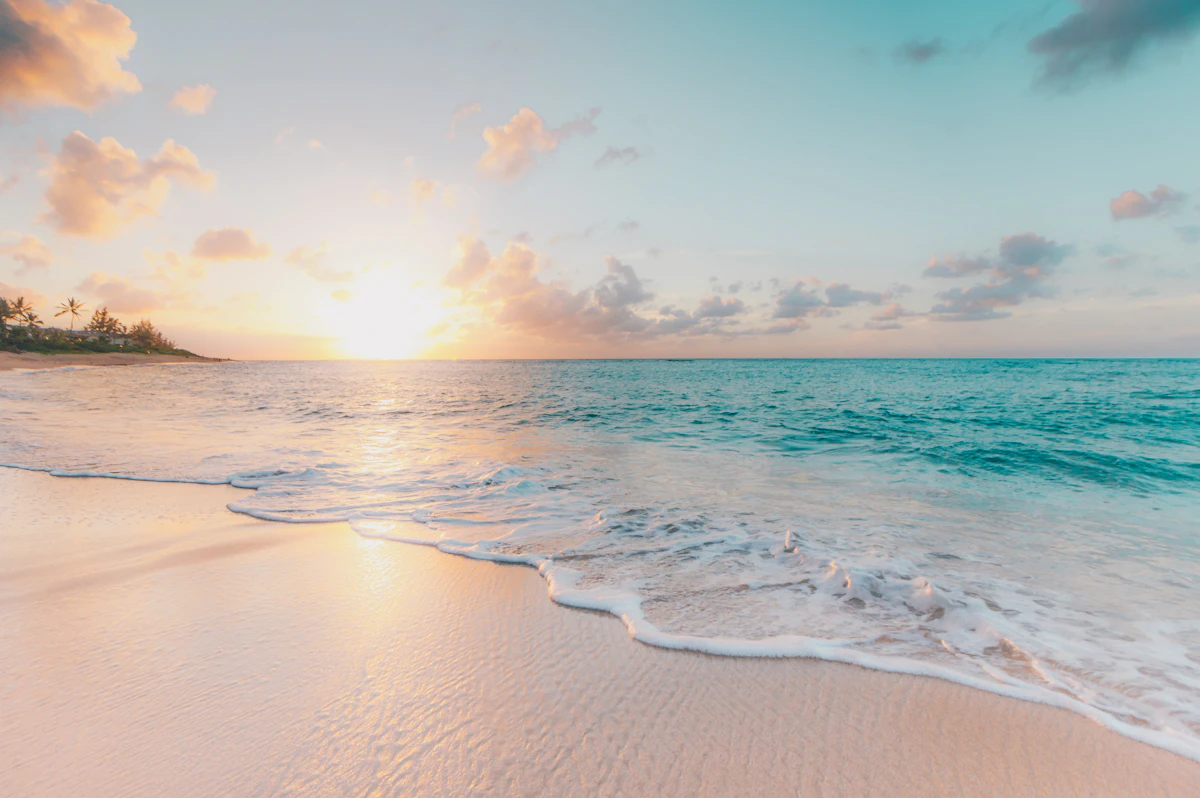
Buntod Sandbar is famous for its stunning turquoise waters and powdery white sandbar that emerges dramatically from the sea, creating picture-perfect contrasts of white sand against brilliant blue water. The surrounding coral reef adds vibrant underwater scenery for snorkeling. Its proximity to Masbate City makes it accessible yet feels remote and unspoiled. The shifting sandbar formation changes with tides, offering different photographic opportunities throughout the day. The combination of pristine natural beauty, marine biodiversity, and relatively undeveloped character makes it a highlight of Masbate tourism.