Counting the wavesβ¦
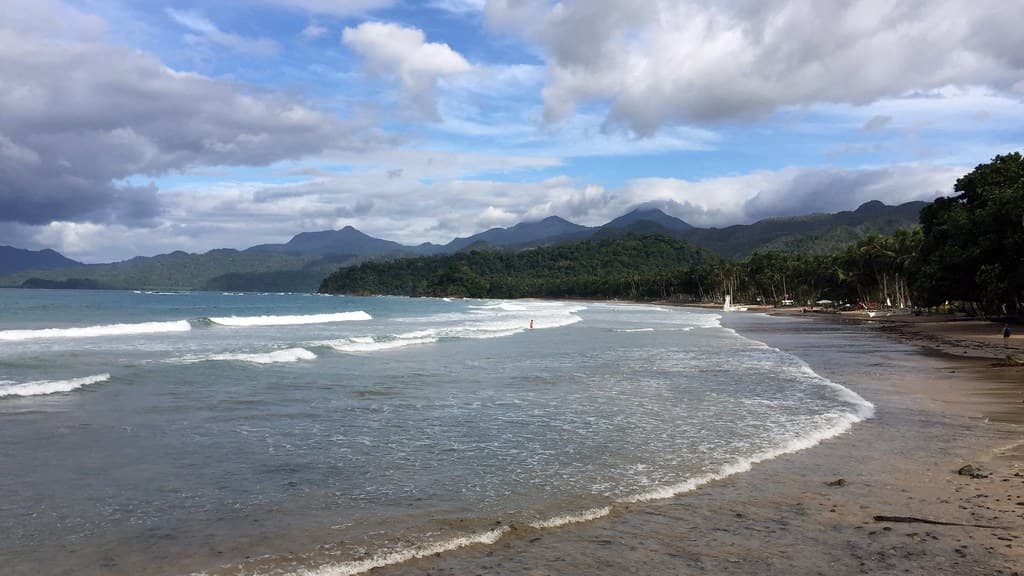
The drive to Napsan takes you past sari-sari stores and bamboo fences, the kind of route where chickens scatter from your path and children wave from doorways. When you arrive, the beach stretches empty except for bancas resting on their outriggers, their painted hulls sun-bleached and salt-worn. The sand here holds the warmth of the afternoon sun, fine enough to sift between your toes but substantial, not powdery. The water comes in shallow and calm, turquoise fading to deeper blue where the reef begins. You can walk out fifty meters before it reaches your waist, the seafloor a mix of sand and scattered coral rubble. Local families arrive in the late afternoon, spreading woven mats and unpacking thermoses of rice and fish. The light at this hour turns the coconut palms into silhouettes and gilds the fishing boats anchored offshore. There are no beach clubs here, no jet skis cutting lines across the bay. A small hut sells cold drinks and instant noodles. You'll hear roosters from the nearby village, the slap of water against boat hulls, the rustle of palm fronds overhead. When the tide retreats, it leaves behind tidal pools stippled with tiny fish, and the beach expands to reveal sandbars that weren't there hours before.
Places, rentals, tours and events within walking and driving distance of Napsan Beach.
Photos
Napsan Beach is generally safe for swimming, with calm and shallow waters near the shore making it suitable for families. The beach has a gradual slope into the sea, which is ideal for less confident swimmers. However, as with any beach, it's advisable to swim during daylight hours and avoid venturing too far out during strong winds or rough weather. There are no lifeguards on duty, so exercise personal caution. Check local weather conditions before visiting and be mindful of any debris after storms.
Napsan Beach can be visited year-round, but the dry season from November to May offers the most reliable weather with sunny skies and calm seas. December to April is particularly pleasant with lower humidity. The wet season from June to October brings occasional rain showers and stronger winds, though the beach remains accessible. Since it's less crowded than main tourist beaches, even peak season visits feel relaxed. Weekdays are quieter than weekends when locals may visit.
Napsan Beach is located approximately 15-20 kilometers north of Puerto Princesa city center. The most convenient way to reach it is by tricycle or renting a motorcycle, which takes about 30-40 minutes depending on traffic. You can hire a tricycle for a round trip or negotiate an hourly rate. If you're driving yourself, head north along the national highway and watch for signs or ask locals for directions. There's no regular public transportation directly to the beach, so private transport is recommended.
Napsan Beach is relatively undeveloped compared to major tourist beaches, so dining and accommodation options are limited in the immediate area. You'll find small local eateries (carinderias) serving Filipino cuisine nearby, but it's advisable to bring snacks and drinks, especially for day trips. Most visitors stay in Puerto Princesa city, which offers a wide range of hotels, guesthouses, and restaurants, and visit Napsan as a day trip. Some basic beach cottages may be available for rent locally.
Napsan Beach stands out for its authentic, local atmosphere away from the typical tourist trail. Unlike the more commercialized beaches, it offers a genuine glimpse of coastal Filipino life with fewer crowds and development. The beach features natural surroundings with coconut palms and a peaceful ambiance that appeals to travelers seeking tranquility. It's a favorite among locals for weekend relaxation, which adds to its authentic charm. The relatively untouched setting makes it ideal for those wanting to experience Palawan's coastline without the tourist infrastructure.