Counting the waves…
Counting the waves…
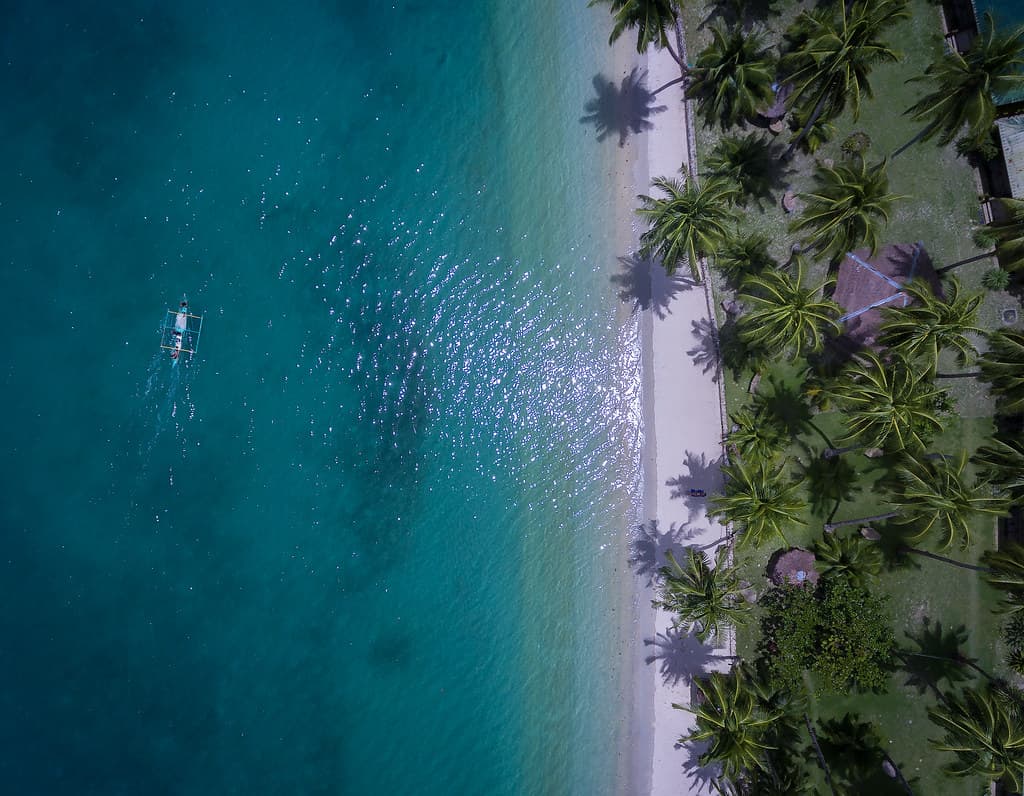
Your boat glides to a stop in the shallows off German Island, the hull scraping gently against sand as you step into knee-deep water. The island is small enough to walk its perimeter in fifteen minutes, covered in dense vegetation that provides shade but leaves the beaches open to sun and breeze. The sand here is bone-white, almost blinding at midday, the kind that heats quickly and cools just as fast once you wade into the water. The real draw lies just offshore, where coral formations rise from the sandy bottom in clusters and walls. You don mask and snorkel and fin out past the beach, the water so clear you can see the reef twenty feet below with perfect clarity. Parrotfish graze on coral, damselfish dart between staghorn branches, and if you're patient and quiet, you'll spot larger fish patrolling the drop-off. The current is gentle here, the reef protected enough for casual snorkeling but varied enough to stay interesting for an hour or more. Between swims, you return to the beach to rest in the shade of beach almond trees, sharing space with other tour groups who've made the same stop. Guides grill lunch on portable stoves, the smell of garlic and grilling pork mixing with salt air. The beach itself is pleasant but unremarkable—it's the gateway to the underwater scenery, a place to enter and exit the water between explorations. By early afternoon, your boat will depart for the next island, but you'll spend the transit replaying the fish you saw and planning a longer return.

Places, rentals, tours and events within walking and driving distance of German Island Beach.
Photos
German Island Beach is generally safe for both swimming and snorkeling, with clear, calm waters that are ideal for observing marine life. The island is surrounded by coral reefs that attract colorful fish and other sea creatures. However, snorkelers should be cautious of sharp coral and sea urchins, wearing protective footwear when entering the water. There are no lifeguards or medical facilities on this small island, so visitors should be confident in their swimming abilities. Always snorkel with a buddy and inform your boat operator of your plans.
The optimal time to visit German Island is during the dry season from November to May, when seas are calmest and visibility for snorkeling is best. March to May typically offers the clearest water and most sunshine, though temperatures are warmer. December to February provides comfortable weather with good conditions. The wet season from June to October can bring rough seas, reduced visibility, and possible tour cancellations. Since access depends on boat transport and snorkeling is a main activity, good weather significantly enhances the experience.
German Island is accessible only by boat and is typically included as a stop on island-hopping tours departing from Port Barton or San Vicente. Tours can be arranged through local tour operators, resorts, or directly with boat owners in either location. The boat journey takes approximately 30-60 minutes depending on your departure point and sea conditions. Most visitors join organized group tours that include multiple islands, though private boats can be chartered for a higher cost. Tours usually include snorkeling equipment, though it's worth confirming beforehand.
German Island is a small, uninhabited island with no permanent facilities, restaurants, or accommodations. Visitors come for day trips, typically as part of island-hopping tours. Most tour packages include a packed lunch or snacks, often enjoyed on the beach during the stop. It's essential to bring your own drinking water, sun protection, and any personal items you'll need. Some tours include basic beach shelters or the shade of natural vegetation for resting between snorkeling sessions. All waste should be taken back with you to maintain the island's pristine condition.
German Island is renowned for its excellent snorkeling opportunities, featuring healthy coral reefs teeming with diverse marine life. The waters surrounding the island offer good visibility and a variety of coral formations that attract colorful tropical fish, making it a highlight of San Vicente island-hopping tours. The relatively shallow reef areas are accessible to snorkelers of various skill levels, while the clear water allows for excellent underwater photography. The island's protected location often means calmer waters compared to more exposed areas, creating ideal conditions for observing the underwater ecosystem up close.