Counting the waves…
Counting the waves…

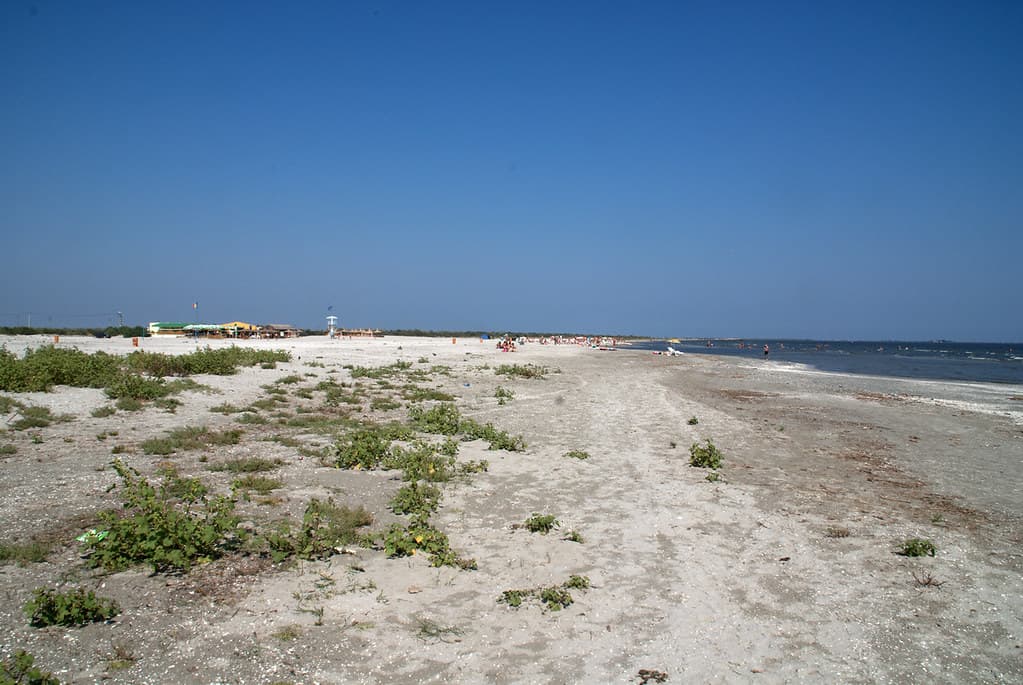
Sacalin Island Beach is a marvel of nature, a shifting barrier island off Sfântu Gheorghe that embodies the wild heart of the Danube Delta. This island, constantly reshaped by the sea, is a sanctuary for countless bird species, making it a prime destination for ornithologists and nature enthusiasts. The air here is alive with the calls of gulls, pelicans, and cormorants, a symphony of the wild. Imagine soft, untouched sand stretching for miles, with the Black Sea on one side and tranquil delta waters on the other. The landscape is raw and pristine, dotted with sparse vegetation that provides vital habitat. Access to Sacalin Island Beach is typically by boat, adding to its sense of discovery and exclusivity, ensuring a truly immersive natural experience. Beyond its stunning scenery, Sacalin Island is a critical ecological zone, a testament to the delta's biodiversity. Whether you're sunbathing in serene solitude, observing rare birds in their natural habitat, or simply marveling at the power of a shifting coastline, this beach offers an unforgettable encounter with untamed nature. It's a place where the wild spirit of the delta truly comes alive.
Places, rentals, tours and events within walking and driving distance of Sacalin Island Beach.
Photos
Swimming at Sacalin Island Beach requires caution due to its wild, unmonitored nature. There are no lifeguards, facilities, or emergency services on this uninhabited barrier island. Currents can be unpredictable, and the beach profile changes due to the island's shifting sands. Only confident swimmers should enter the water, and always during calm weather. Mobile phone coverage is unreliable. The remote location means help is far away in emergencies. It's advisable to visit as part of an organized tour with experienced guides who understand local conditions.
The best time to visit Sacalin Island is May through September for beach access, with June through early September optimal for swimming when water temperatures are comfortable. Spring and autumn are exceptional for birdwatching, as the island is on major migration routes. July and August offer warmest conditions but also most tourist boat traffic. For photography and wildlife observation, early morning visits in late spring or early autumn provide the best light and animal activity. Weather can change rapidly, so check marine forecasts before planning your boat trip.
Sacalin Island is accessible only by boat from Sfântu Gheorghe village, typically requiring 15-30 minutes depending on boat type and sea conditions. Arrange transport through local fishermen, tour operators in Sfântu Gheorghe, or book organized delta tours from Tulcea that include the island. There are no regular scheduled services; most visits are arranged privately or through tour companies. Sea conditions determine accessibility, and trips may be cancelled in rough weather. The island is uninhabited with no facilities, so this is strictly a boat-access destination for adventurous travelers.
Sacalin Island has absolutely no facilities, restaurants, shops, or accommodation as it is an uninhabited, protected barrier island. Visitors must bring everything they need, including drinking water, food, sun protection, and any safety equipment. There are no toilets, shade structures, or fresh water sources. All waste must be carried out to protect the fragile ecosystem. Most visitors come on half-day or day tours that return to Sfântu Gheorghe for meals and lodging. Pack adequately and respect the pristine natural environment during your visit.
Sacalin Island is a dynamic barrier island that constantly shifts and changes shape due to Black Sea currents and Danube sediment, creating a truly wild and evolving landscape. It's a critical habitat for numerous bird species, including nesting colonies of terns and other seabirds, making it exceptional for birdwatching. The island's isolation preserves pristine coastal wilderness rarely found in Europe. Its beaches are untouched by development, offering pure nature experience. The surrounding waters support diverse marine life, and the island itself demonstrates fascinating coastal geomorphology in action within the Danube Delta Biosphere Reserve.