Counting the waves…
Counting the waves…
A refined fusion of water purity, environmental stability, and communal vibrancy for 42nd Kilometre Beach.
View MethodologyAnalyzed via live sensors and environmental data.
Wave height, wind, and atmospheric stability.
Live footfall and crowd balance metrics.
Community reviews and curated sentiment.
“Venture to the northern reaches of the Russian Curonian Spit, where the 42nd Kilometre Beach unfolds as a dramatic canvas of wind-sculpted dunes and Baltic expanse. This hidden gem, just a whisper from the Lithuanian…”
Limited recent visitor reports — live OBI telemetry is your best guide for current conditions.
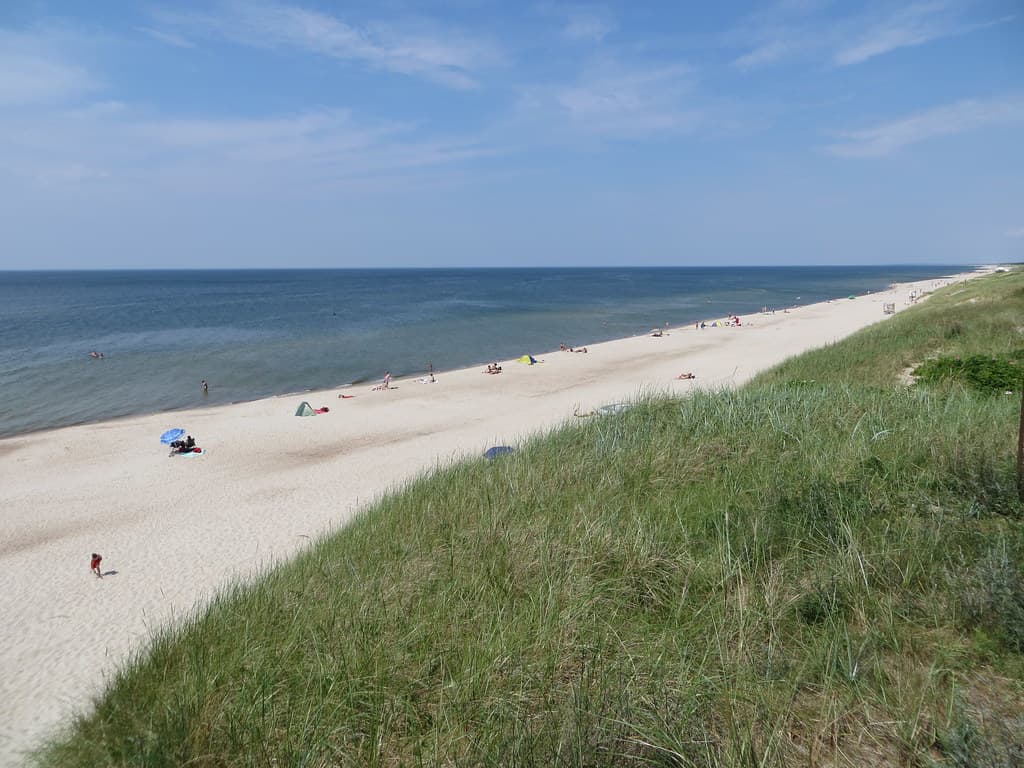
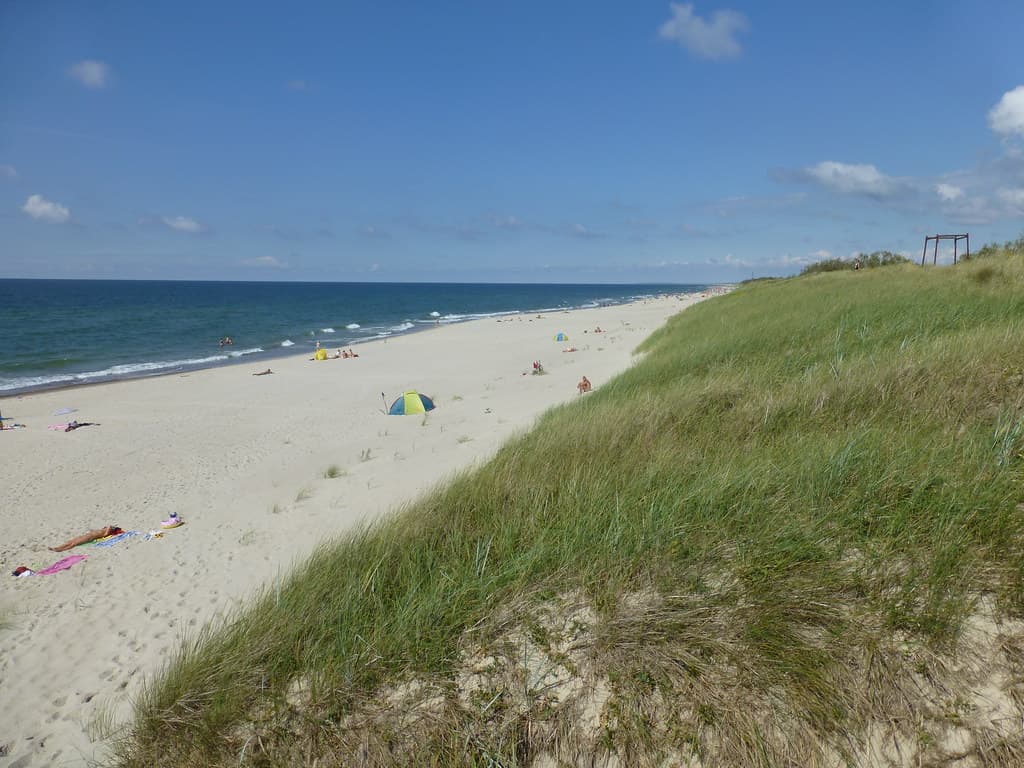
Nestled near the quiet village of Morskoye, the 42nd Kilometre Beach offers a distinct northern beach zone, separate from the village's more frequented shores. Here, the Curonian Spit reveals its wilder side, with towering dunes providing a dramatic backdrop to the Baltic Sea. The air carries the scent of pine and salt, a refreshing balm for the soul as you wander along the expansive shoreline.
This stretch of sand is a photographer's dream, where the interplay of light and shadow across the undulating dunes creates an ever-changing masterpiece. You'll find ample space to spread out, allowing for a truly private experience. The gentle lapping of waves against the shore provides a soothing soundtrack to your exploration, inviting contemplation and a deep connection with the natural world.
 Credit: Unsplash
A view of a body of water with a fence in the foreground
 Credit: Unsplash
A view of the ocean from a sandy beach
Photograph the shifting sand formations
Explore the sandy hills
Relax on expansive, uncrowded sand
Prime Visitation
Best Weather | Less Crowds
Where it is
42nd Kilometre Beach
Morskoye, Kaliningrad Oblast, Russia
55.237500°, 20.939200°
Weather
Loading…
Swell
—
Temp
Warm · Restorative
UV Index
Moderate
Wind
—
Tidal State
Last known
Max Sunlight
—
Ideal Shade
—
May - Sep (Peak)
Jan - Dec (Off-season)
Best Weather | Less Crowds
Select a category to load nearby places.
Unlock restaurants, luxury stays and curated maritime experiences within 2km
Swimming at 42nd Kilometre Beach requires caution due to the absence of lifeguard supervision and the Baltic Sea's variable conditions. Currents can be strong, particularly after storms or during windy conditions. Water temperatures peak at 16-20°C in midsummer but remain quite cold. The beach's remote location means limited emergency response capabilities. Always assess conditions before entering the water, never swim alone, and be aware of sudden depth changes. Strong winds can create challenging wave conditions, making swimming inadvisable on blustery days.
Visit between June and August for the warmest weather, with July offering peak temperatures around 20-23°C and the most pleasant beach conditions. However, this beach's designation as 'less crowds' makes shoulder seasons (May and September) particularly appealing for those seeking solitude. Early morning hours provide the most peaceful experience and best photography light. Weekdays throughout summer see fewer visitors than weekends. The northern exposure means beautiful sunset views over the Baltic Sea during summer months when the sun sets late in the northwestern sky.
The beach's name references its location at approximately the 42nd kilometre marker on the Curonian Spit's main road, north of Morskoye village. From Kaliningrad, drive to Zelenogradsk then continue north on the spit road (entrance fee to national park required). Look for parking areas and beach access paths near the appropriate kilometre marker. The beach requires walking through dune vegetation on designated paths. Having your own vehicle is most practical, as public transport on the spit is limited and doesn't stop at every beach access point.
This beach zone has no on-site facilities, so come prepared with food, water, and supplies. The nearest services are in Morskoye village, a few kilometres south, offering guesthouses and basic dining options. Rybachy village to the north provides additional accommodation choices. Most visitors treat this as a day-trip destination, bringing picnic supplies. The nearest restaurants and shops are in the villages, requiring a short drive. For extended stays, base yourself in Morskoye, Rybachy, or Zelenogradsk and visit the beach as an excursion.
This beach occupies a distinct zone north of Morskoye's main village beach, offering greater isolation and fewer visitors. Its position along the dune-backed northern stretch provides a wilder, less developed atmosphere compared to settlement beaches. The surrounding landscape showcases the Curonian Spit's characteristic pine forests meeting sand dunes and Baltic shoreline. The beach's relative anonymity compared to named landmarks means you'll often find stretches of sand to yourself. It appeals to visitors seeking authentic natural environments without tourist infrastructure or crowds.
Photos