Counting the waves…
Counting the waves…

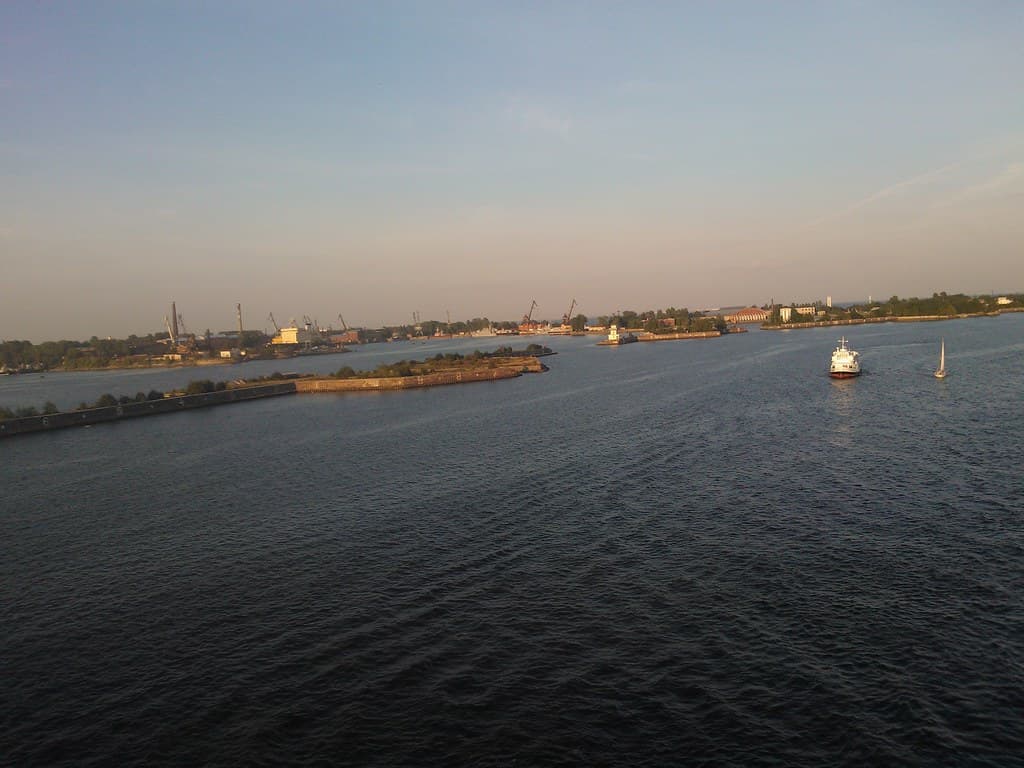
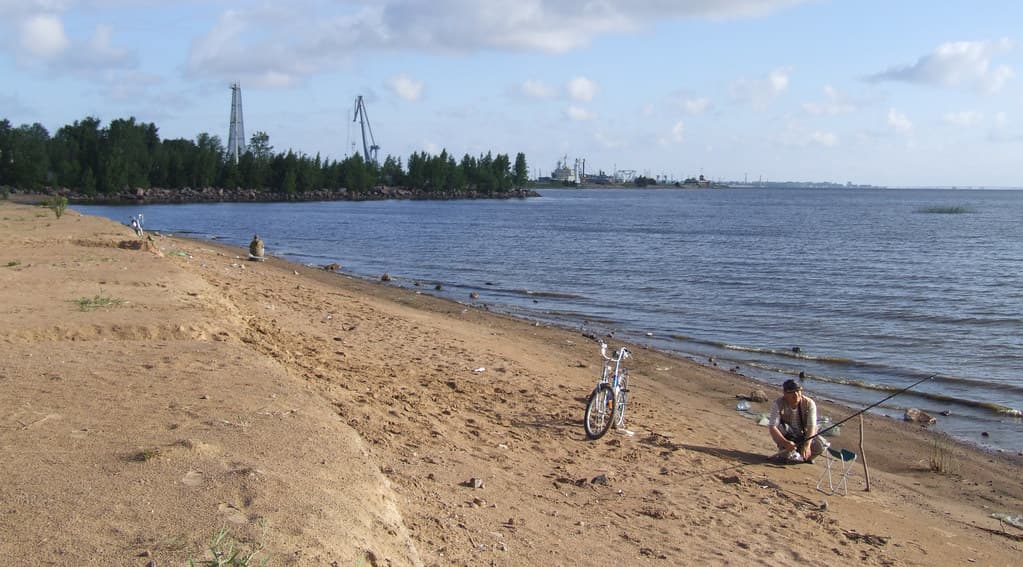
Bronka Shore Beach presents a fascinating juxtaposition of urban development and natural coastline. Situated on the southern Gulf Coast, this sandy beach offers a unique perspective on the region, where the distant hum of industry blends with the calming sounds of the sea. It's a place that challenges expectations, providing a tranquil escape within reach of the city. The sand here is soft and inviting, perfect for a leisurely stroll or a moment of quiet contemplation. While not a traditional 'paradise' beach, its distinct character offers a different kind of beauty. The views across the Gulf are expansive, often featuring ships on the horizon, adding an intriguing maritime element to the landscape. Bronka Shore Beach is ideal for those seeking an unconventional beach experience, a place where you can observe the interplay between human activity and natural elements. It's a testament to the diverse beauty of the Leningrad Oblast coastline, proving that even near urban centers, serene sandy stretches can be found, offering a refreshing break from the everyday.
Places, rentals, tours and events within walking and driving distance of Bronka Shore Beach.
Photos
Bronka Shore Beach requires caution for swimmers due to its location in an increasingly industrialized coastal area. Water quality may be affected by port development and urban runoff, so checking local water quality reports before swimming is advisable. The sandy bottom provides decent footing, but the beach's proximity to shipping routes means boat traffic can be present. There are no lifeguards, and the area is relatively isolated despite being near development. Swimming is generally not recommended here compared to more pristine beaches further from urban and industrial zones.
Visiting during weekdays in late spring or early autumn offers the most peaceful experience with fewer visitors and moderate weather. Summer months (June-August) provide the warmest conditions but may see increased industrial activity nearby. Early mornings typically offer the quietest periods for contemplative walks along the shore. This beach is better suited for off-season exploration, beachcombing, or coastal photography rather than peak-season swimming and sunbathing. The shoulder seasons of May and September can provide pleasant weather while avoiding both crowds and the busiest industrial periods.
Bronka Shore Beach is located in the Lomonosovsky District, relatively close to St. Petersburg—approximately 30-40 kilometers from the city center. By car, head west from St. Petersburg toward Lomonosov, then continue to Bronka; the journey typically takes 45 minutes to 1.5 hours depending on traffic. Some public buses serve the general area, though direct beach access may require walking. Be aware that the area has seen significant port and industrial development, so navigating to public beach access points may require local knowledge or GPS guidance.
Bronka Shore Beach has minimal to no dedicated beach facilities, reflecting its character as a hidden, edge-of-development coastal area rather than a resort destination. No restaurants, cafés, or beach services operate directly at the shore. Visitors should bring all necessary supplies including food, water, and sun protection. The nearby settlement of Bronka may have small shops for basic items. For proper meals and amenities, plan to travel back toward Lomonosov or St. Petersburg. This beach is best approached as a self-sufficient excursion requiring advance preparation.
Bronka's 'edge coastline' designation reflects its position at the frontier between natural coastal environments and expanding urban-industrial development. The beach sits near the growing Bronka port complex, one of Russia's major new container terminals. This creates a unique, sometimes stark juxtaposition of natural shoreline and modern infrastructure. While this diminishes traditional beach appeal, it offers insight into coastal transformation and can be interesting for those studying urban geography or industrial development. The beach represents transitional coastal space, neither fully natural nor completely urbanized.