
Counting the waves…
Counting the waves…

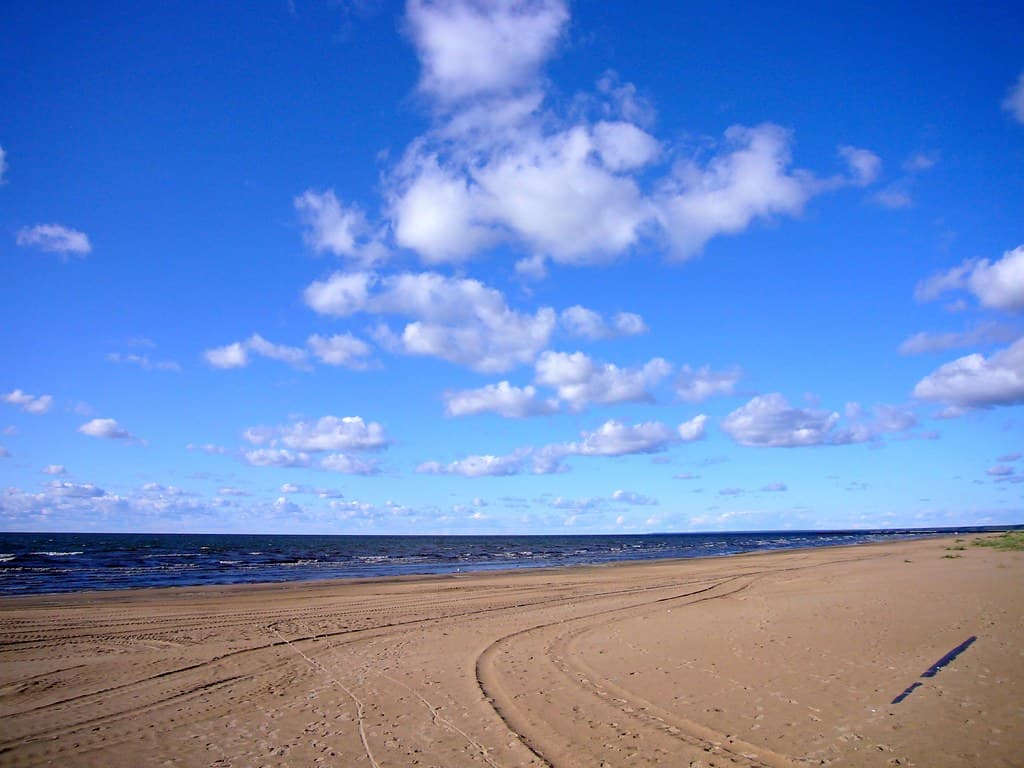
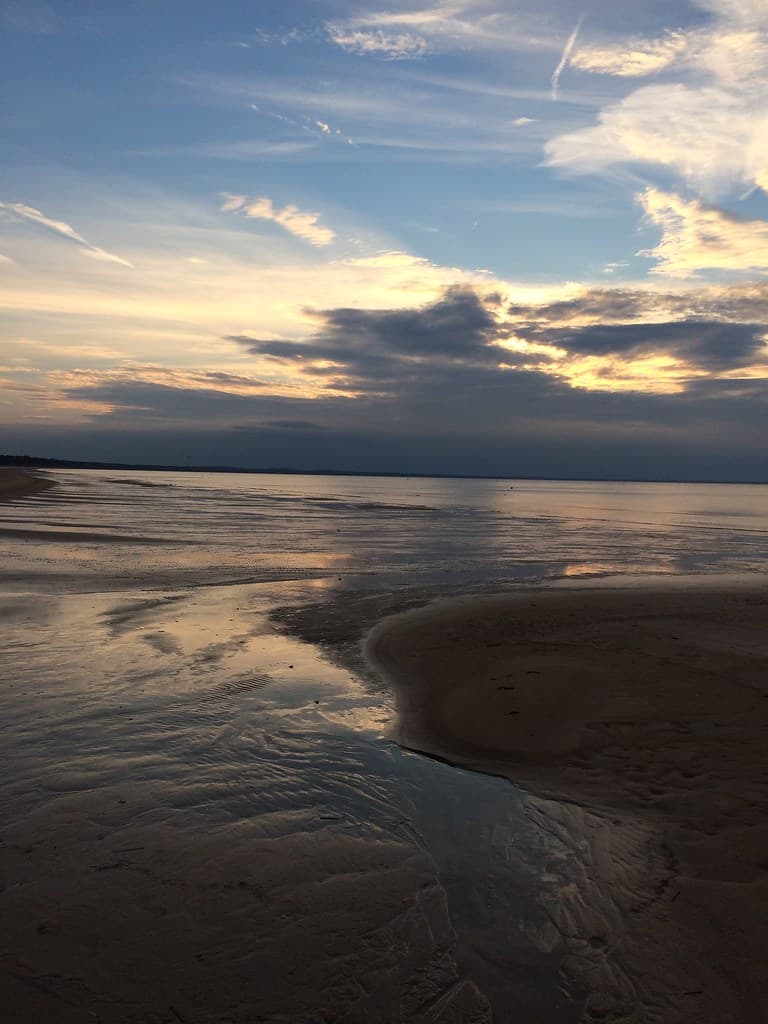
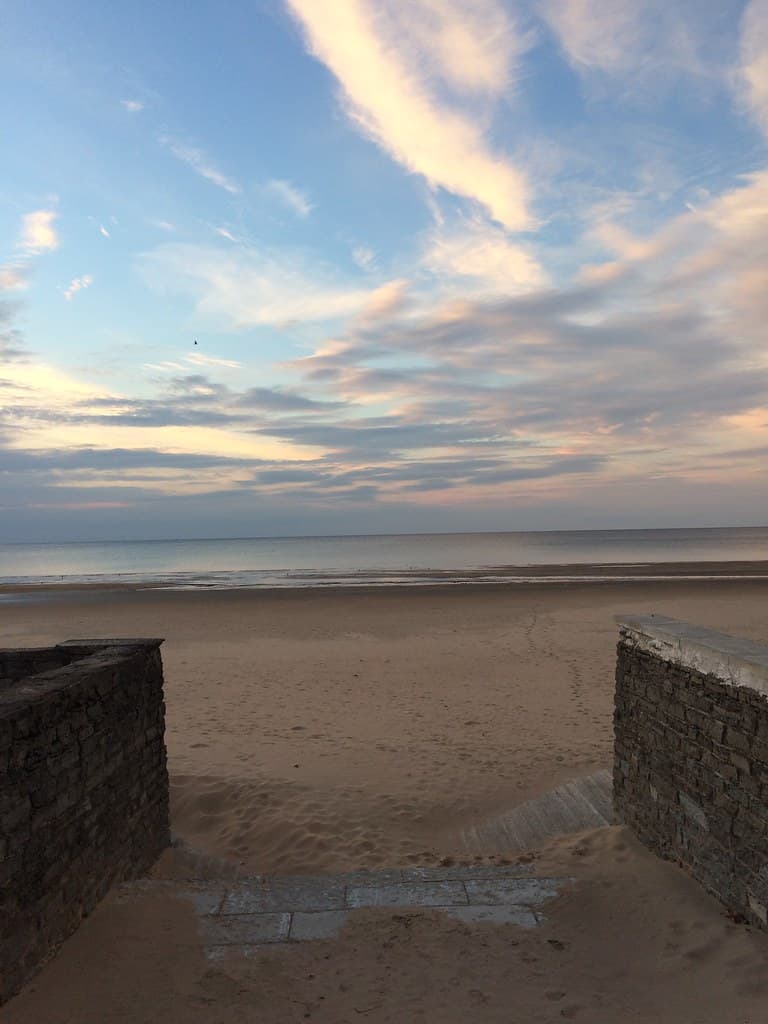
Tucked away on the Russian side of the Narva River mouth, this sandy beach in Ivangorod offers a truly unique coastal experience. It's a place where the fresh waters of the river mingle with the brackish embrace of the Baltic Sea, creating a distinct ecosystem. The sand here is soft and inviting, a gentle contrast to the historical fortifications that dot the landscape. What makes this beach particularly compelling is its location directly opposite the Estonian city of Narva, with its own impressive castle. As you relax on the sand, you're gazing across a narrow stretch of water at another country, a silent testament to centuries of shared and separate histories. This borderland setting imbues the beach with a quiet, contemplative atmosphere, far removed from typical bustling resorts. Visitors come here not just for the sand and water, but for the sense of place. It's an ideal spot for those seeking solitude, a quiet picnic, or simply to observe the subtle interplay of nature and geopolitics. The air is crisp, often carrying the scent of pine from nearby forests, and the gentle lapping of the water provides a soothing soundtrack to this historically rich, yet peaceful, shoreline.
Places, rentals, tours and events within walking and driving distance of Narva River Mouth Russian Shore.
Photos
Swimming conditions at the Narva River mouth can be unpredictable. This is where the Narva River meets the Gulf of Finland, creating currents that vary with tides and river flow. Water quality may be affected by river discharge. The beach is remote with limited or no lifeguard presence, so swimmers should be cautious and experienced. The area's proximity to the Estonian border means border guards patrol regularly; always carry identification. Check local conditions before swimming, as currents can be stronger than they appear. Supervise children closely and avoid swimming alone in this isolated location.
This beach is naturally uncrowded year-round due to its remote border location. The warmest weather for beach visits is from June through August, though even then expect few visitors compared to southern resorts. The water remains quite cold, typically 15-18°C even in summer. Late spring (May) and early autumn (September) offer peaceful coastal walks with minimal tourists. Winter visits are possible for scenic photography and solitude, but prepare for harsh Baltic weather. Weekdays are quieter than weekends when some locals may visit. The isolation is the beach's main appeal, so any time offers a crowd-free experience.
Reaching this beach requires planning due to its border location. Ivangorod is accessible from St. Petersburg (about 150 kilometers) by car or bus, typically taking 2-3 hours. Once in Ivangorod, you'll need local transportation or a vehicle to reach the river mouth area along the coast. Note that this is a sensitive border zone with Estonia; foreigners may face restrictions and should verify current regulations. Russian citizens should carry passports or internal documents. Some areas may be restricted or require permits. Public transportation is limited, so a private vehicle or taxi is most practical.
This remote beach has minimal on-site facilities. The small town of Ivangorod, several kilometers away, offers basic accommodation including a few small hotels and guesthouses, though options are limited compared to tourist centers. Restaurants and cafes in Ivangorod serve Russian cuisine and basic meals. Visitors should plan to bring food and water to the beach, as there are no vendors or services at the shore itself. For more extensive accommodation and dining choices, the larger Estonian city of Narva lies across the river, though crossing requires appropriate documentation and border formalities.
This beach's defining feature is its location at an international border where the Narva River enters the Gulf of Finland. The Estonian shore is visible across the water, and Ivangorod Fortress stands dramatically nearby opposite Narva Castle. The setting offers a unique blend of natural beauty and geopolitical significance. The beach provides exceptional solitude and scenic views uncommon in more accessible areas. Birdwatching opportunities are excellent during migration seasons. The historical context, border atmosphere, and untouched nature create an experience completely different from typical resort beaches, appealing to those seeking isolation and distinctive coastal landscapes.