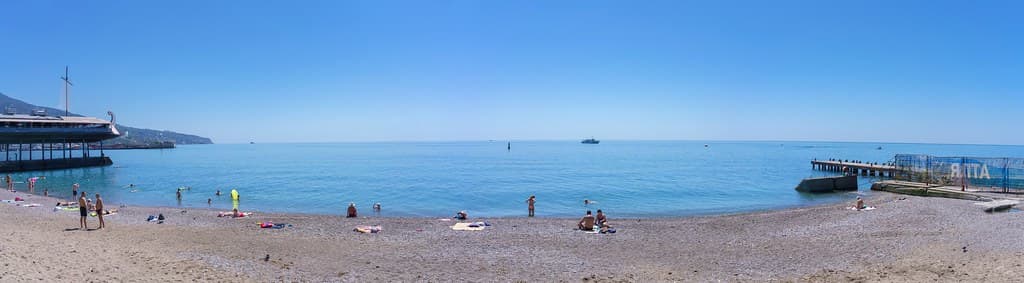
Counting the wavesβ¦
Pushkin Grotto Beach is more than just a picturesque cove; it's a place where history and nature intertwine. Tucked away near Gurzuf, this rocky inlet is famously associated with the great Russian poet Alexander Pushkin, who is said to have found inspiration within its dramatic grottoes. The shoreline is a rugged mix of smooth stones and ancient rock formations, creating a wild, untamed beauty. The water here is a captivating emerald green, clear and inviting for a swim. Exploring the grotto itself, either by swimming or carefully navigating the rocks, offers a tangible connection to the past. The cool, shaded interior of the grotto provides a unique sensory experience, a natural cathedral carved by the sea over millennia. Beyond its historical ties, the cove offers a peaceful escape. The sounds of the sea echoing within the grotto, combined with the stunning visual landscape, create an atmosphere of profound tranquility and wonder. Pushkin Grotto Beach is a must-visit for those who appreciate both natural splendor and the echoes of literary greatness.
Places, rentals, tours and events within walking and driving distance of Pushkin Grotto Beach.
Photos
Pushkin Grotto Beach is a rocky cove where swimming is possible but requires caution due to the uneven, rocky bottom and natural formations. The water depth can change suddenly near the rocks, so swimmers should be confident in their abilities. The grotto itself creates interesting water dynamics that can be appealing for exploration but may have unpredictable currents. Always wear water shoes for foot protection on the rocky surfaces. Check weather conditions before swimming, as waves can make entry and exit challenging. The secluded nature means no lifeguards are present, so swim at your own risk and never alone.
The best time to visit Pushkin Grotto Beach is during the summer months from June to September when temperatures are warm and the Black Sea is most inviting for swimming. Early morning visits offer the best lighting for photography of the grotto and calmer water conditions for snorkeling. To avoid crowds and enjoy the hidden nature of this cove, weekdays are preferable to weekends. Late May and early September provide pleasant weather with fewer visitors. The shoulder seasons allow for peaceful exploration of the historic grotto while still maintaining comfortable conditions for those wanting to swim or snorkel in the clear waters.
Pushkin Grotto Beach is located along the Gurzuf coastline and typically requires walking along coastal paths or accessing by boat. From central Gurzuf, you may need to follow trails that lead down to the shore, which can involve stairs or rocky terrain. The hidden nature of this cove means access isn't always clearly marked. Some visitors choose to rent kayaks or join boat tours that stop at the grotto, which can be easier than overland access. If walking, wear sturdy shoes and be prepared for uneven surfaces. Local residents or your accommodation can provide specific directions to the access points.
Pushkin Grotto Beach is a natural, undeveloped rocky cove without any on-site facilities, food vendors, or amenities. Visitors must bring all necessary supplies including water, snacks, sun protection, and any equipment they need. The town of Gurzuf, located nearby, offers a full range of accommodations from budget guesthouses to comfortable hotels, along with restaurants, cafes, and grocery stores for provisioning. Most travelers base themselves in Gurzuf and visit the grotto as a day trip. Given the remote nature of the beach, plan to be self-sufficient and pack out all trash to preserve the area's natural beauty.
Pushkin Grotto Beach is named after Alexander Pushkin, Russia's most celebrated poet, who visited the Crimean coast in the 1820s. Local tradition holds that Pushkin was inspired by this coastal area during his southern exile, and the grotto became associated with his romantic poetry about the Black Sea. While the exact historical details may be part legend, the connection to Pushkin adds cultural significance to the natural beauty of the cove. The grotto itself is a natural rock formation that has been a landmark for generations. This combination of literary heritage and scenic coastal features makes it a meaningful destination for those interested in Russian cultural history.