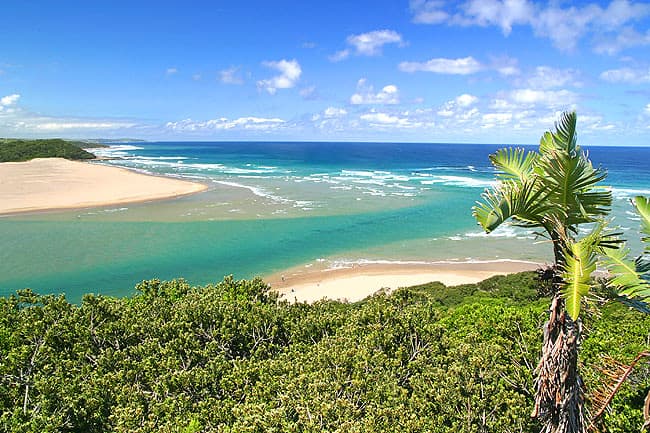
Counting the wavesβ¦

Haga Haga Beach is a jewel of the Eastern Cape, a secluded cove that feels like a secret whispered among locals. Here, the coastline is sculpted into a series of intimate bays and rocky outcrops, creating a natural playground for both marine life and curious visitors. At low tide, the rock pools become vibrant microcosms, teeming with anemones, starfish, and tiny crabs, inviting hours of exploration and discovery. The village itself exudes a laid-back charm, a place where time seems to slow down. The beach reflects this unhurried pace, offering a serene backdrop for relaxation. The sand is soft, the water often calm within the coves, making it ideal for gentle swims or simply wading in the shallows. The dramatic cliffs that frame the beach add to its picturesque appeal, creating a sense of enclosure and intimacy. As evening approaches, Haga Haga truly shines. The sunsets here are legendary, painting the sky in fiery oranges and soft purples that reflect on the water's surface. Itβs a moment of collective awe, whether youβre sharing it with family or enjoying a quiet moment of introspection. This beach isn't just a stretch of sand; it's an experience, a gentle embrace of coastal village life and natural wonder.
Places, rentals, tours and events within walking and driving distance of Haga Haga Beach.
Photos
Haga Haga Beach offers safe swimming in its sheltered coves, particularly during calm weather and at low tide when the rock pools are accessible. The cove structure provides natural protection from strong currents, making it suitable for families with children. However, there are no lifeguards, so supervision is essential. The rock pools are a highlight for exploration but require careful footing on slippery rocks. Be aware of incoming tides when exploring pools to avoid getting cut off. The beach's varied topography means conditions differ between sections, so assess each area before entering the water.
Haga Haga Beach is best visited from November to March during South Africa's summer season when temperatures are ideal for beach activities and rock pool exploration. December through February offers the warmest weather and ocean temperatures. For spectacular sunsets over the coves, visit during late afternoon year-round. Low tide periods are optimal for exploring the famous rock pools, so check tide times before your visit. For quieter experiences, weekdays and shoulder months of October-November or March-April provide pleasant weather with fewer visitors. The beach offers year-round scenic appeal for walking and photography.
Haga Haga is located approximately 80 kilometers north of East London. Take the N2 highway north, then turn off at the signposted Haga Haga junction and follow the road to the coast. The journey takes about 70-90 minutes depending on road conditions. A private vehicle is essential as no public transportation serves this small coastal village. The access road includes sections of gravel that are generally suitable for standard vehicles in good weather. Once in the village, the beach and coves are easily accessible on foot from local accommodation.
Haga Haga offers a small selection of accommodation including the Haga Haga Hotel, self-catering cottages, holiday homes, and guesthouses catering to families and couples. The Haga Haga Hotel provides restaurant dining with home-style meals and coastal views, serving breakfast, lunch, and dinner. Other dining options are limited, with most visitors opting for self-catering in cottages and holiday homes. A small shop may stock basic supplies, but visitors should bring provisions from larger towns. The village maintains a quiet, retreat-like atmosphere focused on natural beauty rather than extensive tourist facilities.
Haga Haga Beach is renowned for its distinctive cove structure and extensive tidal rock pools that create natural aquariums teeming with marine life. At low tide, the pools reveal starfish, anemones, small fish, and crabs, making them fascinating for families and nature enthusiasts. The coves provide sheltered areas for safe swimming and create varied coastal scenery perfect for exploration. This geological feature distinguishes Haga Haga from typical straight beaches, offering multiple small beaches within one location. The combination of coves and pools creates excellent opportunities for coastal photography, tide pooling, and observing marine ecosystems in their natural habitat.