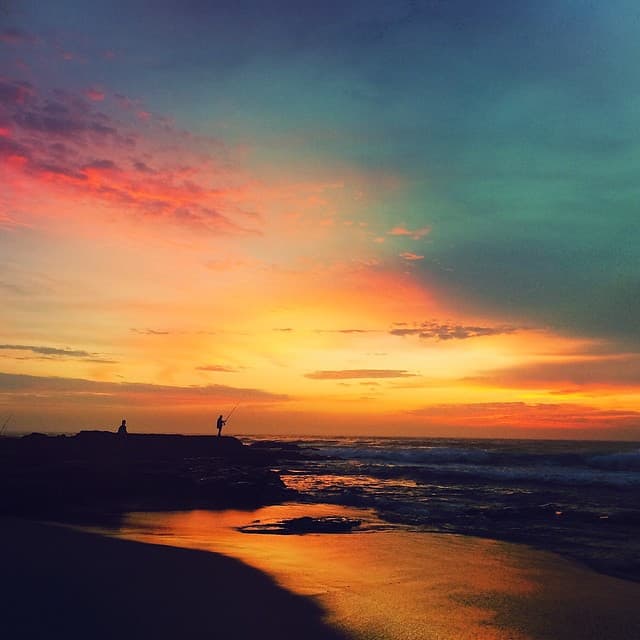
Counting the wavesβ¦

Tucked away on the south metro coastline, Umgababa Beach is a delightful discovery for those seeking a more authentic and less crowded South African beach experience. This isn't a glitzy resort destination; instead, it's a beloved local holiday spot, imbued with a warm, community spirit. Imagine soft, golden sands stretching out, inviting you to kick off your shoes and simply relax under the wide African sky. The beach itself is a canvas of gentle activity. Families gather for picnics, children splash in the warm, inviting waters, and the air hums with the relaxed chatter of holidaymakers. The waves here are typically calm, making it an excellent spot for swimming and safe play for younger visitors. You'll find a genuine sense of camaraderie, a reflection of the local families who cherish this coastal haven. Umgababa offers a chance to step away from the well-trodden tourist paths and immerse yourself in a more understated coastal charm. Itβs a place where the simple pleasures of sun, sand, and sea are celebrated without pretension. For those looking to experience a quieter side of the KwaZulu-Natal coast, with a strong sense of local identity, Umgababa Beach provides a welcoming and memorable escape.
Places, rentals, tours and events within walking and driving distance of Umgababa Beach.
Photos
Umgababa Beach is part of the KwaZulu-Natal coastline where swimming conditions vary with weather, tides, and currents. Shark protection measures typical of this coast may be present during summer months. The beach serves mainly local holiday users rather than mass tourism, so lifeguard services may be limited or seasonal. Always assess conditions before entering the water, watch for warning signs, and avoid swimming alone or during rough seas. As with all South African beaches, avoid swimming at dawn or dusk, and be mindful of rip currents. Local knowledge is valuable for understanding safe swimming areas.
The best weather for visiting Umgababa Beach occurs during KwaZulu-Natal's warm, dry months from May through September, offering comfortable temperatures and lower humidity. Summer (December-March) brings hot weather ideal for beach activities but also increased humidity and occasional afternoon thunderstorms. For budget travel with fewer crowds, shoulder seasons of April-May and September-October provide good weather at better rates. The beach sees heaviest use during South African school holidays, particularly December. Being less developed than major resort towns, Umgababa maintains a quieter atmosphere even during busier periods.
Umgababa Beach is located approximately 35-40 kilometres south of Durban along the South Coast. The most practical access is by private vehicle: take the N2 highway southbound and exit at the Umgababa/Isipingo turnoff, then follow local roads toward the coast. The journey typically takes 35-50 minutes depending on traffic. Public transport options are limited to minibus taxis serving local communities, which require familiarity with the system. The beach area is residential rather than tourist-focused, so clear signposting may be limited. GPS navigation is recommended for first-time visitors.
Umgababa is a small coastal community with limited commercial tourist infrastructure. Accommodation typically consists of local guesthouses, self-catering cottages, or holiday homes rented privately rather than large hotels or resorts. Dining options are modest, with small local shops and possibly informal eateries serving the community. Visitors often self-cater or travel to nearby towns for restaurant meals and supplies. The larger centres of Amanzimtoti to the north or Scottburgh to the south offer more comprehensive shopping, dining, and accommodation choices. Planning ahead and bringing provisions is advisable for extended stays.
Umgababa Beach represents an authentic, off-the-tourist-trail South Coast experience, primarily serving local residents and domestic holidaymakers rather than international visitors. It lacks the commercial development, resort atmosphere, and tourist facilities of places like Margate or Amanzimtoti. This quieter, more residential character appeals to those seeking genuine local beach culture without crowds or commercialization. The beach maintains traditional patterns of South African family holiday use. Its relative obscurity despite proximity to Durban makes it valuable for travellers wanting to experience coastal KwaZulu-Natal beyond the well-known resort towns.