
Counting the wavesβ¦

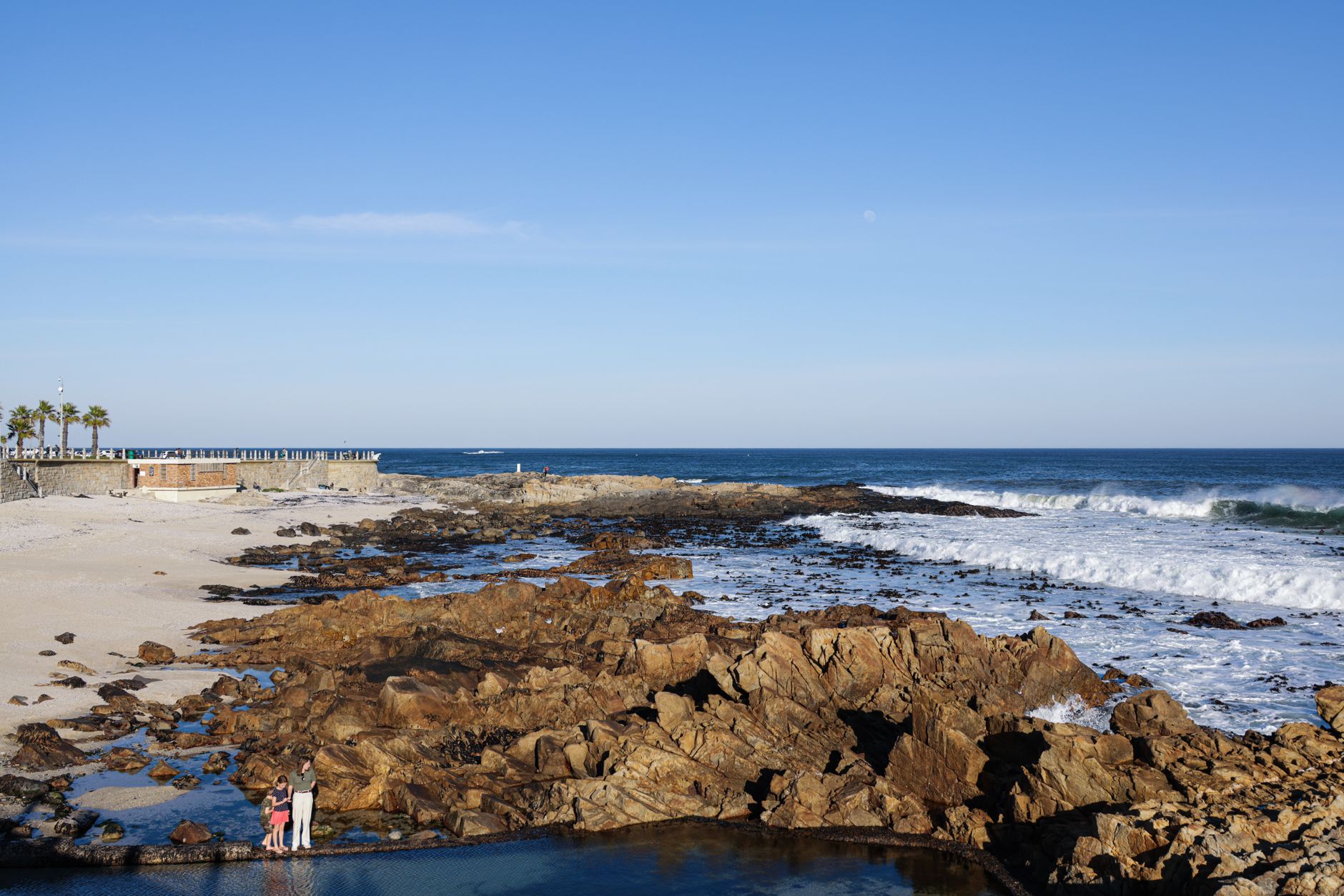
Spoegrivier Mouth Beach marks a significant point along the wild Hondeklip-to-Groenrivier coast, where the freshwater of the Spoeg River gently merges with the powerful Atlantic. This remote sandy beach is a testament to the untamed beauty of the Namaqua region, offering vast stretches of golden sand that invite long, uninterrupted walks. The air here is clean and invigorating, carrying the distinct scent of salt and the subtle aroma of coastal fynbos. The unique confluence of river and ocean creates a rich habitat, attracting a variety of birdlife and offering a different kind of coastal experience. While not a bustling tourist spot, its isolation is precisely its charm. You can spend hours exploring the shoreline, searching for unique shells, or simply sitting in quiet contemplation as the river's gentle flow meets the ocean's mighty roar. As dusk settles, Spoegrivier Mouth Beach transforms into a canvas of spectacular colors. The wide-open horizon provides an unobstructed view of the sunset, painting the sky in fiery hues that reflect on the wet sand. Itβs a profound experience, a moment of pure connection with nature that underscores the raw, unblemished beauty of this remote Northern Cape treasure. This beach is for the explorer, the quiet observer, and anyone yearning for true wilderness.
Places, rentals, tours and events within walking and driving distance of Spoegrivier Mouth Beach.
Photos
Swimming conditions at Spoegrivier Mouth Beach are challenging and generally not recommended for casual swimmers. The Atlantic Ocean here is cold year-round, strong currents are common at river mouths, and there are no lifeguards or safety services. The remote location means help is far away in emergencies. The beach is better suited for walking, photography, and coastal exploration. Always observe ocean conditions carefully, never swim alone, and keep a safe distance from the water's edge if you're unfamiliar with the area.
The best time to visit is during South Africa's autumn and spring months (March-May and September-November) when temperatures are moderate and winds tend to be calmer. Summer can be extremely hot and windy, while winter brings cooler temperatures but clearer skies. The beach is least crowded year-round due to its remote location. For wildflower enthusiasts, late winter to early spring (August-September) offers the chance to see the famous Namaqualand blooms in the surrounding region, though timing varies with rainfall.
Reaching Spoegrivier Mouth Beach requires a long drive on gravel roads along the Northern Cape coast. From Springbok, head west toward the coast, then follow coastal routes north or south depending on your starting point. A high-clearance vehicle is recommended, though 4x4 is not always essential in dry conditions. The nearest towns with services are Hondeklip Bay and Kleinsee. Ensure you have a full tank of fuel, spare tire, plenty of water, and provisions before departing, as the area is extremely remote with no facilities.
Food and accommodation options near Spoegrivier Mouth Beach are extremely limited due to the remote location. The nearest services are in Hondeklip Bay, roughly 30-50 kilometers away, which offers basic guesthouses and limited supplies. Most visitors camp wild along the coast (check regulations) or stay in nearby towns like Kleinsee before day-tripping to the beach. Bring all food, water, and camping equipment with you. Self-sufficiency is essential in this region, as there are no shops, restaurants, or formal campsites at the beach itself.
Spoegrivier Mouth Beach stands out for its position at the river-ocean confluence, creating a unique landscape where freshwater meets the Atlantic. The beach forms part of the wild, undeveloped Hondeklip-to-Groenrivier coastal corridor, offering exceptional solitude and pristine wilderness. The area is valued for its raw natural beauty, dramatic sunsets over the ocean, and opportunities to experience one of South Africa's most remote coastlines. Birdwatching can be rewarding at the river mouth, and the sense of isolation here is profound, appealing to adventurous travelers seeking authentic wilderness experiences.