Counting the waves…
Counting the waves…
A refined fusion of water purity, environmental stability, and communal vibrancy for Queens Beach.
View MethodologyAnalyzed via live sensors and environmental data.
Wave height, wind, and atmospheric stability.
Live footfall and crowd balance metrics.
Community reviews and curated sentiment.
“Discover Queens Beach, a discreet rocky stretch often overlooked, yet offering some of the most spectacular sunset views in Bantry Bay. Tucked beneath the promenade, this intimate spot provides a quiet escape with the…”
Higher weekend density may affect water purity and crowd scores temporarily.
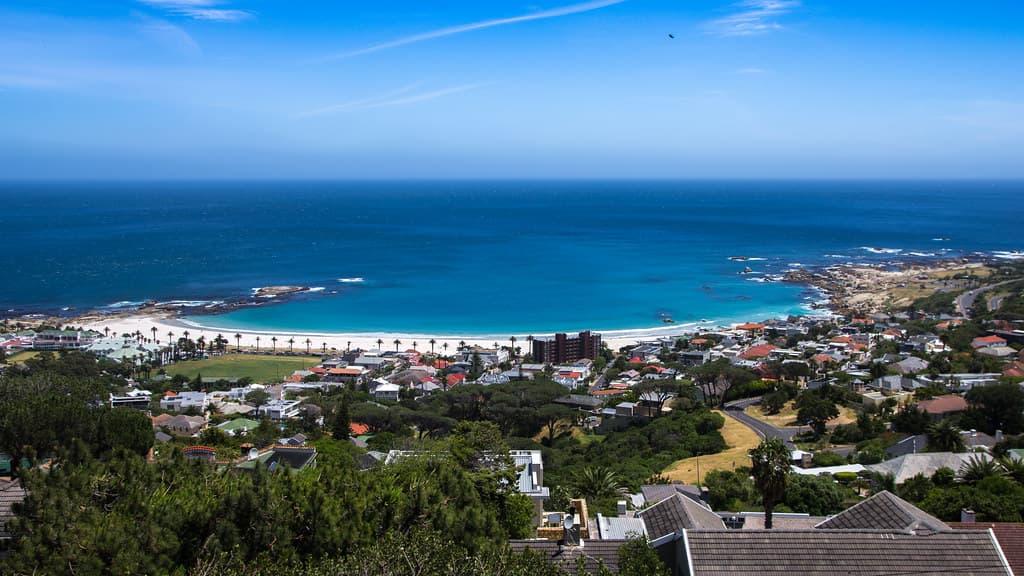
Queens Beach is a testament to the Cape's ability to surprise, even in its most urbanized stretches. Nestled discreetly below the bustling promenade of Bantry Bay, this small, rocky beach is often missed by those focused on the tidal pools and grander vistas nearby. Yet, for those in the know, it offers a surprisingly intimate and dramatic encounter with the Atlantic, a perfect antidote to the city's pace.
The beach itself is a mosaic of smooth, dark rocks and small pockets of sand, sculpted by the relentless ocean. The air here is invigorating, carrying the scent of salt and kelp, and the sound of waves crashing against the rocks is a constant, soothing rhythm. While not a swimming beach in the traditional sense, the rock pools invite exploration, revealing miniature ecosystems teeming with tiny crabs and anemones.
 Credit: Unsplash
Rocky coastline with lush green forest and blue sky
 Credit: Unsplash
Sandy beach at low tide under a vast, cloudy sky
Spectacular ocean views
Quiet relaxation
Coastal walk
Prime Visitation
Best Weather|Less Crowds
Where it is
Queens Beach
Bantry Bay, Western Cape, South Africa
-33.920900°, 18.379300°
Weather
Loading…
Swell
—
Temp
Warm · Restorative
UV Index
Moderate
Wind
—
Tidal State
Last known
Max Sunlight
—
Ideal Shade
—
Jan - Dec (Peak)
Mar - Nov (Off-season)
Best Weather|Less Crowds
Select a category to load nearby places.
Unlock restaurants, luxury stays and curated maritime experiences within 2km
Queens Beach is a small, rocky Atlantic beach where swimming conditions vary significantly. The water is typically cold year-round (12-18°C) and can have strong currents and surge, especially during high tide or when swells are up. The rocky entry points require careful navigation, and the beach is quite exposed to Atlantic conditions. It's generally safer during calm summer days and at mid to low tide. Always check conditions before entering the water, avoid swimming alone, and be mindful of submerged rocks. The nearby Sea Point tidal pools offer a safer alternative for swimming in the area.
The optimal time to visit Queens Beach is during summer months (November to March) when weather is warmest and the Atlantic is calmest, though water remains cool. Late afternoon and early evening are particularly popular for sunset viewing, as the beach faces northwest and offers beautiful ocean vistas. For fewer crowds, visit on weekday mornings. Winter months (June-August) can be dramatic with large swells and powerful waves, but swimming is generally inadvisable. Spring (September-October) offers a good balance of pleasant weather and quieter conditions before the peak summer tourist season begins.
Queens Beach is located along the Sea Point Promenade between Bantry Bay and Clifton. Access is via a stairway from the popular coastal promenade walkway—look for steps leading down toward the ocean between the main tidal pool areas. The beach is easy to miss if you're not looking for it, as it sits below the promenade level. Street parking is available along Victoria Road or Beach Road, though spaces can be limited. Alternatively, park near Sea Point Pavilion and walk along the promenade. The beach is within walking distance of several Atlantic Seaboard suburbs and accessible by MyCiTi bus along the coastal route.
Queens Beach is surrounded by excellent dining and accommodation options in Bantry Bay, Sea Point, and nearby Clifton. The Sea Point Promenade area features numerous cafes, restaurants, and takeaway spots within a short walk. Bantry Bay itself has luxury apartments and boutique hotels with ocean views. Sea Point offers everything from budget-friendly guesthouses to upscale hotels, plus a wide variety of restaurants serving international cuisine. The nearby Mouille Point and Green Point areas provide additional options. Most amenities are within 5-15 minutes' walk. No facilities exist directly on the beach, so bring your own refreshments.
Queens Beach remains relatively unknown despite its prime Atlantic Seaboard location because it's tucked below the Sea Point Promenade and overshadowed by the popular tidal pools and nearby Clifton beaches. Many locals and tourists walk past without realizing it exists. The small, rocky beach offers a more intimate and less crowded alternative to the famous Four Beaches of Clifton, with similarly stunning ocean views and sunset vistas. Its compact size and rocky character attract those seeking a quieter coastal experience. The beach appeals particularly to locals who appreciate having a peaceful spot so close to the city center.
Photos