
Counting the wavesβ¦

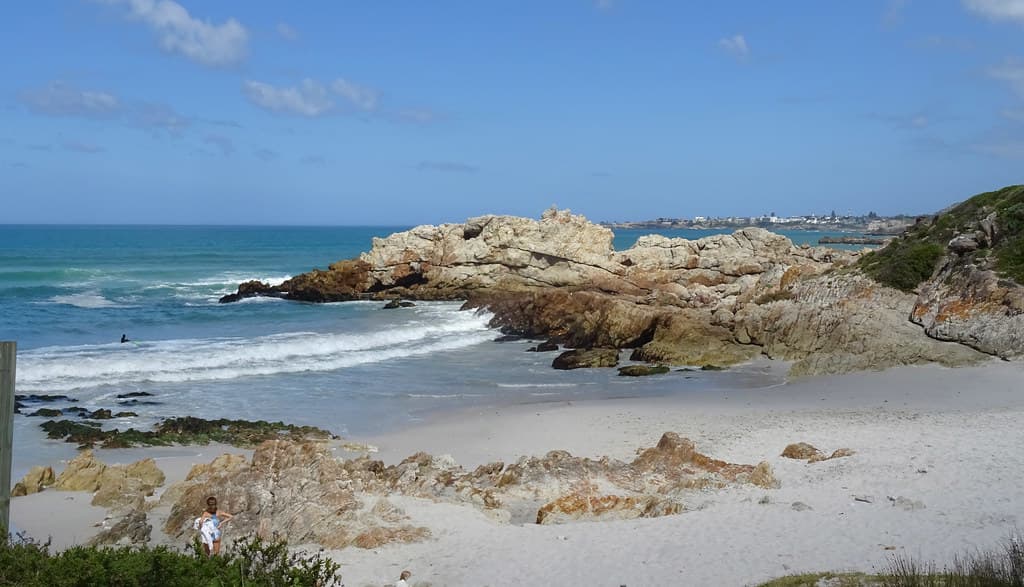
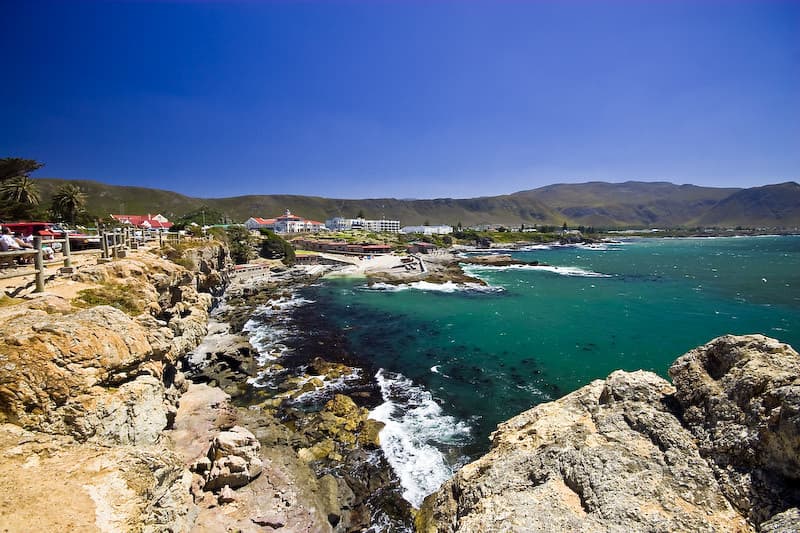
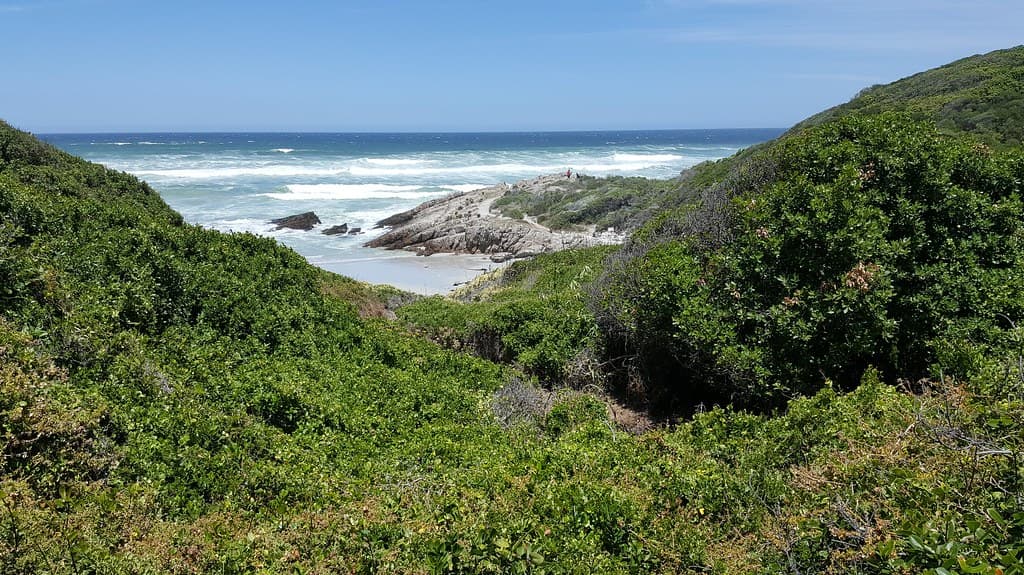
Tucked away in the residential embrace of Sandbaai, this beach offers a refreshing counterpoint to the more frequented shores of the Western Cape. You'll find yourself drawn to the intricate tapestry of tidal pools, each a miniature aquarium brimming with anemones, starfish, and scuttling crabs. The exposed rock formations, sculpted by millennia of ocean spray, provide natural perches for observing the horizon or simply feeling the sun on your skin. This isn't a beach for boisterous crowds; instead, it's a sanctuary for those seeking a deeper connection with the coastal environment. The air carries the scent of salt and fynbos, a gentle reminder of the unique South African landscape. As the sun dips below the Atlantic, the sky ignites in hues of orange and purple, casting a warm glow over the rugged terrain, an unforgettable spectacle best shared in quiet company. Sandbaai Beach is a testament to the understated beauty of the Western Cape, a place where the raw power of the ocean meets the delicate dance of marine life. It's a destination that encourages exploration, from peering into the clear waters of a tidal pool to finding a secluded spot among the rocks, making it an ideal escape for families and nature enthusiasts alike.
Places, rentals, tours and events within walking and driving distance of Sandbaai Beach.
Photos
Sandbaai Beach is primarily a rocky beach better suited for exploring tidal pools rather than swimming. The rocky ledges and shallow pools make traditional swimming challenging and potentially hazardous. Snorkeling can be done in sheltered areas during calm conditions and low tide, when tidal pools reveal marine life. The beach lacks lifeguard services, so visitors must assess conditions independently. Families with children often prefer wading in the tidal pools rather than open-water swimming. Always wear reef shoes to protect feet from sharp rocks and sea urchins, and be mindful of tides and wave surges on the rocky platforms.
The best time to explore Sandbaai Beach's tidal pools is during low tide when the pools are fully accessible and marine life is most visible. Check local tide tables before visiting. Spring and summer months (September to March) offer warmer weather and water temperatures, making tidal pool exploration more comfortable. Early morning visits during weekdays mean fewer crowds and calmer conditions. The clearest pool visibility occurs after several days without storms. Shoulder seasons (April-May, September-October) provide pleasant weather with even fewer visitors, ideal for families wanting a quieter, educational beach experience in the residential Sandbaai area.
Sandbaai Beach is located in the residential village of Sandbaai, approximately 15 kilometers east of Hermanus along the R43 coastal route. From Hermanus, drive east through Onrus toward Stanford. The beach access points are found within the Sandbaai residential area, typically via Tenth Avenue or other streets leading to the coastline. Parking is available along residential streets near beach access points. From Cape Town, the journey takes approximately 100 minutes via the N2 and R43 (around 130 kilometers). Look for signs indicating beach access in this quiet neighborhood setting.
Sandbaai is a residential area with limited commercial development directly at the beach. A few self-catering holiday homes and guesthouses are available for rent in the neighborhood, offering a quieter alternative to Hermanus accommodations. For restaurants and more extensive dining options, visitors typically travel to nearby Hermanus (about 15 minutes) or the village of Onrus. Some visitors bring picnics to enjoy at the beach. Basic supplies can be purchased in Hermanus. The residential feel means fewer tourist facilities but a more authentic, local beach experience favored by those seeking tranquility and natural exploration.
Sandbaai Beach's tidal pools offer excellent opportunities for children and families to discover marine life in shallow, relatively protected environments. Common sightings include small fish, sea anemones, starfish, sea urchins, crabs, and various mollusks. The rocky ledges create multiple pools of varying depths and sizes, suitable for different ages. The educational value is significant, allowing children to observe ocean ecosystems up close. Parents should supervise children carefully on slippery rocks and teach respect for marine life by observing without removing creatures from pools. The quieter residential setting makes it less hectic than commercial beaches.