Counting the waves…
Counting the waves…
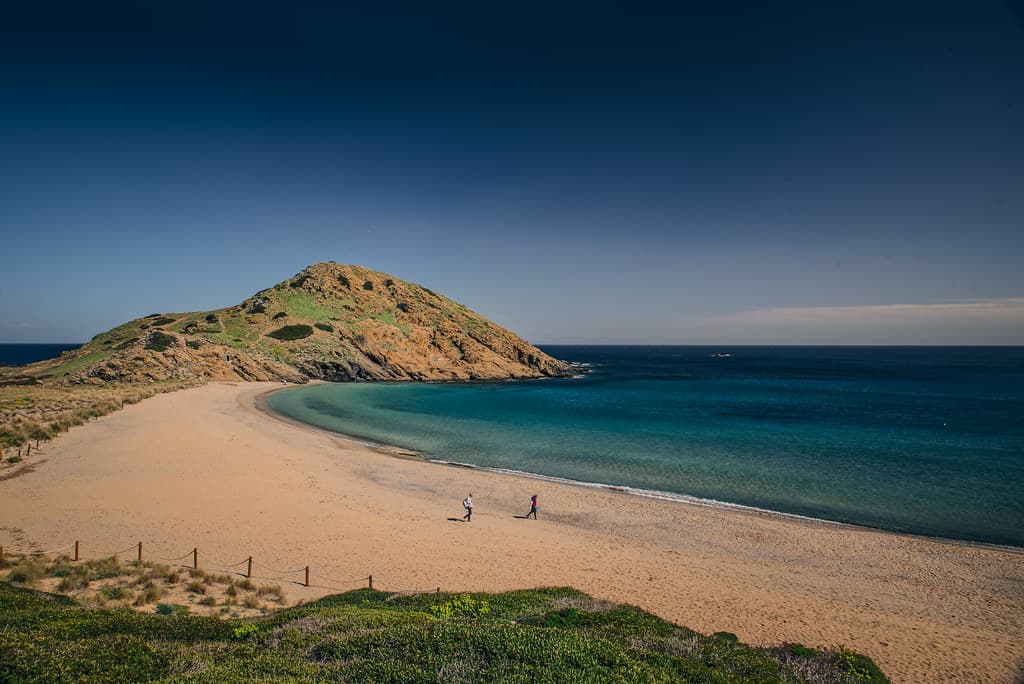
Embark on a journey to Cala Tortuga, a truly wild and remote bay in Menorca’s northeastern reaches, where the landscape feels ancient and untamed. The moment you glimpse its waters, you'll understand its allure: a breathtaking expanse of turquoise, so vivid it seems painted, gently lapping against a stretch of golden sand. The clarity is astounding, inviting you to plunge into its cool, refreshing embrace. Surrounded by the dramatic, lunar-like terrain of the Favàritx Natural Park and the S’Albufera des Grau, Cala Tortuga offers a stark, beautiful contrast. Low, wind-sculpted shrubs cling to the rocky outcrops, their resilience a testament to the island's elemental forces. You'll find no permanent structures here, just the raw, unadulterated beauty of Menorca, preserved for those willing to seek it out. Spend your day floating in the impossibly clear water, exploring the rocky edges with a snorkel, or simply basking in the sun's warmth. As the afternoon light softens, the bay takes on a magical glow, a photographer's dream. Cala Tortuga is more than just a beach; it’s an adventure, a communion with nature, and a reminder of the profound beauty that still exists in the world.
Places, rentals, tours and events within walking and driving distance of Cala Tortuga.
Photos
Cala Tortuga is generally safe for swimming, known for its clear, turquoise waters. As a remote, wild beach, there are no lifeguards, so swimmers should exercise caution and be aware of their own abilities. The bay offers some protection, but conditions can vary with the weather, particularly with strong north-east winds. It's advisable to check local forecasts before visiting and be mindful of any currents.
The best time to visit Cala Tortuga for fewer crowds and pleasant weather is typically during the shoulder seasons, such as late spring (May-June) or early autumn (September-October). During these periods, the temperatures are comfortable for swimming and sunbathing, and the main summer rush has not yet begun or has subsided. Visiting early in the morning on weekdays during peak season can also help avoid the busiest times.
Cala Tortuga is a remote beach within the Favàritx/S’Albufera des Grau area, meaning access typically involves a walk. Specific parking information can vary, but generally, you would park at a designated area and then follow a trail to the beach. Given its 'hidden bay' nature, the path might be unpaved and require suitable footwear. It's recommended to research the most current access routes and parking options before your visit.
As a remote and undeveloped beach, Cala Tortuga does not have any direct food vendors, restaurants, or lodging facilities. Visitors should plan to bring all necessary provisions, including water, snacks, and any other supplies for their day at the beach. For accommodation and dining, you would need to look towards nearby towns or areas, such as Maó, which offer a range of options.
Cala Tortuga stands out due to its remote location within the protected Favàritx/S’Albufera des Grau area, offering a truly wild and unspoiled experience. Its strong coverage against north-east winds can make it a good option when other beaches are too exposed. The stunning turquoise water and scenic surroundings, combined with its hidden nature, provide a sense of discovery and tranquility distinct from more accessible or developed beaches on the island.