
Counting the waves…
Counting the waves…

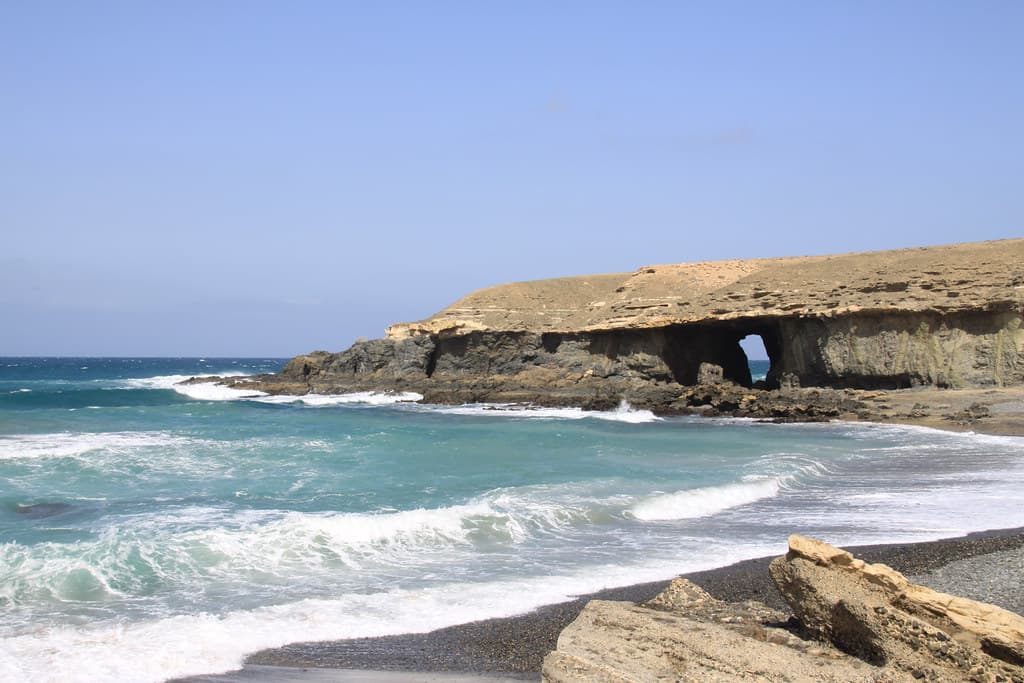
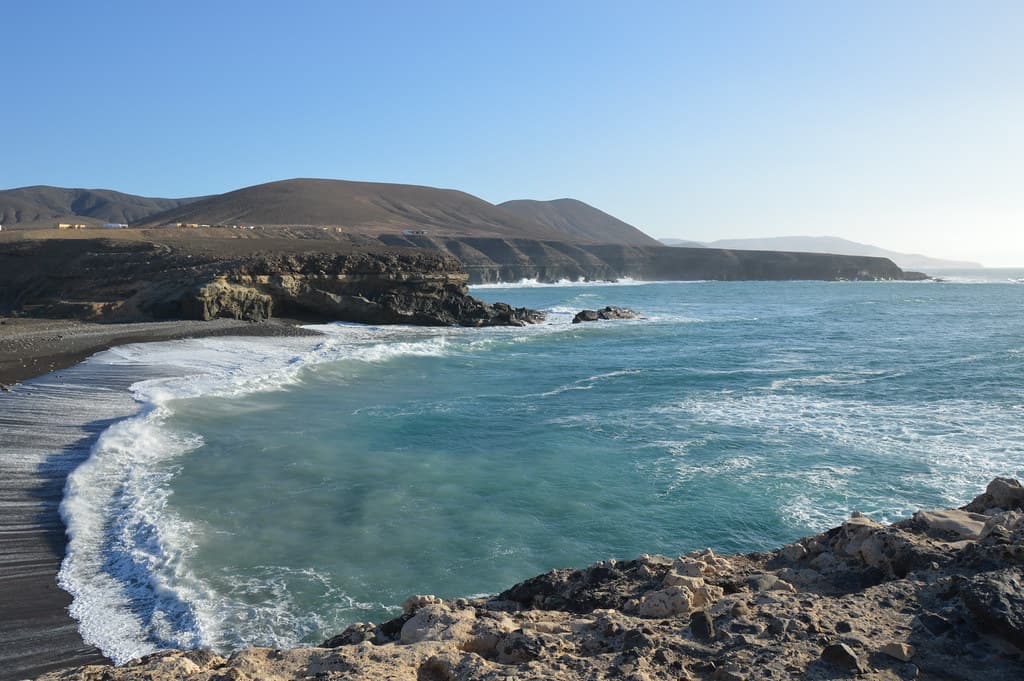
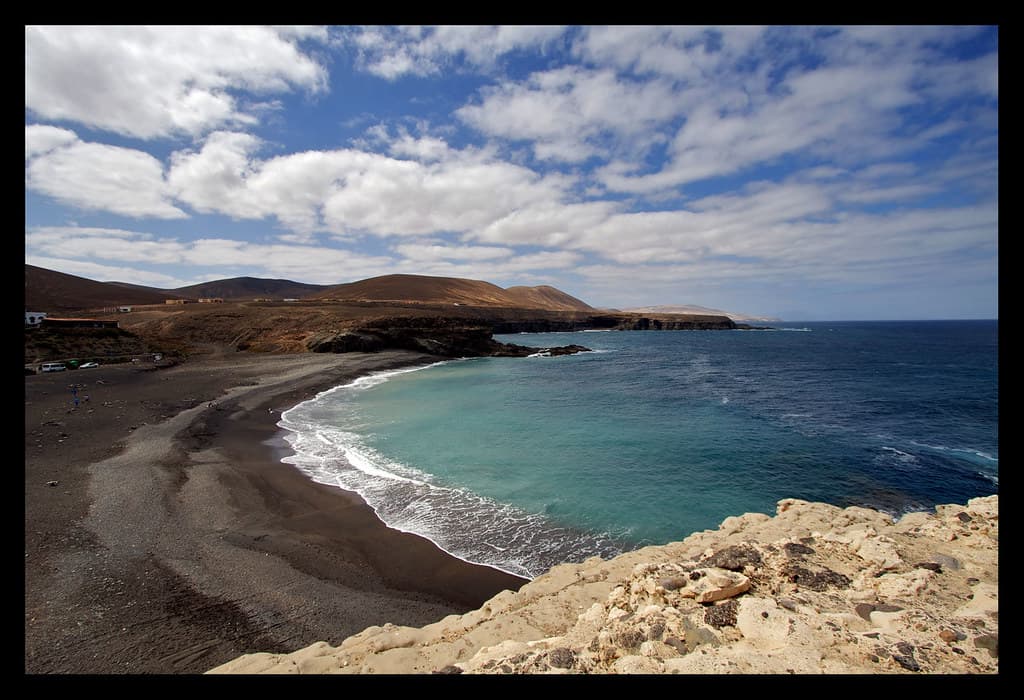
Playa de Garcey is more than just a beach; it's a dramatic canvas where Fuerteventura's raw beauty and maritime history converge. Located on the island's wild western coast, this remote bay gained notoriety as the final resting place of the colossal American Star ocean liner. While the wreck has now largely succumbed to the relentless Atlantic, its spirit lingers, adding a layer of poignant intrigue to the already stunning landscape. The journey to Garcey is an adventure in itself, typically involving a drive along unpaved roads that wind through a stark, beautiful landscape. As you approach, the vastness of the ocean and the rugged cliffs that frame the bay become apparent. The beach itself is a wide expanse of dark sand and pebbles, constantly reshaped by the powerful waves that crash onto the shore. This is a place for contemplation, for feeling the immense power of the ocean, and for appreciating the untamed beauty of Fuerteventura. The surf here can be significant, offering a thrilling spectacle for onlookers and a challenge for experienced surfers. As the sun begins its descent, casting long shadows and painting the sky in fiery hues, the sense of isolation and wild grandeur is palpable. Playa de Garcey offers a unique blend of natural drama and historical resonance, far removed from the island's more commercial offerings.
Places, rentals, tours and events within walking and driving distance of Playa de Garcey.
Photos
Playa de Garcey is a wild beach with powerful Atlantic exposure, similar to many on Fuerteventura's west coast. While scenic, the ocean here can have strong currents and waves, making it potentially unsafe for casual swimming, especially for children or inexperienced swimmers. Exercise caution and be aware of the conditions, as there are no lifeguards. It's more suited for experienced ocean enthusiasts.
To enjoy Playa de Garcey with fewer people, consider visiting during the off-peak season or on weekdays. As a 'hidden bay' far from resort routes, it naturally attracts fewer visitors than more accessible beaches. Early mornings or late afternoons might also offer a more solitary experience. The 'less crowds' tag indicates it's generally a peaceful spot.
Playa de Garcey is a wild beach, and access typically involves navigating unpaved or rough tracks. A 4x4 vehicle is often recommended for comfortable access, as standard cars might struggle on the terrain. It's located far from main roads and resort areas, so prepare for a journey that requires some determination and good navigation skills. Local guidance can be very helpful.
Given its remote and wild location, Playa de Garcey does not have any immediate food or lodging facilities. Visitors should plan to bring all necessary provisions, including food, water, and any other essentials for their visit. The nearest amenities would be a significant drive away in more developed towns. It's best suited for a self-sufficient day trip.
Playa de Garcey is famously associated with the wreck of the SS American Star, a large ocean liner that ran aground nearby in 1994. While the wreck has largely disintegrated, its history adds a unique, almost mystical, element to the beach. This connection makes it a point of interest for those fascinated by maritime history and exploring remote, historically significant coastal areas.