
Counting the waves…
Counting the waves…
A refined fusion of water purity, environmental stability, and communal vibrancy for Sanje ya Kati Beach.
View MethodologyAnalyzed via live sensors and environmental data.
Wave height, wind, and atmospheric stability.
Live footfall and crowd balance metrics.
Community reviews and curated sentiment.
“Imagine a sliver of land, adrift in turquoise, where the rhythmic lapping of waves is your sole soundtrack. Sanje ya Kati isn't just a beach; it's an escape, an untouched canvas of white sand and vibrant coral, begging…”
Limited recent visitor reports — live OBI telemetry is your best guide for current conditions.
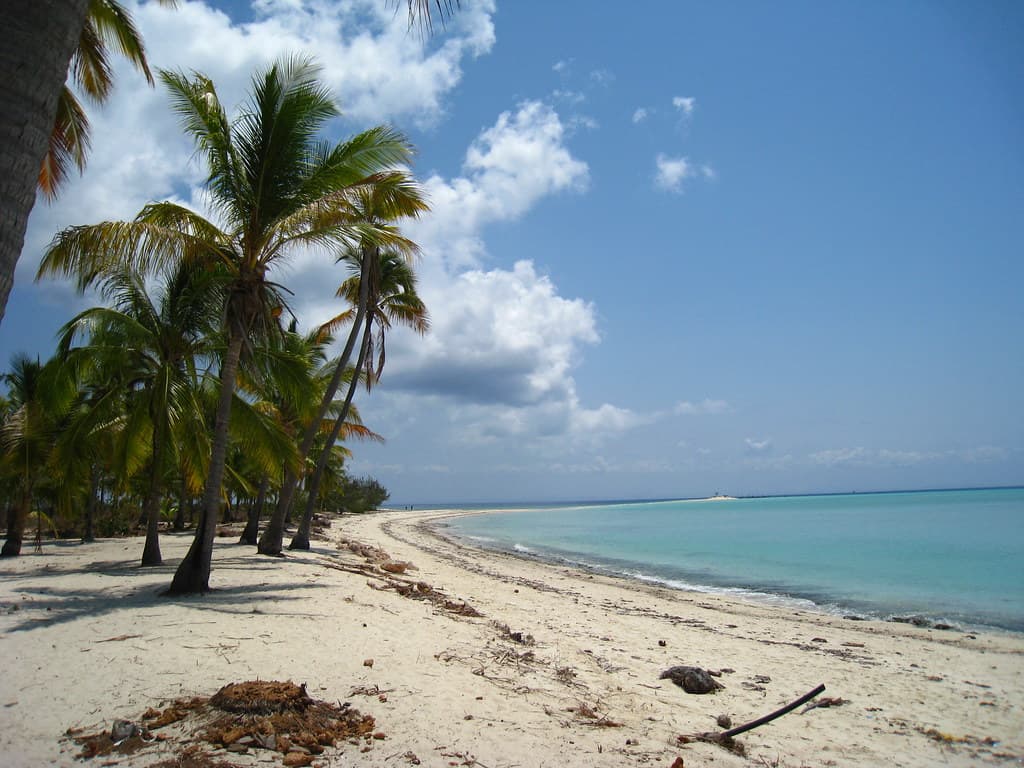
Step onto Sanje ya Kati, and the world recedes. This diminutive island, a secret whispered among seasoned travelers, offers a profound sense of solitude. The sand, a fine powder underfoot, stretches to meet water so clear you can count the stripes on a passing clownfish from the surface.
Beneath the gentle swell, a kaleidoscope of marine life thrives. Snorkelers will delight in the intricate coral gardens, home to parrotfish, angelfish, and darting schools of silver. The quiet hum of the ocean is punctuated only by the occasional cry of a seabird, reinforcing the island's untouched allure.
Crashing wave at sunset on the shoreline
Discover vibrant reef life
Unwind on soft, white sand
Refresh in warm, clear water
Prime Visitation
Best Weather|Less Crowds
Where it is
Sanje ya Kati Beach
Sanje ya Kati, Lindi Region, Tanzania
-8.480800°, 39.563500°
Weather
Loading…
Swell
—
Temp
Warm · Restorative
UV Index
Moderate
Wind
—
Tidal State
Last known
Max Sunlight
—
Ideal Shade
—
May - Sep (Peak)
Jan - Dec (Off-season)
Best Weather|Less Crowds
Select a category to load nearby places.
Unlock restaurants, luxury stays and curated maritime experiences within 2km
Sanje ya Kati Beach, being an offshore island, generally offers excellent conditions for swimming and snorkeling in clear waters. The primary safety consideration would be ensuring you have reliable boat transport to and from the island. While snorkeling, be mindful of currents, especially if venturing further from the shore, and always snorkel with a buddy. Marine life is generally harmless, but it's always wise to observe without touching. Sun protection is also crucial due to the open exposure.
The ideal time to visit Sanje ya Kati Beach for optimal weather and to experience fewer crowds typically falls within Tanzania's dry seasons. These periods offer calm seas, excellent visibility for snorkeling, and pleasant temperatures. Visiting during the shoulder seasons might also provide a good balance, as the island's 'hidden gem' status means it's less frequented than more prominent destinations. Always confirm local weather patterns before planning your trip to ensure the best conditions.
Accessing Sanje ya Kati Beach requires boat transport, as it is a small offshore island. You would typically arrange a boat trip from a mainland point, likely Kilwa Kivinje or another nearby coastal settlement in the Lindi Region. It's advisable to organize this through a local tour operator or a reputable boat owner to ensure safe and reliable passage. Given its 'hidden' nature, pre-arranging transport is essential, as there won't be regular ferry services.
As a 'small offshore island' with 'strong hidden-gem value,' it is highly unlikely that Sanje ya Kati Island has established food or lodging facilities. Visitors should plan for day trips, bringing all necessary provisions, including food, water, and any other supplies. Accommodation and dining would need to be arranged on the mainland, likely in Kilwa Kivinje, and then travel to the island for the day. This contributes to its untouched and pristine appeal.
Sanje ya Kati Beach's 'hidden gem' status stems from its pristine, undeveloped island environment, offering a truly exclusive experience away from mainstream tourism. Its isolation and natural beauty, combined with excellent snorkeling opportunities, appeal to travelers seeking authentic, off-the-beaten-path adventures. For specialist coverage, it represents the untouched beauty of Tanzania's lesser-known coastal and island destinations, highlighting the country's diverse natural attractions beyond its famous safaris.
Photos