
Counting the waves…
Counting the waves…
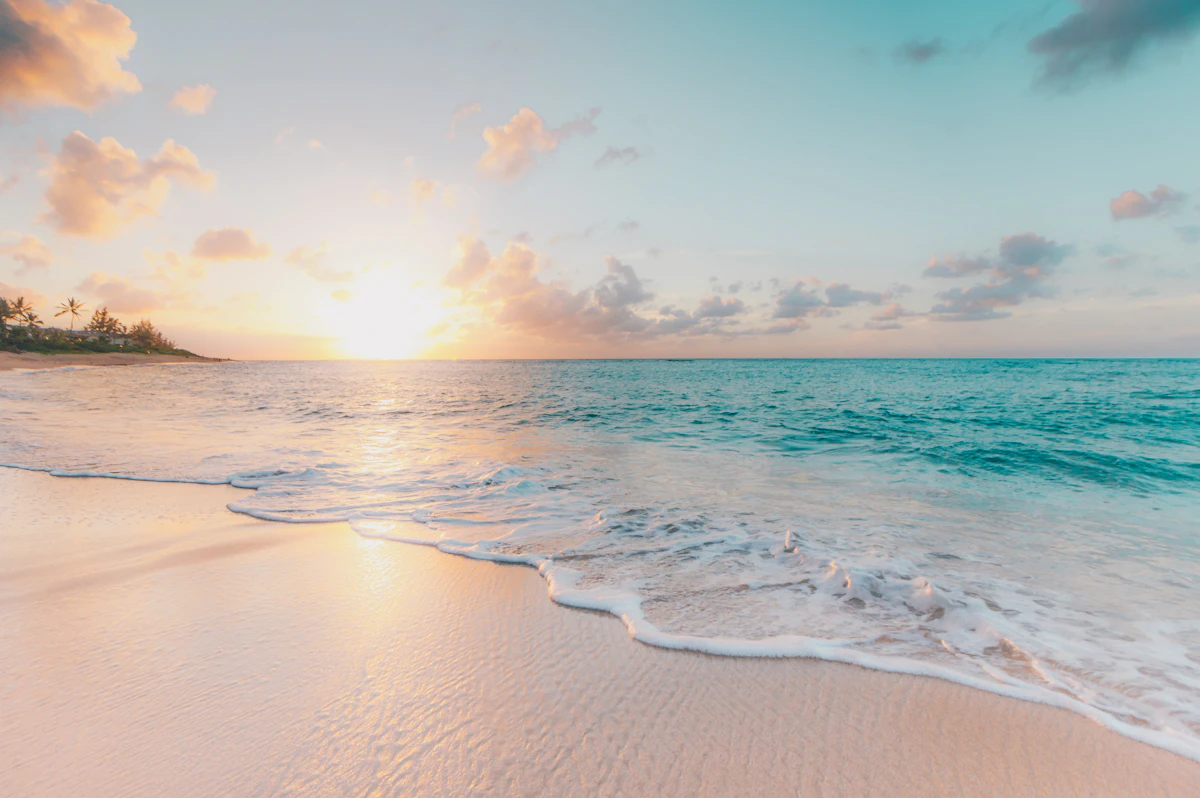
Moa Beach, a modest yet captivating stretch of sand, serves as a vital hub for the small coastal settlement of Moa. Unlike the expansive, deserted beaches, Moa offers a more intimate and lively experience, where the daily activities of the community unfold against a backdrop of soft sand and the Indian Ocean. It’s a place where you can feel the genuine pulse of local life. The beach itself is a canvas of activity. Fishermen mend their nets, children play in the shallows, and small boats bob gently at anchor. The sand, a warm, inviting tone, is perfect for a leisurely stroll, allowing you to observe the ebb and flow of coastal existence. The air is alive with the sounds of human activity mingled with the cries of gulls and the gentle murmur of the waves, creating a unique and engaging soundscape. What truly sets Moa Beach apart are its undeniable 'vibes.' There's an authentic, unpretentious energy here, a sense of community and connection that is both welcoming and intriguing. It’s a place to witness real life unfold, to perhaps share a smile with a local, or simply sit and absorb the atmosphere. Moa Beach fills a crucial gap in understanding the true character of the Tana Delta's inhabited coastline, offering a rich, cultural beach experience.
Places, rentals, tours and events within walking and driving distance of Moa Beach.
Photos
Swimming conditions at Moa Beach vary with tides and seasons. The Tana Delta coast experiences strong currents, especially during tidal changes, so caution is essential. Always check local conditions before entering the water. The beach is remote with limited rescue services, so swim only if you're a confident swimmer and never alone. Local fishermen can offer advice on current conditions. The area is generally safe from marine hazards, but basic water safety awareness is crucial given the isolation.
The best time to visit Moa Beach is during Kenya's dry seasons: January to March and July to October. These periods offer sunny weather, calmer seas, and easier access along coastal roads. The beach sees very few visitors year-round, so crowds are never an issue. Temperatures remain warm throughout the year, typically 25-30°C. Avoid the heavy rains from April to June when roads become challenging and humidity peaks. Early mornings and late afternoons provide the most comfortable conditions for beach activities.
Reaching Moa Beach requires planning as it's in a remote part of Tana River County. From Malindi, drive north approximately 100-120 kilometers toward the Tana Delta region via Garsen. A 4WD vehicle is highly recommended, especially during rainy seasons when roads can be rough and sandy. Public transport options are limited; matatus run to larger towns like Garsen, from where you'll need local arrangements. Hiring a local guide or driver familiar with delta routes is advisable. The journey takes 3-4 hours from Malindi depending on road conditions.
Accommodation and dining options near Moa Beach are extremely basic and locally oriented. Moa is a small settlement with guesthouses or homestay arrangements possible through local contacts, but don't expect tourist facilities. Meals typically consist of local cuisine—fresh fish, ugali, and rice—prepared by community members. Most visitors base themselves in Garsen or even Malindi, making day trips to the beach. If staying locally, bring essential supplies and be prepared for simple, rural conditions. Advance arrangements through local guides are essential.
Moa Beach offers an authentic, undeveloped delta coast experience far from tourist infrastructure. Unlike popular beaches further south, this area sees virtually no international visitors, providing genuine cultural immersion with local fishing communities. The landscape blends sandy beaches with delta ecosystems—mangroves, tidal flats, and birdlife—creating unique scenery. The beach remains pristine and empty, offering solitude impossible to find at developed resorts. It's ideal for adventurous travelers seeking to explore Kenya's lesser-known coastal regions and experience traditional Swahili coastal culture.