

Counting the waves…
Counting the waves…
A refined fusion of water purity, environmental stability, and communal vibrancy for Kizimkazi Reef Flats.
View MethodologyAnalyzed via live sensors and environmental data.
Wave height, wind, and atmospheric stability.
Live footfall and crowd balance metrics.
Community reviews and curated sentiment.
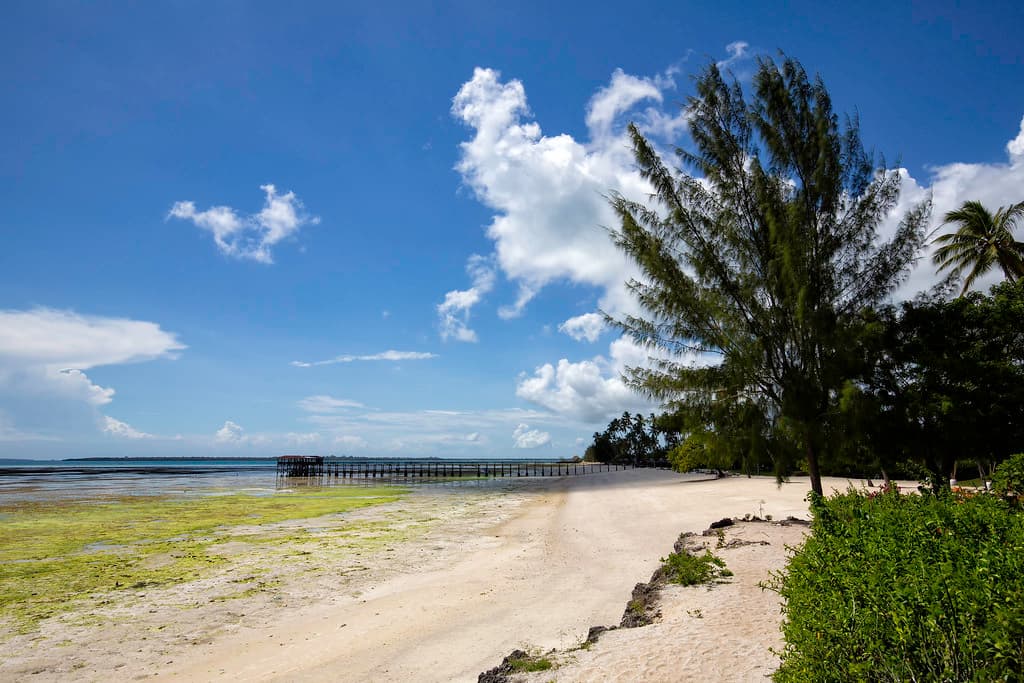
“At low tide, the waters recede from Kizimkazi Reef Flats, unveiling a sprawling, shallow ecosystem teeming with life. Slip on your water shoes and wade into this natural aquarium, where every step reveals a new wonder.…”
Limited recent visitor reports — live OBI telemetry is your best guide for current conditions.
Kizimkazi Reef Flats transforms with the tides, offering a dynamic spectacle for those eager to explore. As the ocean pulls back at low tide, it exposes a vast, shallow expanse of reef, creating a natural, walkable aquarium. The water, often only ankle to knee-deep, becomes remarkably clear, allowing for unparalleled visibility of the marine ecosystem beneath your feet. This is an invitation to slow down, observe, and marvel at the intricate workings of a coral reef.
Equip yourself with water shoes and a keen eye, and you'll discover a vibrant community of creatures. Small, colorful fish dart between coral heads, sea cucumbers slowly traverse the sandy patches, and starfish cling to rocks. You might spot tiny crabs scuttling for cover or even a shy octopus camouflaged against the reef. Each step is an opportunity for discovery, a living lesson in marine biology unfolding before your eyes.
Credit: FlickrReef Walking
Credit: FlickrUnderwater Photography
Explore marine life
Capture reef creatures
Observe fish up close
Prime Visitation
Less Crowds
Where it is
Kizimkazi Reef Flats
Kizimkazi, Zanzibar South, Tanzania
-6.452000°, 39.502000°
Weather
Loading…
Swell
—
Temp
Warm · Restorative
UV Index
Moderate
Wind
—
Tidal State
Last known
Max Sunlight
—
Ideal Shade
—
May - Sep (Peak)
Jan - Dec (Off-season)
Historical data suggests peak visibility and stable sea temperatures occur during the prime visitation window.
Select a category to load nearby places.
Unlock restaurants, luxury stays and curated maritime experiences within 2km
Exploring the Kizimkazi Reef Flats is generally safe, particularly during low tide when marine life is most visible. However, always wear reef-safe footwear to protect against sharp coral and sea urchins. Be mindful of tidal changes to avoid being stranded. It's advisable to go with a local guide who understands the tides and can point out interesting marine species safely. The water is typically calm for snorkeling.
The best time to visit Kizimkazi Reef Flats is during low tide, which allows for optimal reef exploration and marine life visibility. This period also coincides with fewer crowds, offering a more serene experience. While specific daily low tide times vary, the dry season (June to October and December to February) generally offers the most stable weather conditions for visiting.
Kizimkazi Reef Flats are located in Kizimkazi, on Zanzibar's south coast. You can reach Kizimkazi by taxi or dala-dala (local bus) from Stone Town, which takes approximately an hour and a half. Once in Kizimkazi, the reef flats are accessible from various points along the shore. Many local guesthouses can arrange transport or guide you to the best access points for reef exploration.
Kizimkazi offers a range of lodging options, from budget guesthouses to more upscale resorts, many of which are located close to the reef flats. These establishments typically have restaurants serving local and international cuisine. You'll find fresh seafood readily available. While you don't need to bring your own food for a day trip, carrying water and snacks for your reef exploration is always a good idea.
The Kizimkazi Reef Flats are renowned for their diverse marine ecosystem, especially visible during low tide. You can expect to encounter various species of colorful fish, sea stars, crabs, and potentially small octopuses or reef sharks in their natural habitat. The clear waters provide excellent visibility for observing the intricate coral formations and the smaller creatures that inhabit them, making for a fascinating natural encounter.
Photos