
Counting the waves…
Counting the waves…
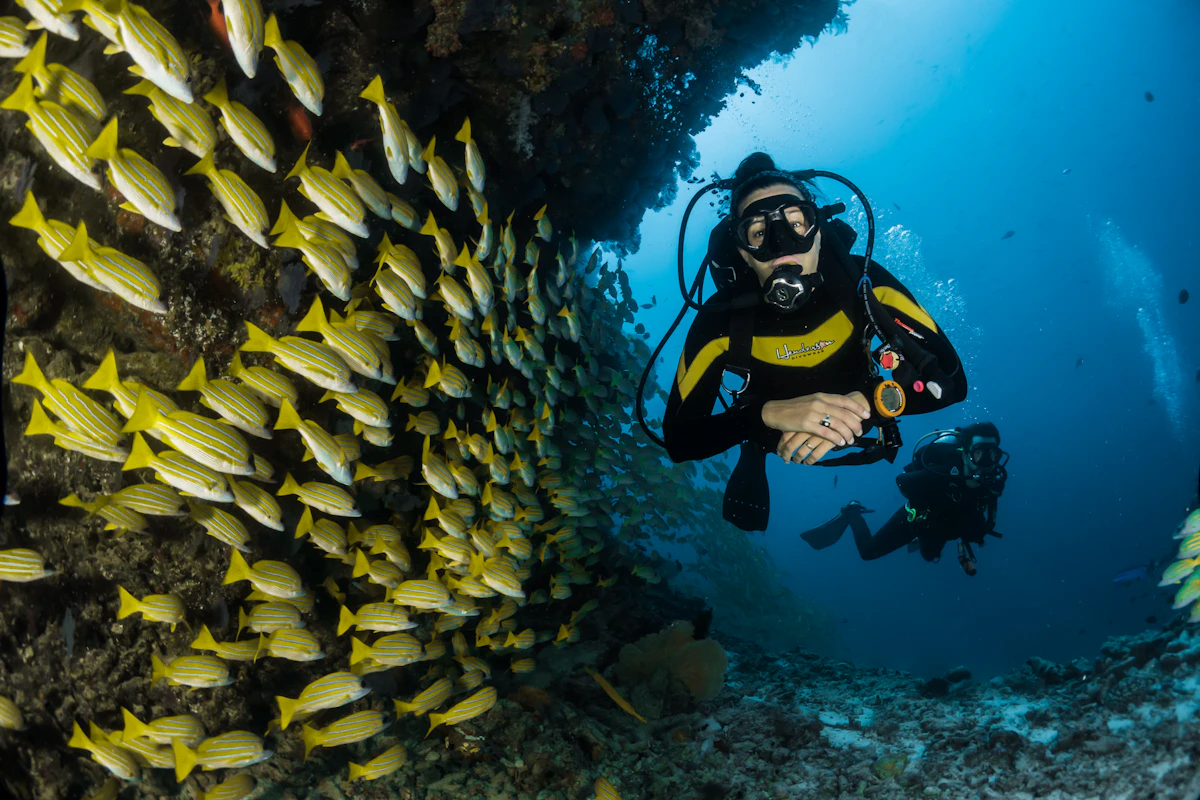
The resort boat skirts Koh Talu's northern cape, where waves have carved the limestone into pocked amphitheaters. You'll pass the main beach—where day-trippers congregate—and continue south to coves accessible only by kayak or on foot via jungle trails slick with leaf litter. The island operates under private conservation management, limiting daily visitor numbers and banning jet skis, which means the ambient sound is wind through casuarina pines and the occasional grunt of a dusky langur. The snorkeling sites bear Thai names you'll mangle: Hin Lak Bat, Ao Tanod, Tham Phang. Each offers different topography—boulder gardens where leopard sharks rest in sandy channels, table corals spanning three meters across, walls dropping to twenty meters where barracuda hover in formation. The water temperature holds steady at 28 degrees Celsius, warm enough that you'll skip the wetsuit and feel the sun on your back between dives. Visibility peaks in January and February, often exceeding fifteen meters. Between snorkel sessions, you'll explore the island's interior via narrow trails marked by faded ribbons tied to branches. The canopy closes overhead, dropping the temperature five degrees and filling the air with the funk of decomposing vegetation and frangipani blooms. You'll emerge onto beaches where your footprints are the only ones, where the sand is coarse with coral fragments and cowrie shells, where the silence feels almost aggressive in its completeness.
Places, rentals, tours and events within walking and driving distance of Koh Talu.
Photos
Koh Talu is generally safe for swimming and snorkeling, with calm, clear waters that make it popular for underwater activities. The island's sheltered bays provide protected areas ideal for beginners and families. However, always check weather conditions before visiting, as the Gulf can experience rough seas during monsoon season. When snorkeling, stay aware of boat traffic and respect the vibrant marine life. Most tour operators provide life jackets and safety briefings. The coral reefs are relatively shallow in many areas, making it accessible for snorkelers of various skill levels.
The optimal time to visit Koh Talu is during the dry season from December to April, when seas are calmest and visibility for snorkeling is best. However, visiting during less crowded periods (May-June or September-November) can offer a more intimate experience with the island's natural beauty, though weather may be less predictable. The monsoon season (roughly July-September) can bring rough seas that may affect boat transfers and water clarity. For the best snorkeling conditions and comfortable weather, February through early April is ideal, balancing good conditions with the less-crowded emphasis.
Koh Talu is accessed by boat from the mainland in Lang Suan district, Chumphon province. Most visitors arrange day trips or overnight packages through tour operators or the island's resort, which include boat transfers. The boat journey typically takes 30-45 minutes from the mainland pier. You can reach the departure point by traveling to Chumphon town first (accessible by bus, train, or car from Bangkok), then arranging local transport to the pier. Some packages include pickup from Chumphon town. Private boat charters are also available for groups wanting more flexibility.
Koh Talu has limited accommodation, primarily consisting of a small resort that offers bungalows and basic facilities for overnight guests. The island is often visited as a day trip, with most visitors returning to mainland Chumphon for accommodation. The resort typically provides meals as part of package deals, serving Thai cuisine and seafood. Day-trippers often receive lunch as part of tour packages. Given the island's remote nature, there are no restaurants or shops, so it's essential to arrange meals in advance or bring supplies if you're staying overnight.
Koh Talu distinguishes itself through its pristine, undeveloped character and exceptional snorkeling opportunities right off its hidden beaches. The island has remained relatively untouched by mass tourism, offering an authentic island experience with vibrant coral reefs and diverse marine life including sea turtles, colorful fish, and healthy coral formations. Its compact size makes it perfect for exploration in a day, yet it provides multiple secluded coves and beaches. The relaxed 'vibes' and scenic beauty create an intimate atmosphere that contrasts sharply with Thailand's more commercialized islands, appealing to travelers seeking natural tranquility.