Counting the waves…
Counting the waves…
A refined fusion of water purity, environmental stability, and communal vibrancy for Khao Lak Lam Ru National Park Beach.
View MethodologyAnalyzed via live sensors and environmental data.
Wave height, wind, and atmospheric stability.
Live footfall and crowd balance metrics.
Community reviews and curated sentiment.
“The jungle doesn't stop at a tree line here—it continues right to the water's edge. You'll step from beneath dipterocarp canopy straight onto a beach the park rangers keep deliberately unmarked and difficult to find.”
Limited recent visitor reports — live OBI telemetry is your best guide for current conditions.
You earn this beach through a twenty-minute hike down a root-crossed trail that starts near the park headquarters. Sweat will soak through your shirt before you hear the surf, and you'll need to watch for the bent sapling that marks where the path forks—go left or you'll end up at the rocky headland. When you finally push through the last curtain of vegetation, the beach appears suddenly: a crescent maybe two hundred meters across, backed entirely by unbroken forest.
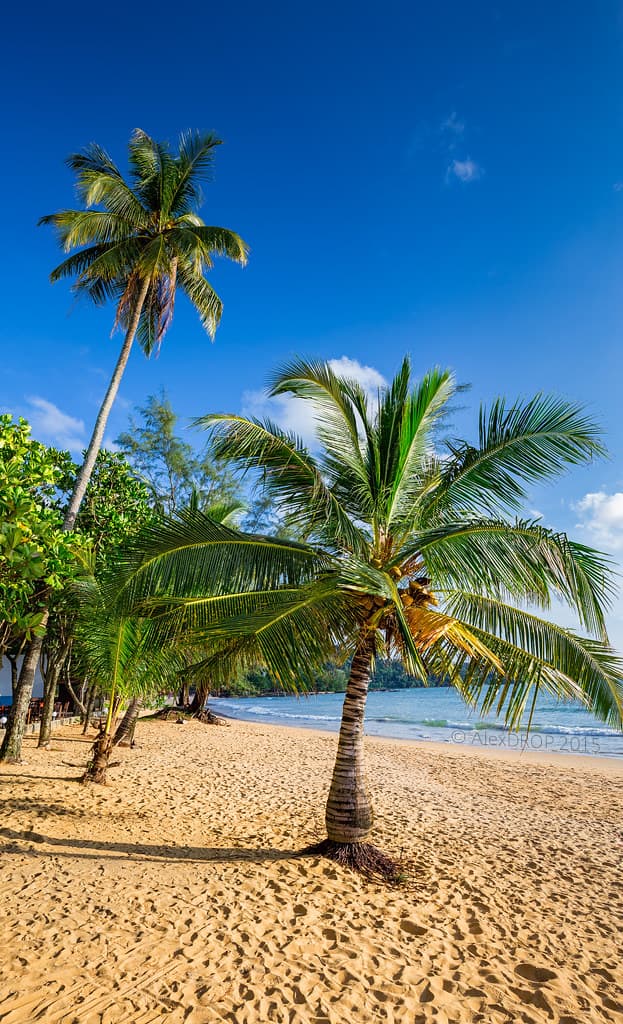
The sand holds more organic matter than typical tourist beaches—you'll see leaf litter, seedpods, the occasional coconut still in its husk. Monitor lizards longer than your arm patrol the wrack line at low tide, their forked tongues testing the air. The water runs deeper here than neighboring beaches, the seafloor dropping away sharply just beyond where the waves break, and you can see schools of needlefish holding station in the shore break, silver flashes in the green water.
 Credit: Unsplash
body of water near green trees during daytime
 Credit: Unsplash
a large body of water surrounded by trees
Twenty-minute descent through primary jungle
Hornbills and monitors at forest edge
Steep shelf for strong swimmers
Prime Visitation
Best Weather|Less Crowds
Where it is
Khao Lak Lam Ru National Park Beach
Khao Lak, Phang Nga, Thailand
8.629000°, 98.271900°
Weather
Loading…
Swell
—
Temp
Warm · Restorative
UV Index
Moderate
Wind
—
Tidal State
Last known
Max Sunlight
—
Ideal Shade
—
Jan - Dec (Peak)
May - Nov (Off-season)
Best Weather|Less Crowds
Select a category to load nearby places.
Unlock restaurants, luxury stays and curated maritime experiences within 2km
Swimming safety at Khao Lak Lam Ru National Park Beach varies significantly by season. During the dry season (November to April), waters are generally calm and suitable for swimming, though you should always assess conditions before entering. The monsoon season (May to October) brings dangerous conditions with strong currents, large waves, and undertows that make swimming unsafe. As this is a national park beach with limited development, there are no lifeguards on duty, so swimmers must be self-reliant and cautious. Always swim during daylight hours, avoid isolated areas, and never swim alone or during rough weather conditions.
The ideal visiting period is during the dry season from November to April, with December to February offering the most comfortable temperatures and best beach conditions. These months provide calm seas, clear skies, and excellent opportunities for sunbathing and nature walks. March and April are warmer but still pleasant for beach activities. For nature enthusiasts interested in the park's wildlife and trails, the cooler months of December and January are particularly enjoyable. The park may have restricted access or be closed during monsoon season (May-October) due to safety concerns from rough seas and heavy rainfall.
The beach is located within Khao Lak Lam Ru National Park, accessible from Highway 4. You'll need to enter through the park entrance, where an entrance fee is typically charged for foreign visitors. The park is reachable by rental scooter, car, taxi, or tuk-tuk from Khao Lak town, usually within 15-30 minutes depending on which beach area you're coming from. Some beaches within the park require short walks from parking areas. Check park opening hours before visiting, as they may vary seasonally. Private transport is recommended for flexibility, though some tour operators include the park in guided excursions.
As a protected national park area, Khao Lak Lam Ru National Park Beach has minimal commercial development. There are no hotels or resorts within the park itself, and food options are extremely limited or nonexistent at the beach. The park may have basic facilities near the entrance, but visitors should bring their own food, water, and supplies for a beach day. For accommodation, stay in nearby Khao Lak town or surrounding areas, which offer numerous hotels and resorts at various price points. Most visitors treat this as a day trip destination, enjoying the pristine natural environment before returning to their accommodation for meals and overnight stays.
Being within a protected national park, this beach offers an exceptionally pristine and natural environment compared to developed tourist beaches. The area features diverse ecosystems including coastal forest, rocky headlands, and unspoiled sandy stretches, providing excellent opportunities for nature observation and photography. Wildlife sightings are possible, including various bird species and occasionally small mammals. The park has hiking trails leading through tropical forest to viewpoints overlooking the Andaman Sea, combining beach relaxation with jungle trekking. The lack of commercial development means cleaner shores, natural vegetation, and a peaceful atmosphere perfect for visitors seeking authentic natural beauty and solitude away from crowds.
Photos