Counting the waves…
Counting the waves…
A refined fusion of water purity, environmental stability, and communal vibrancy for Pak Weep Beach.
View MethodologyAnalyzed via live sensors and environmental data.
Wave height, wind, and atmospheric stability.
Live footfall and crowd balance metrics.
Community reviews and curated sentiment.
“The first thing you notice is the color—that impossible white that belongs in brochures except this is real, powder-fine beneath your feet. The second thing is the silence, broken only by waves and the occasional…”
Limited recent visitor reports — live OBI telemetry is your best guide for current conditions.
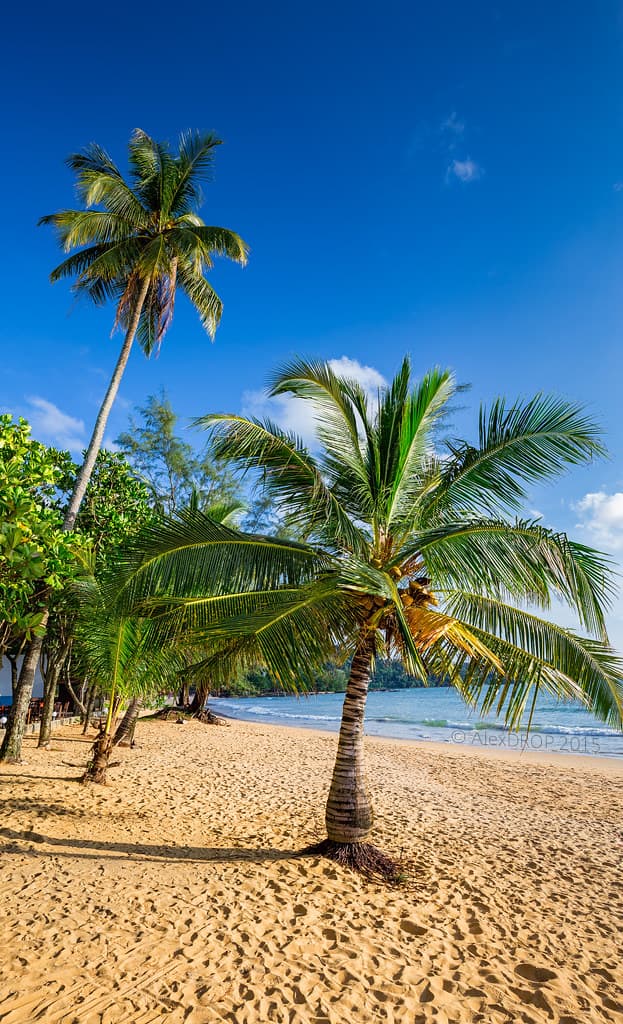
Your footprints at Pak Weep sink deep into sand that squeaks when you walk, each grain worn smooth by centuries of Andaman tides. The beach curves gently northward, flanked by dense jungle that creeps almost to the waterline. Driftwood logs, stripped silver by salt and sun, lie scattered above the tide mark like sculpture installations. Some are massive—entire tree trunks delivered by monsoon storms—and provide the only shade until late afternoon when shadows lengthen from the tree line.
The water gradient here shifts from pale aquamarine at your ankles to deeper teal beyond the sandbar, thirty meters out. Visibility extends to your knees, then your waist, depending on recent rainfall. Small waves arrive in sets, their timing hypnotic, collapsing into foam that slides up the compacted sand. You'll float on your back and see nothing but sky and the dark green wall of rainforest, the modern world completely absent from this frame.
 Credit: Unsplash
body of water near green trees during daytime
 Credit: Unsplash
a large body of water surrounded by trees
Natural loungers on powder sand
Shallow aquamarine pools
Weathered wood and foam patterns
Prime Visitation
Best Weather|Anytime
Where it is
Pak Weep Beach
Khao Lak, Phang Nga, Thailand
8.568400°, 98.282800°
Weather
Loading…
Swell
—
Temp
Warm · Restorative
UV Index
Moderate
Wind
—
Tidal State
Last known
Max Sunlight
—
Ideal Shade
—
Jan - Dec (Peak)
May - Nov (Off-season)
Historical data suggests peak visibility and stable sea temperatures occur during the prime visitation window.
Select a category to load nearby places.
Unlock restaurants, luxury stays and curated maritime experiences within 2km
Swimming at Pak Weep Beach is generally safe during the dry season (November-April) when the Andaman Sea is calm and clear. The beach features gentle waves and a gradual slope, suitable for most swimmers. However, lifeguards are typically not stationed here, so swim with caution and never alone. During monsoon season (May-October), strong currents and rough seas make swimming dangerous—heed warning signs if posted. The pristine, less-developed nature means fewer people around for assistance. Always check weather conditions before entering the water and stay close to shore if you're not a strong swimmer.
Visit Pak Weep Beach between November and April for optimal conditions, with December to February being ideal. During these months, expect crystal-clear turquoise waters, calm seas, and sunny skies perfect for sunbathing and photography. The white sand appears most brilliant under the dry season sun. March and April are hotter but still excellent. Avoid May through October when monsoons bring heavy rainfall, cloudy skies, and rough waters that obscure the beach's natural beauty. Early mornings offer the most peaceful atmosphere and best light for capturing the pristine scenery before any crowds arrive.
Pak Weep Beach is located in the northern section of Khao Lak, accessible via Highway 4. From Phuket Airport, it's approximately 90-100 kilometers (about 90 minutes by car). You can hire a private taxi, arrange resort transfers, or rent a car or motorbike. From Khao Lak's main tourist areas like Nang Thong or Bang Niang, head north on the coastal road; the journey takes 10-20 minutes. Look for signs or ask locals, as it's less commercialized than main beaches. Limited public transport serves this area, so having your own transportation is recommended for flexibility.
Pak Weep Beach is relatively undeveloped, offering limited but quality accommodation and dining options. A few boutique resorts and beachfront hotels provide comfortable stays with direct beach access, focusing on tranquility rather than nightlife. These typically include on-site restaurants serving Thai and international cuisine. Additional dining options are sparse directly at the beach, so most visitors eat at their resorts or travel to nearby Bang Niang or Nang Thong for more variety. The peaceful, uncommercial atmosphere is ideal for travelers seeking relaxation. Bring snacks and drinks, as convenience stores are limited in the immediate vicinity.
Pak Weep Beach distinguishes itself through exceptional tranquility and pristine natural beauty. Unlike busier Khao Lak beaches, it remains relatively undiscovered and undeveloped, offering an authentic, peaceful atmosphere perfect for pure relaxation and sunbathing. The exceptionally clear waters showcase brilliant turquoise hues, while the fine white sand remains largely untouched. The lack of commercial development means minimal crowds, creating an almost private beach experience. It's ideal for couples, honeymooners, or anyone seeking to escape tourist areas while still enjoying Thailand's renowned Andaman Coast beauty. The serene vibes make it perfect for meditation, yoga, or simply unwinding completely.
Photos