Counting the waves…
Counting the waves…
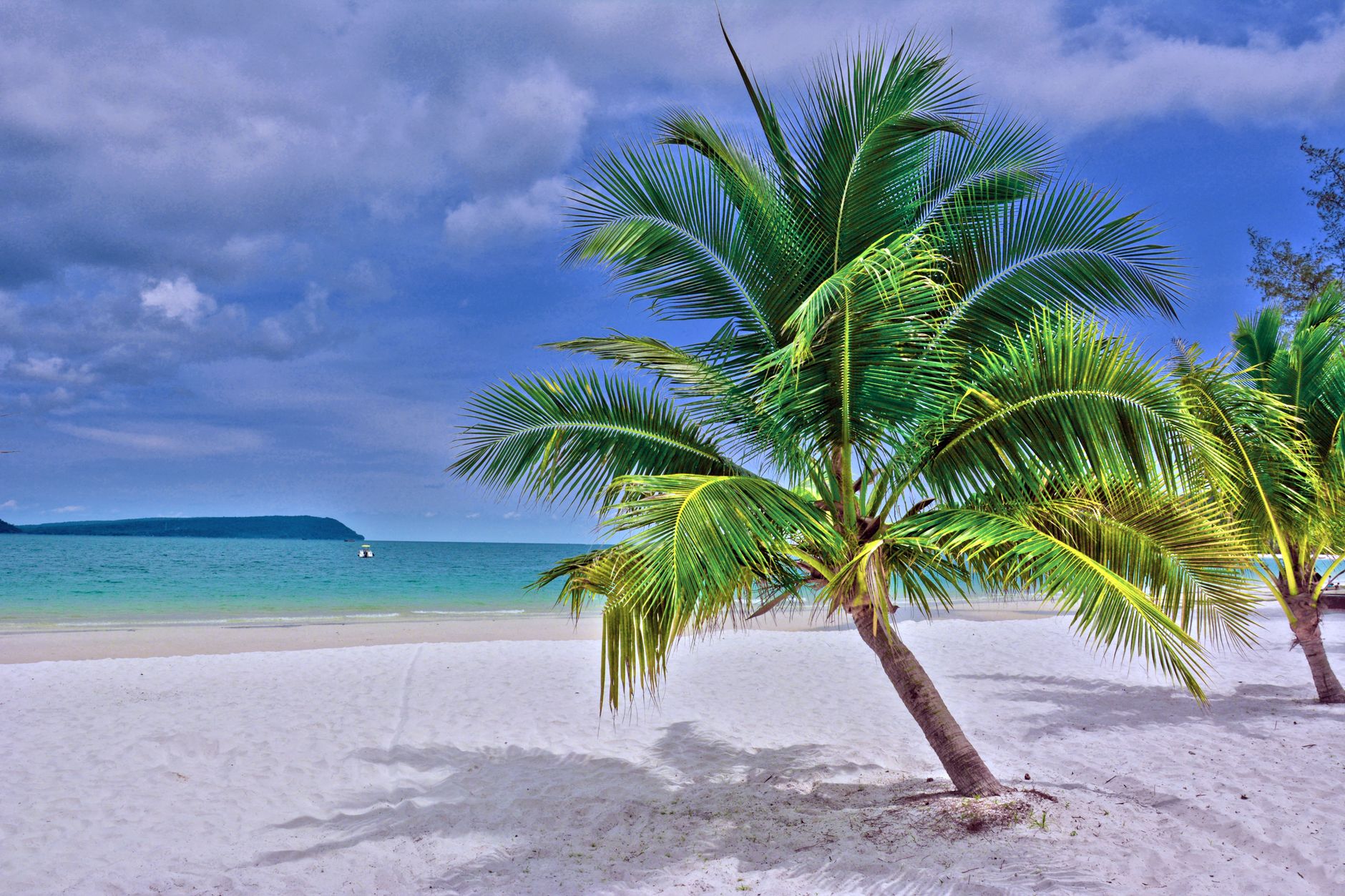
Hat Chao Mai unfurls along Trang's coastline like a ribbon of ochre sand interrupted by rock formations that fractured from the mainland millennia ago. You'll enter through the park headquarters where rangers point you toward trails threading through monsoon forest, the canopy thick with hornbills and macaques that crash through branches overhead. The beach itself runs six uninterrupted kilometers, backed by casuarinas that lean with decades of sea wind, their shade stippled with light that shifts as the day progresses. Wade into the shallows and you're standing over seagrass beds where dugongs feed at dawn and dusk, their snouts churning sediment as they graze. The water holds a greenish tint from the grass meadows, clarity improving as you swim beyond the beds to coral patches where sergeant majors and damselfish dart between brain corals. Snorkeling the rocky points reveals moray eels tucked into crevices and blue-spotted stingrays resting on sand channels between the formations. The national park protects forty-seven square kilometers of coast and offshore waters, meaning development stops at the headquarters. You'll hear only wave wash, bird calls, and occasionally the put-put of a longtail ferrying fishermen to Koh Mook across the channel. Late afternoon brings langurs down from the forest to drink at freshwater seeps near the beach's southern end, their calls echoing through the casuarinas as the sun drops behind the karst islands offshore and paints the Andaman in gradients of copper and violet.
Places, rentals, tours and events within walking and driving distance of Hat Chao Mai National Park.
Photos
Swimming conditions at Hat Chao Mai are generally safe during the dry season (November to April) when waters are calm. During monsoon season (May to October), currents and waves can be stronger, so check local conditions before entering the water. The beach has shallow areas suitable for wading. Since it's a national park with limited development, lifeguards are not always present, so swim cautiously and stay aware of changing tides and weather conditions.
The optimal time to visit is November through April during the dry season, when you'll experience sunny weather, calm seas ideal for snorkeling, and fewer crowds compared to more popular Thai beaches. March and April are warmest. The park is open year-round, but May through October brings monsoon rains, rougher seas, and some boat services may be limited. For the quietest experience, visit during weekdays outside Thai public holidays.
From Trang town, Hat Chao Mai is approximately 40 kilometers west. You can rent a car or motorbike, which takes about 45-60 minutes via Route 4046. Alternatively, hire a taxi or arrange transport through your accommodation. Some tour operators offer day trips from Trang. The park entrance is well-signposted off the main road. Once at the park headquarters, the beach is a short walk away. There's parking available near the visitor center.
Accommodation options within the park include basic bungalows and camping facilities that can be booked through the Department of National Parks. Nearby villages like Ban Chao Mai offer guesthouses and small resorts. Food choices are limited within the park itself—bring snacks or pack a picnic. Simple Thai restaurants and seafood eateries can be found in surrounding villages. For more dining and lodging variety, stay in Trang town and visit the park as a day trip.
Hat Chao Mai offers access to relatively pristine coral reefs and marine life with fewer visitors than tourist-heavy destinations. The national park status helps protect the underwater ecosystem. Several small islands offshore, reachable by longtail boat, provide excellent snorkeling spots with good visibility during dry season. You may encounter diverse fish species, sea turtles, and healthy coral formations. The park's natural, undeveloped setting creates a more authentic snorkeling experience compared to commercialized beaches.