
Counting the waves…
Counting the waves…
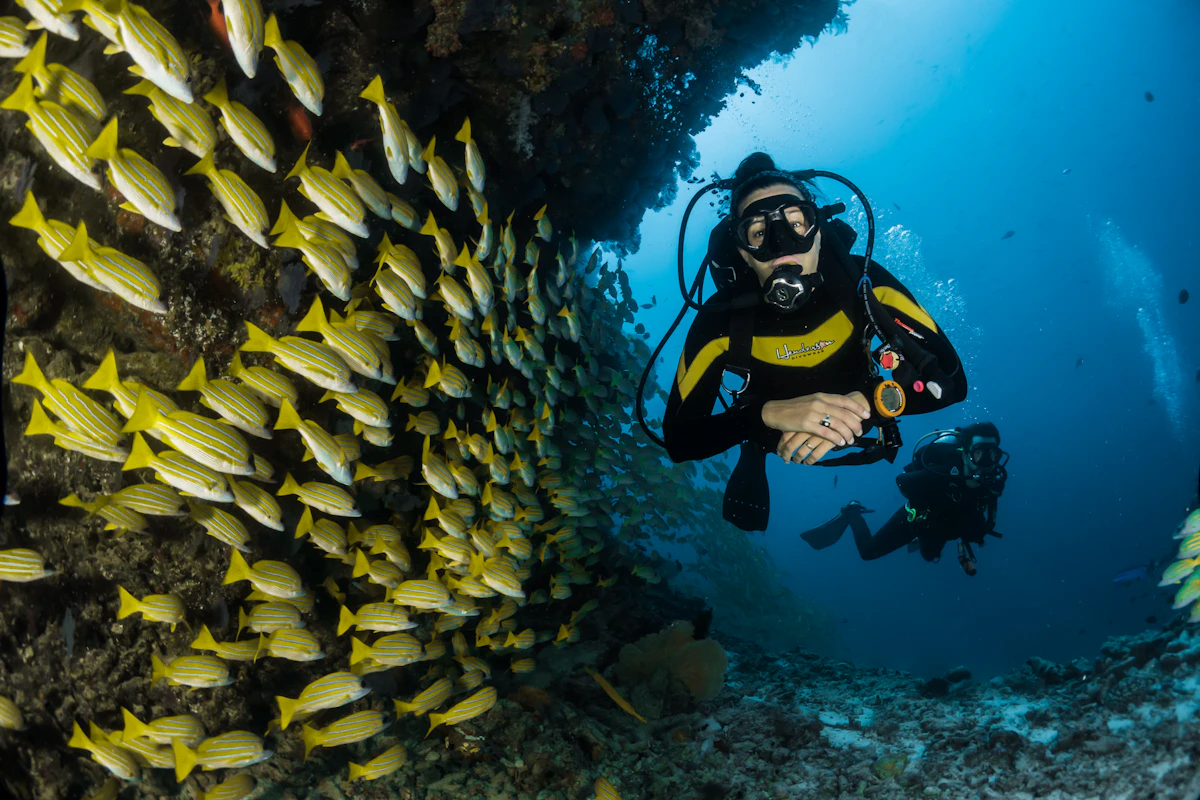
You step off the boat onto a narrow strip of sand that feels almost incidental, a margin between jungle and sea. Koh Rang's beach is functional rather than luxurious—coarse sand scattered with coral rubble, a few weathered signs reminding visitors this is a protected zone, and a simple ranger station set back in the trees. But no one comes here to sunbathe. Within minutes of arrival, you're pulling on fins and a mask, wading into water that shifts from milky turquoise near shore to a deeper, richer blue just beyond the drop-off. The reef begins almost immediately. Hard corals cluster in mounds and tables, their surfaces alive with Christmas-tree worms and grazing tangs. Parrotfish crunch audibly; a blacktip reef shark glides past, indifferent. Visibility hovers around ten meters on good days, the water warm and calm, the current gentle enough for beginners. You drift over staghorn thickets and fields of brain coral, following schools of fusiliers that turn in unison, flashing silver. Between snorkel sessions, you return to the beach, rinse your mask, gulp water from a bottle warming in the sun, and wade back in. By midday, the anchorage is crowded with tour boats, their engines idling, dive groups bubbling up in clusters. The beach itself remains quiet—most visitors spend their time in the water. A monitor lizard patrols the treeline; a hornbill calls from deep in the canopy. Koh Rang is proof that sometimes the beach is just the backstage, and the real performance happens beneath the surface.
Places, rentals, tours and events within walking and driving distance of Koh Rang Beach.
Photos
Koh Rang Beach is generally safe for swimming and snorkeling during good weather, particularly November through April. The beach is part of a marine national park with excellent underwater visibility and healthy coral reefs. However, there are no lifeguards, and you should stay close to shore if you're not a confident swimmer. Watch for boat traffic as this is a popular day-trip destination. Strong currents can occur, so check conditions with your tour operator before entering the water and always snorkel with a buddy.
The best time to visit Koh Rang Beach is during the dry season from November to early May, when seas are calm and underwater visibility is excellent for snorkeling. Peak conditions occur December through March with flat seas and clear skies. The marine park typically closes during monsoon season (roughly May to October) when rough seas make boat access dangerous and visibility poor. Book day trips during morning hours for the calmest conditions and best light for viewing marine life on the surrounding reefs.
Koh Rang Beach is accessible only by boat and has no permanent settlement or accommodation. Most visitors join organized snorkeling or diving day trips departing from Koh Chang, Koh Mak, or Koh Kut. These tours typically include the marine park entrance fee, snorkeling equipment, and lunch. Journey time varies by departure point but generally ranges from thirty minutes to two hours. Private longtail boat charters are possible from nearby islands. The island is part of Mu Ko Chang National Marine Park, so visitors must pay the park fee upon arrival.
Koh Rang Beach has minimal facilities as it's an uninhabited marine park island used primarily for day trips. There are no restaurants, shops, or permanent structures beyond basic ranger stations. Most organized tours include lunch, drinks, and snorkeling equipment as part of the package. Basic toilets may be available near the ranger station. Bring reef-safe sunscreen, drinking water, and any personal items you'll need. The beach is meant to be enjoyed in its natural state, so all waste must be carried back to your departure point.
Koh Rang Beach is renowned for its exceptional coral reefs and marine biodiversity within the Mu Ko Chang National Marine Park. The protected waters feature healthy hard and soft corals close to shore, making it accessible for snorkelers of all levels. Visibility is typically excellent during dry season, often exceeding 10-15 meters. You can encounter colorful reef fish, sea turtles, and diverse marine life in relatively shallow water. The reef-focused environment and pristine turquoise water make it one of the best snorkeling destinations in the Trat archipelago, far superior to most mainland beaches.