Counting the wavesβ¦

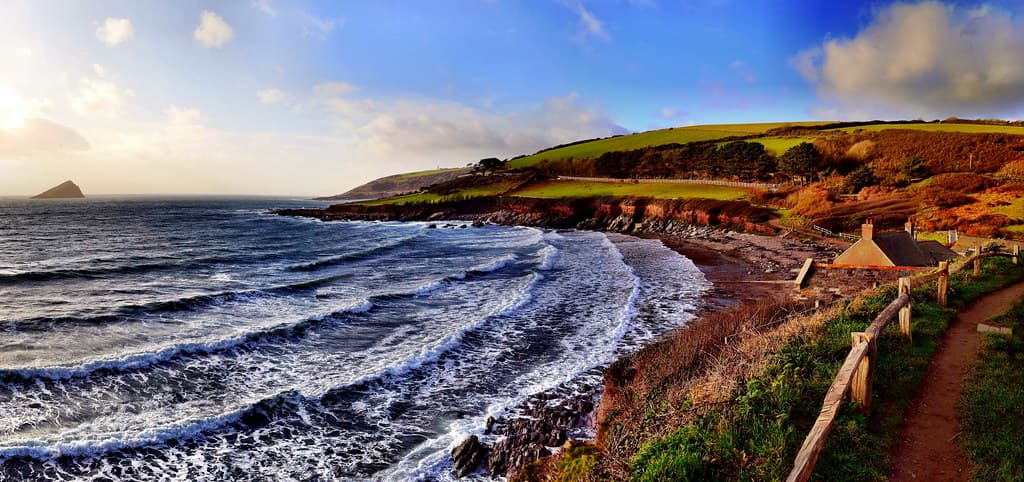
Wembury Beach is a testament to the rugged beauty of Devon's coastline, a rocky expanse celebrated not for its sand, but for its extraordinary rock pools. When the tide recedes, a complex network of these natural aquariums is unveiled, inviting visitors of all ages to peer into the secret lives of crabs, limpets, sea snails, and a kaleidoscope of anemones. It's an educational playground, particularly for children, fostering a deep connection with marine biology. The beach is overseen by the National Trust, which often runs guided rock-pooling sessions, enhancing the experience with expert knowledge. Beyond the immediate fascination of the rock pools, the views from Wembury are equally captivating. Dominating the seascape is the Mewstone, a distinctive pyramid-shaped island that stands proudly offshore, a haven for seabirds and a dramatic photographic subject, especially at sunrise or sunset. While not a traditional swimming beach due to its rocky nature, the clear waters around Wembury are excellent for snorkeling, offering a different perspective on the underwater world. The South West Coast Path also runs alongside, providing exhilarating walks with panoramic vistas. Wembury Beach is more than just a stretch of coast; it's an active classroom, a photographer's dream, and a wild, untamed corner of South Devon that promises adventure and discovery.
Places, rentals, tours and events within walking and driving distance of Wembury Beach.
Photos
Wembury Beach is primarily a rocky beach, renowned for its rock-pooling and marine life. While swimming is possible, visitors should be aware of the rocky nature of the shoreline and potential currents. It's crucial to check local tide times, as the best rock-pooling opportunities are at low tide. There are no specific lifeguard services mentioned, so caution is advised, especially with children, and appropriate footwear is recommended for navigating the rocks.
The best time to visit Wembury Beach is during periods of 'Best Weather' and 'Less Crowds.' This typically means late spring or early autumn, when the weather is pleasant for exploring the rock pools and enjoying the scenic views, but before or after the peak summer season. Visiting at low tide is essential for experiencing the extensive rock-pooling and discovering marine life, which is a key attraction of this beach.
Wembury Beach is located in Wembury, a village in Devon. Access typically involves driving, as public transport options might be limited, especially for direct beach access. There is usually a car park available near the beach, though charges may apply, and it can fill up during peak times. From the car park, there might be a walk down to the beach, which could involve slopes or steps, so consider accessibility for those with mobility issues.
As Wembury is a village, dining options directly at the beach might be limited to a cafe or kiosk, especially during peak season. For more extensive choices, visitors would likely need to venture into the village or nearby towns. Accommodation in Wembury might include guesthouses, holiday cottages, or bed and breakfasts, offering a quieter stay. Larger hotels and a wider range of restaurants would be found in nearby Plymouth.
Wembury Beach is celebrated for its exceptional rock-pooling and abundant marine life, making it a paradise for nature enthusiasts and families. The stunning views to the Mewstone, a distinctive island offshore, add to its scenic beauty and Instagrammable appeal. It's a fantastic spot for exploring tidal pools and discovering crabs, anemones, and other sea creatures, offering an educational and engaging experience for all ages.