Counting the wavesβ¦

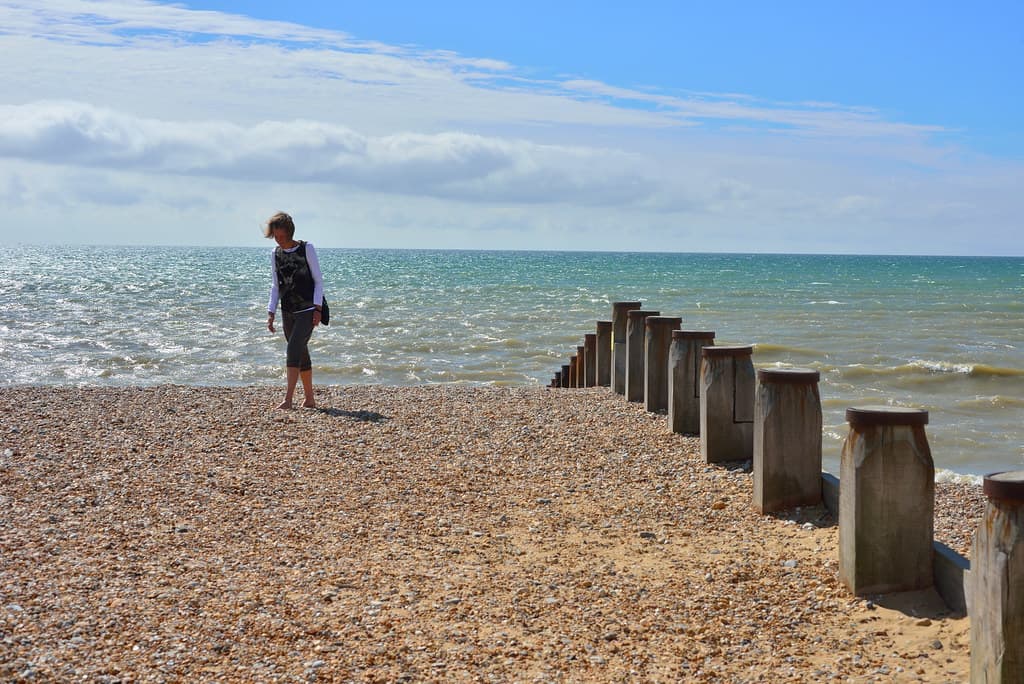
Step onto Dungeness Beach and enter a landscape of stark, compelling beauty. This vast shingle foreland, one of the largest in Europe, is a world unto itself. The pebbles, smoothed by countless tides, stretch endlessly, forming a unique habitat that supports a surprising array of rare plants and insects. Here, the horizon is dominated not by cliffs or dunes, but by the twin domes of a nuclear power station, an incongruous yet strangely fitting landmark in this otherworldly setting. The beach is dotted with weather-beaten fishing boats, hauled high onto the shingle, and a scattering of idiosyncratic wooden houses, many built from salvaged materials. These structures, along with the two lighthouses β one historic, one active β add to the area's distinctive, almost post-apocalyptic charm. It's a place where human endeavor and raw nature coexist in a fascinating, sometimes unsettling, balance. Walking Dungeness is an experience in quiet contemplation. The silence is profound, broken only by the crunch of shingle underfoot and the distant roar of the sea. The light here is extraordinary, often dramatic and moody, making it a magnet for artists and photographers. It's a place that challenges traditional notions of beauty, offering instead a powerful, unforgettable encounter with a truly unique corner of the Kent coast.
Places, rentals, tours and events within walking and driving distance of Dungeness Beach.
Photos
Dungeness Beach is generally not recommended for swimming due to strong currents and a rapidly shelving shingle shoreline. The water can be cold, and there are no lifeguards on duty. It's primarily a wild, exposed landscape best enjoyed from the shore. Visitors should exercise extreme caution if considering entering the water and be aware of the powerful tides.
To best experience Dungeness Beach's unique, wild atmosphere and avoid crowds, consider visiting during the shoulder seasons (spring or autumn) or on weekdays. Summer weekends can attract more visitors, but the vastness of the shingle landscape often prevents it from feeling truly crowded. Early mornings or late afternoons also offer a more tranquil experience and often dramatic light.
Dungeness Beach is accessible by car, with various parking areas available, including near the Dungeness Estate and the lighthouse. It's a remote location, so public transport options are limited. There is a scenic narrow-gauge railway, the Romney, Hythe & Dymchurch Railway, which has a station at Dungeness, offering a unique way to arrive from nearby towns during its operating season.
While Dungeness itself is a sparse, unique landscape, there are a few options for food and drink, including a renowned fish shack and a pub. For more extensive dining and lodging choices, visitors typically look to nearby towns such as Lydd, New Romney, or Rye, which offer a range of hotels, guesthouses, and restaurants. Booking accommodation in advance is advisable, especially during peak seasons.
Dungeness Beach is unique for its vast, wild shingle landscape, often described as a desert-like environment. It's home to a diverse ecosystem, including rare plants and insects, and is a designated National Nature Reserve. The iconic Dungeness Power Station and two lighthouses add to its distinctive, almost otherworldly aesthetic, making it a popular spot for photographers and those seeking a truly unusual coastal experience.