Counting the wavesβ¦

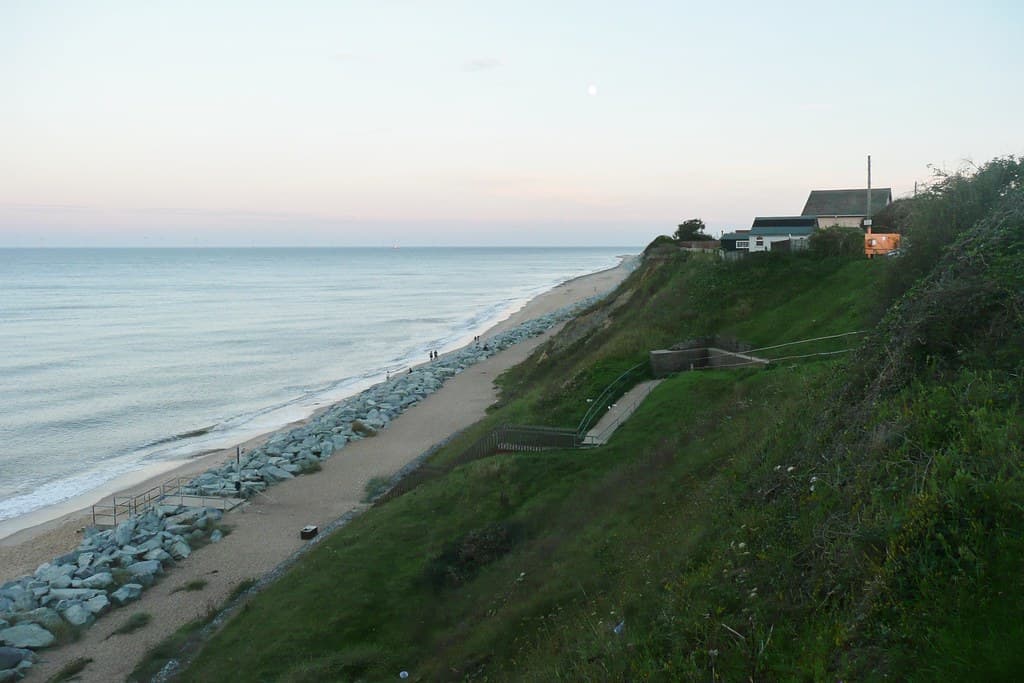
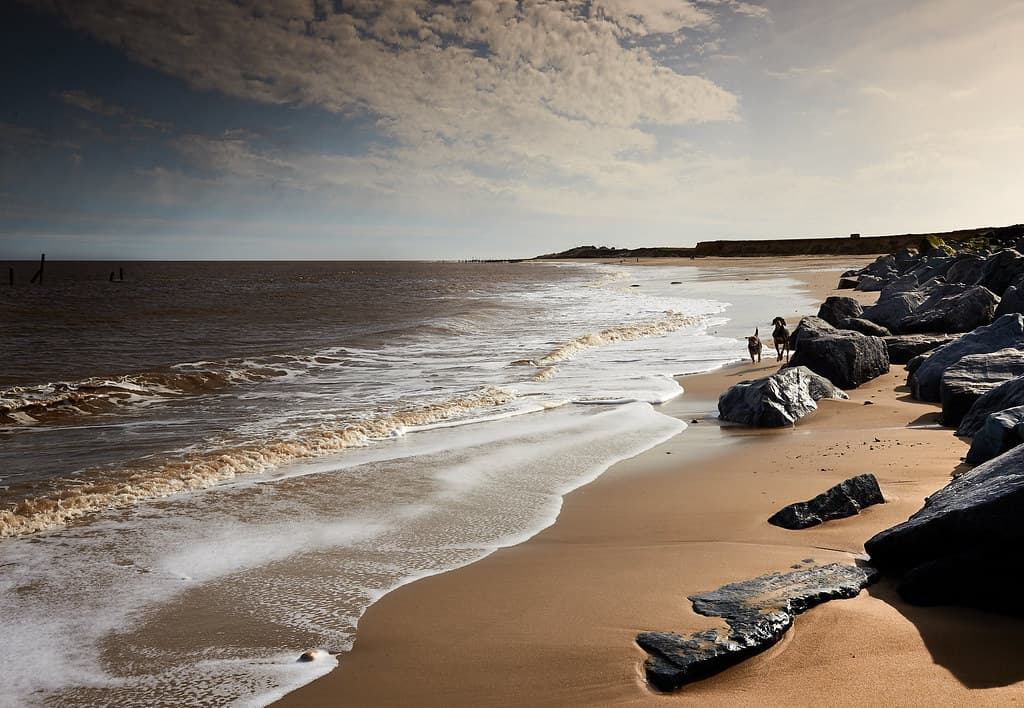
Horsey Beach is a place of profound natural significance, a wild and untamed stretch of the Norfolk coast where the rhythm of nature dictates the day. While beautiful year-round for its expansive sands and dramatic skies, it truly comes alive during the colder months when it transforms into one of England's most important breeding grounds for grey seals. From November to February, the beach becomes a nursery for hundreds of seal pups, a truly awe-inspiring sight. Designated viewing areas and volunteer wardens ensure both visitors and seals remain safe and undisturbed, allowing for respectful observation of these magnificent creatures. Beyond the pupping season, seals can often be seen bobbing in the waves or hauled out on the sand, a constant reminder of the area's rich biodiversity. The landscape itself is rugged and beautiful, with vast stretches of sand meeting the North Sea, backed by a fragile dune system. Itβs a place for bracing walks, for feeling the wind on your face, and for witnessing nature in its purest form. Horsey offers a unique opportunity to connect with wildlife on an intimate scale, making it an essential visit for any nature enthusiast.
Places, rentals, tours and events within walking and driving distance of Horsey Beach.
Photos
Horsey Beach is primarily known for its seal colonies, and while the sea is present, swimming is generally not the main activity. During seal pupping season (typically November-February), it's crucial to maintain a significant distance from the seals for both your safety and theirs. There are no lifeguards, and currents can be strong. It's best to enjoy the beach for wildlife viewing rather than swimming.
The best time to visit Horsey Beach to witness the seal colonies is during the winter months, particularly from late October to February. This is when thousands of grey seals come ashore to give birth to their pups. Outside of this period, seals can still be seen in the water or resting on the sand, but in smaller numbers. Weekdays are generally less crowded.
Horsey Beach is located near the village of Horsey in Norfolk. Access is typically by car, with local roads leading to the beach area. There is usually a designated car park available, often managed by a local trust or charity, which may have a fee. From the car park, it's usually a walk through the dunes to reach the beach and viewing areas.
Horsey Beach itself has very limited facilities, often just a small kiosk or mobile vendor during peak season for refreshments. For more substantial dining and accommodation, you would need to venture to nearby villages like Horsey itself, or larger towns in the Norfolk Broads area. Options might include pubs, cafes, and guesthouses. It's wise to plan ahead and bring your own provisions.
Horsey Beach is truly unique for its remarkable grey seal colonies, especially during the winter pupping season when it becomes one of the most important breeding grounds in the UK. The untouched, wild landscape, with its expansive dunes and open skies, provides a natural sanctuary. This combination offers an unparalleled wildlife viewing experience in a beautifully preserved coastal environment.