Counting the wavesβ¦

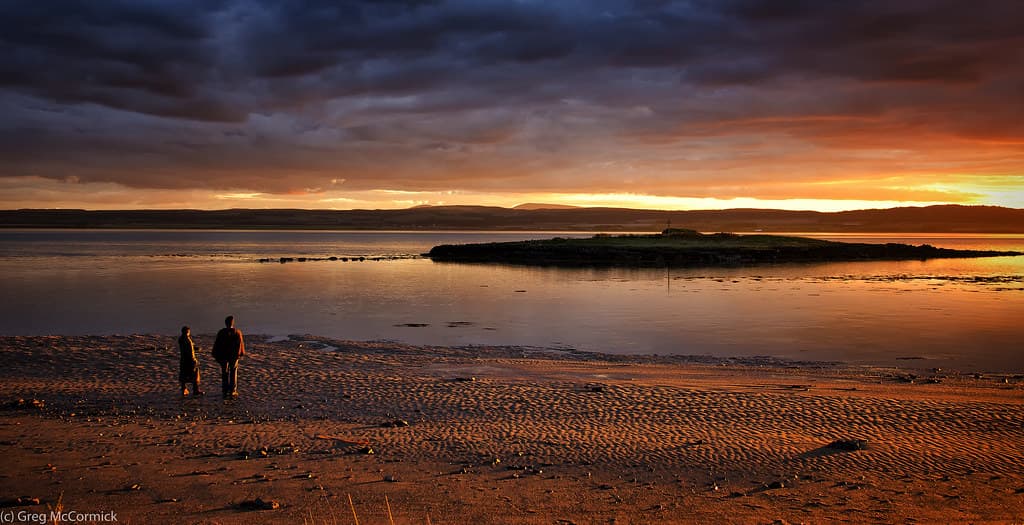
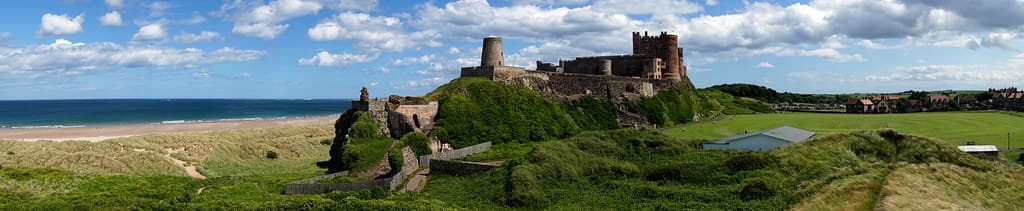
Holy Island Sands are an integral part of the mystical allure of Lindisfarne, a tidal island accessible only by a causeway at specific times. These vast, atmospheric sands and mudflats are not your typical sunbathing beach, but rather a landscape of profound historical and ecological significance. The journey across the causeway itself is an experience, a crossing of the threshold into a different world, where the rhythm of the sea dictates access. Once on the island, the sands stretch out, offering panoramic views of the North Sea and the distant mainland. The air is often crisp, carrying the scent of salt and seaweed, and the silence is broken only by the cries of seabirds. This is a place for contemplative walks, for feeling the vastness of nature, and for imagining the monks who once traversed these very shores centuries ago. The iconic Lindisfarne Castle and Priory stand sentinel, their ancient stones adding to the powerful sense of place. The ecological importance of these sands is immense, serving as a vital habitat for countless bird species, especially during migration. Birdwatchers will find it a paradise, with waders and wildfowl dotting the landscape. Whether you're tracing the footsteps of saints, capturing the dramatic light on the castle, or simply absorbing the unique, tranquil atmosphere, Holy Island Sands offer an unparalleled, deeply moving coastal experience that transcends the ordinary.
Places, rentals, tours and events within walking and driving distance of Holy Island Sands.
Photos
Swimming at Holy Island Sands requires extreme caution due to the strong tidal currents and the causeway's tidal nature. The water can be cold, and conditions can change rapidly. There are no lifeguards. It is crucial to be aware of the tide times and never attempt to cross the causeway when the tide is coming in or going out. It's generally recommended to enjoy the scenic beauty from the shore rather than swimming.
The best time to visit Holy Island Sands for its unique atmosphere and fewer crowds is often during the shoulder seasons (spring or autumn) or on weekdays outside of peak summer. Always check the tide tables before planning your visit, as access to the island is restricted twice daily. Visiting early in the morning or later in the afternoon can also provide a more tranquil experience, especially when the tide allows.
Access to Holy Island Sands is via a tidal causeway from the mainland. It is absolutely essential to check the safe crossing times before you travel, as the causeway is submerged twice daily. There is parking available on Holy Island once you have crossed. Do not attempt to cross outside of the safe times, as it is extremely dangerous. Information on safe crossing times is widely available online and locally.
Yes, Holy Island (Lindisfarne) has a small village with a selection of pubs, cafes, and guesthouses. These establishments cater to visitors, offering various food and drink options, as well as accommodation. However, given the island's popularity and limited capacity, especially during peak season, it is highly advisable to book any lodging or make dining reservations well in advance, particularly if you plan an overnight stay.
Holy Island Sands is unique due to its dramatic tidal landscape, which creates a constantly changing and atmospheric environment. The views of Lindisfarne Castle, the Priory ruins, and the vast, often deserted sands, especially at sunrise or sunset, offer incredibly photogenic opportunities. The sense of isolation and history, combined with the natural beauty of the tidal flats, makes it a truly 'Instagrammable' and memorable location.