
Counting the waves…
Counting the waves…

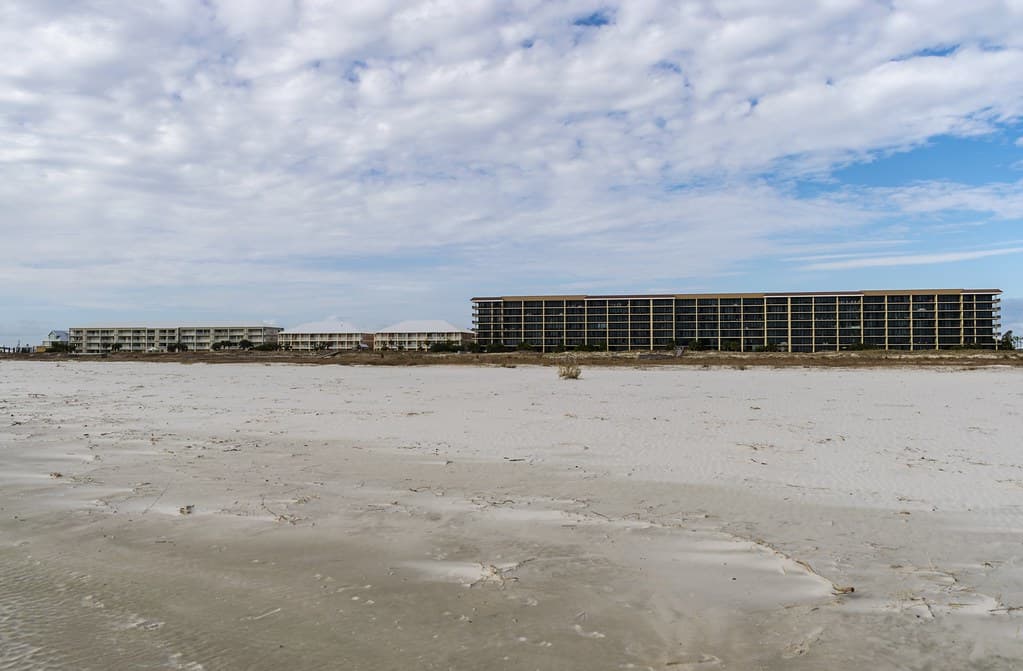
East End Beach occupies the undeveloped expanse where Dauphin Island tapers into the Gulf, a landscape governed by wind, tide, and the migratory rhythms of birds funneling through the Alabama coast. You'll find no boardwalks or concession stands here—just miles of open sand interrupted by driftwood, tidal pools, and the occasional relic of a storm. The shore curves gently, shallow enough that you can wade a hundred feet out and still feel sand beneath your toes, the water temperature hovering near eighty degrees through summer. The island itself serves as a critical stopover on the Mississippi Flyway, and during spring and fall you'll share the beach with birders clutching binoculars, tracking warblers and tanagers that have just crossed the Gulf. Low dunes anchored by sea oats provide the only shelter from the sun, and the lack of crowds means you'll hear the wind before you hear voices. Waves here roll in gently, their energy spent crossing the shallow continental shelf. Come prepared: bring your own shade, drinking water, and snacks. The eastern tip remains largely untouched by development, a rarity along the Gulf Coast where high-rises typically wall off the view. What you get instead is a shoreline that feels provisional, shaped by hurricanes and nor'easters, where every visit reveals a slightly different beach than the one you left behind.
Places, rentals, tours and events within walking and driving distance of East End Beach.
Photos
Swimming conditions at East End Beach are generally calm since it faces the Mississippi Sound rather than the open Gulf. The waters are typically shallow and gentle, making it suitable for families with children. However, always check local advisories for jellyfish, especially in summer months. The beach has no lifeguards on duty, so swim at your own risk. Watch for stingrays in shallow water and shuffle your feet when entering. Strong currents can occur during storms or high winds, so avoid swimming during inclement weather.
East End Beach is accessible year-round, with each season offering different experiences. May through September brings warm water temperatures ideal for swimming, though these months see more crowds and higher accommodation prices. Spring and fall offer pleasant weather with fewer visitors, perfect for beachcombing and birdwatching. Winter provides solitude and excellent bird migration viewing, though water is too cold for most swimmers. Summer temperatures average 85-90°F, while hurricane season runs June through November, requiring weather monitoring before visiting.
East End Beach is located at the eastern tip of Dauphin Island, accessible via Bienville Boulevard, the island's main road. From Mobile, cross the Dauphin Island Bridge (toll applies for non-residents). Free public parking is available at the East End public beach access areas along Bienville Boulevard. The beach is approximately 3 miles from the island's main commercial area. No ferry is required. Parking fills quickly on summer weekends, so arrive early. The eastern end is also near the Dauphin Island Sea Lab and Audubon Bird Sanctuary.
The East End area itself is primarily residential with limited commercial development. Most restaurants and shops are located 2-3 miles west toward the island's center, including seafood restaurants, casual dining, and a grocery store. Lodging near East End Beach consists mainly of vacation rental homes and condos rather than hotels. The island's west end has more dining variety and accommodations. Many visitors bring coolers and picnic supplies. No beachfront facilities or concessions exist directly at East End Beach, so plan accordingly and bring necessary supplies.
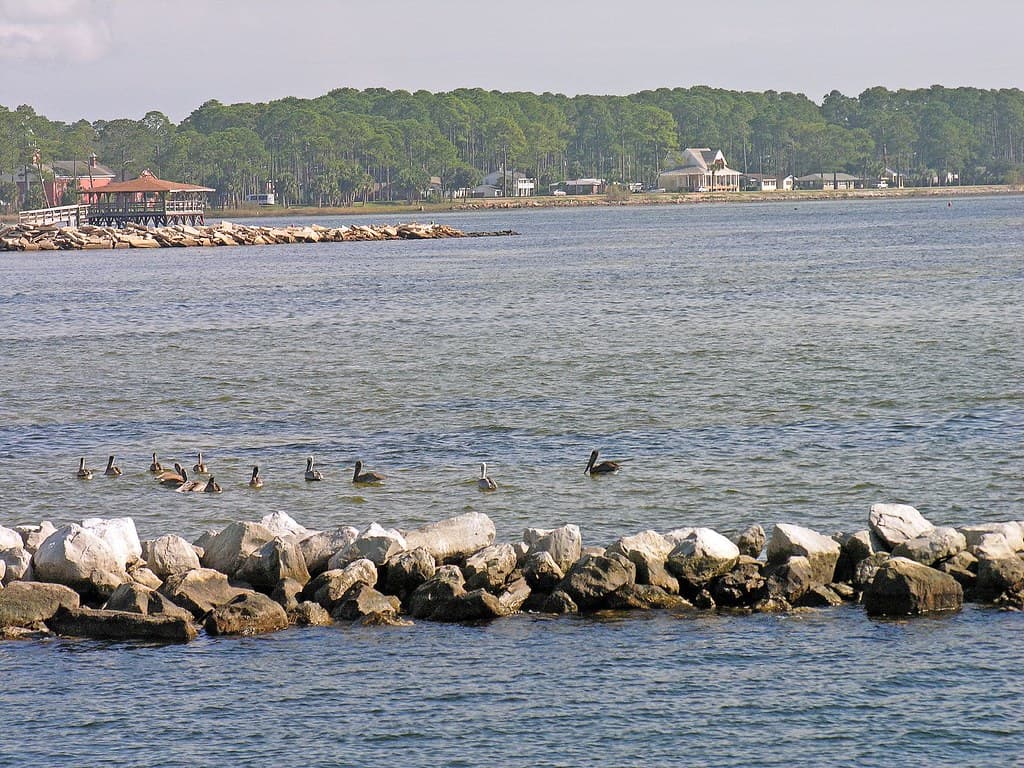
East End Beach offers a quieter, more natural experience than the island's public beaches near the Fort Gaines area. Its location on the Mississippi Sound side means calmer waters compared to Gulf-facing beaches. The area is renowned for exceptional bird watching, particularly during spring and fall migrations, with the nearby Audubon Sanctuary attracting rare species. The beach changes dramatically over time due to natural sand movement and hurricane impacts, creating a dynamic shoreline. It's also closer to viewing dolphins and offers stunning views of Mobile Bay's eastern shore.