
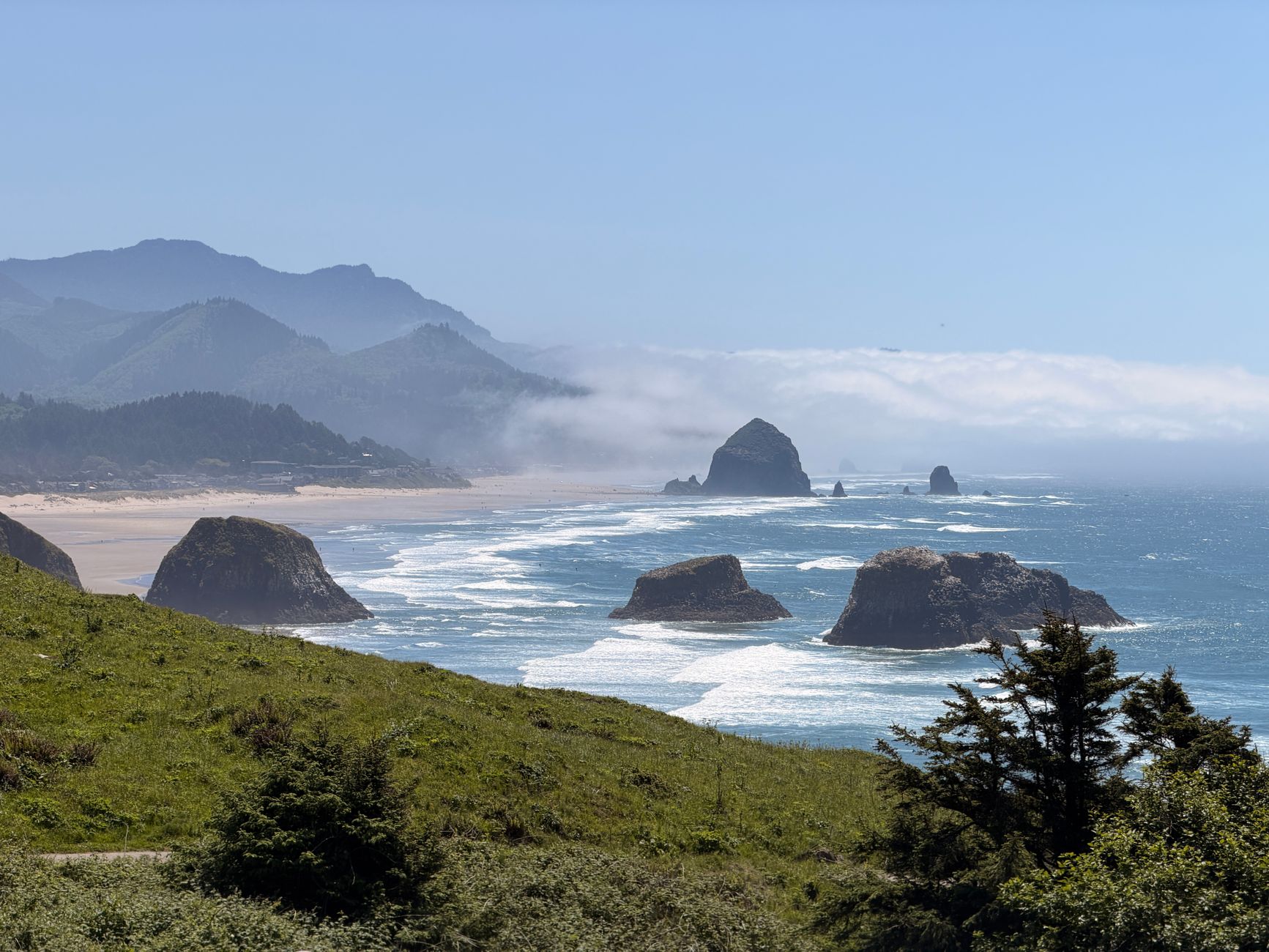
Counting the waves…
Counting the waves…
A refined fusion of water purity, environmental stability, and communal vibrancy for Chevak Coastal Beach.
View MethodologyAnalyzed via live sensors and environmental data.
Wave height, wind, and atmospheric stability.
Live footfall and crowd balance metrics.
Community reviews and curated sentiment.
“You arrive by air, stepping onto a beach where driftwood bleaches silver against volcanic sand and ice floes drift past in spring. The wind carries salt and the calls of emperor geese. This is Alaska's Yukon-Kuskokwim…”
Limited recent visitor reports — live OBI telemetry is your best guide for current conditions.
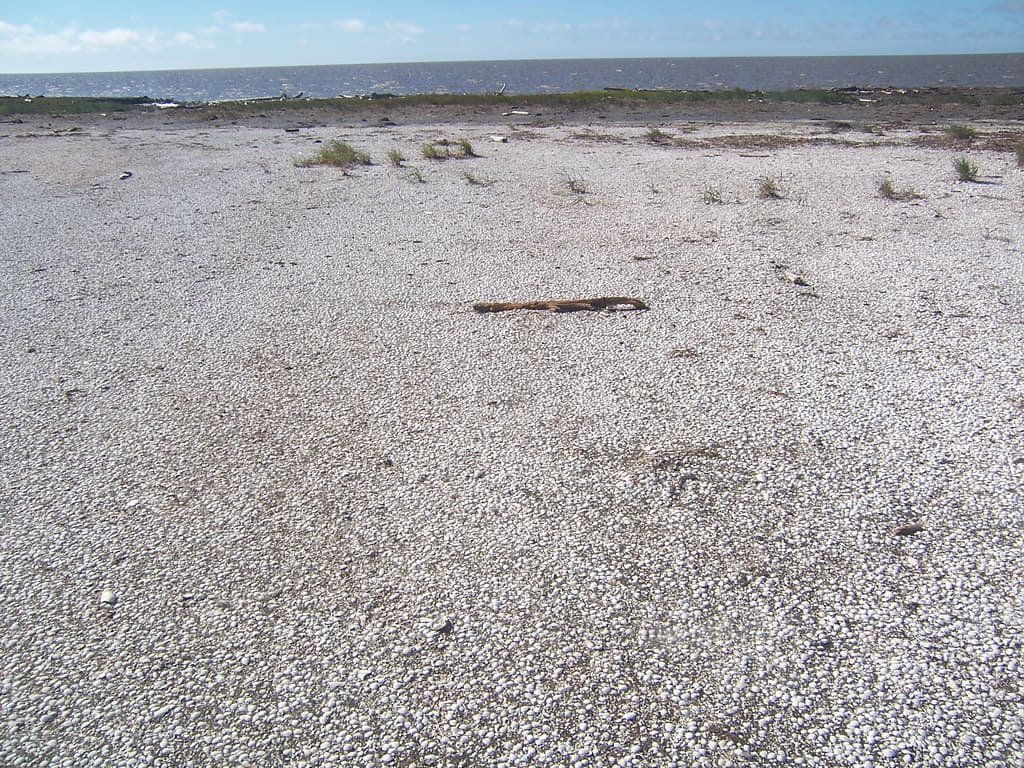
Chevak Coastal Beach unfolds along the Bering Sea in a landscape so flat the horizon becomes a question mark. Driftwood logs, smoothed by storms and stacked by winter ice, form skeletal sculptures along the dark sand. In summer, the midnight sun hangs low, casting amber light across eelgrass beds where seals surface to breathe. Come winter, pack ice grinds against the shore with sounds like distant thunder, and the aurora borealis ripples green overhead.
You reach this Yup'ik village only by small plane—no roads connect Chevak to the outside world. The beach stretches in both directions, empty except for fishing nets drying on racks and the occasional skiff pulled above the tide line. Sandhill cranes pass overhead during migration, their calls echoing across wetlands that seem to merge with sky. The water temperature hovers near freezing year-round, but the vastness draws you in.
Credit: PexelsPhotograph Driftwood Sculptures
Ice-stacked logs against tundra sky
Miles of untracked volcanic sand
Spot ringed seals in eelgrass
Where it is
Chevak Coastal Beach
Chevak, Alaska, USA
61.528800°, -165.598500°
Weather
Loading…
Swell
—
Temp
Warm · Restorative
UV Index
Moderate
Wind
—
Tidal State
Last known
Max Sunlight
—
Ideal Shade
—
May - Sep (Peak)
Jan - Dec (Off-season)
Historical data suggests peak visibility and stable sea temperatures occur during the prime visitation window.
Select a category to load nearby places.
Unlock restaurants, luxury stays and curated maritime experiences within 2km
Swimming at Chevak Coastal Beach is not recommended for most visitors. The waters of the Bering Sea are extremely cold year-round, typically ranging from 32-50°F, posing serious hypothermia risks. Strong currents and unpredictable weather conditions add to the danger. The beach is better suited for coastal walks, wildlife observation, and photography rather than water activities. If you venture near the water, always maintain a safe distance from the shoreline and dress in layers for the cold, windy conditions typical of Alaska's western coast.
Summer months from June through August offer the most accessible conditions for visiting Chevak Coastal Beach, with temperatures ranging from 45-60°F and extended daylight hours. However, weather remains unpredictable with frequent fog, wind, and rain even in summer. Winter visits from November to March mean extreme cold, limited daylight, and potential whiteout conditions. Spring and fall bring milder temperatures but variable weather. Regardless of season, visitors should prepare for rapid weather changes and pack warm, waterproof clothing suitable for Arctic coastal conditions.
Chevak is a remote Yup'ik village accessible only by air or boat—there are no roads connecting it to other communities. You'll need to fly via small aircraft from Bethel, which itself requires a flight from Anchorage. The village is small and walkable, so reaching the coastal beach typically involves walking from the village center. There is no formal parking infrastructure since private vehicles are rare in Chevak. Visitors should arrange local transportation and permissions through village contacts, as Chevak is primarily a local subsistence community with limited tourist facilities.
Chevak has extremely limited visitor amenities. There are no hotels or restaurants catering to tourists. The village has a few small stores selling basic supplies at high prices due to remote location shipping costs. Visitors typically arrange homestays with local families or coordinate accommodations through Native Corporation contacts well in advance. It's essential to bring most of your food and supplies from Bethel or Anchorage. Respect local customs and understand that Chevak is a tight-knit subsistence community where tourism infrastructure is minimal to nonexistent.
Chevak Coastal Beach offers excellent opportunities for observing Arctic and subarctic wildlife. The area is important for migratory seabirds, and you may spot various waterfowl, shorebirds, and occasionally marine mammals like seals along the coast. The surrounding tundra supports caribou, foxes, and numerous bird species. Timing matters—summer brings nesting birds and extended daylight for wildlife watching, while spring and fall migrations can be spectacular. Always observe wildlife from a respectful distance and be aware that locals depend on these animals for subsistence hunting and fishing.
Photos