
Counting the waves…
Counting the waves…
A refined fusion of water purity, environmental stability, and communal vibrancy for Chignik Lagoon Beach.
View MethodologyAnalyzed via live sensors and environmental data.
Wave height, wind, and atmospheric stability.
Live footfall and crowd balance metrics.
Community reviews and curated sentiment.
“You'll reach Chignik Lagoon Beach by puddle-jumper or fishing boat, stepping onto dark volcanic sand where eagles outnumber people ten to one. The lagoon's brackish water reflects snowfields on days the fog lifts, while…”
Limited recent visitor reports — live OBI telemetry is your best guide for current conditions.
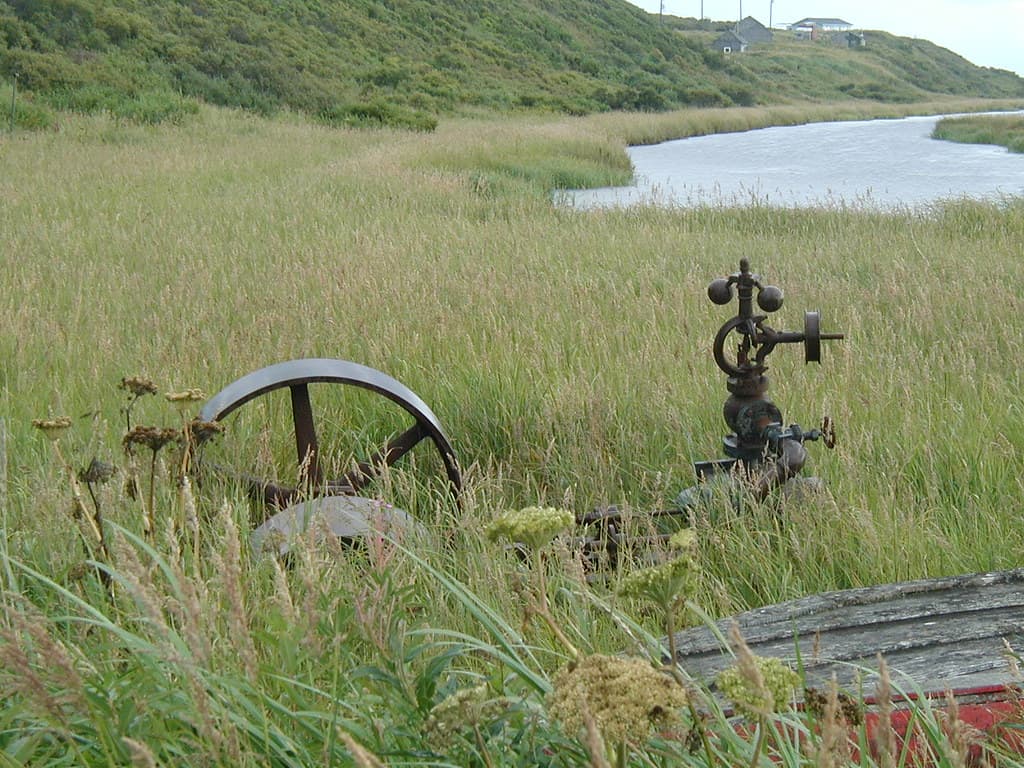
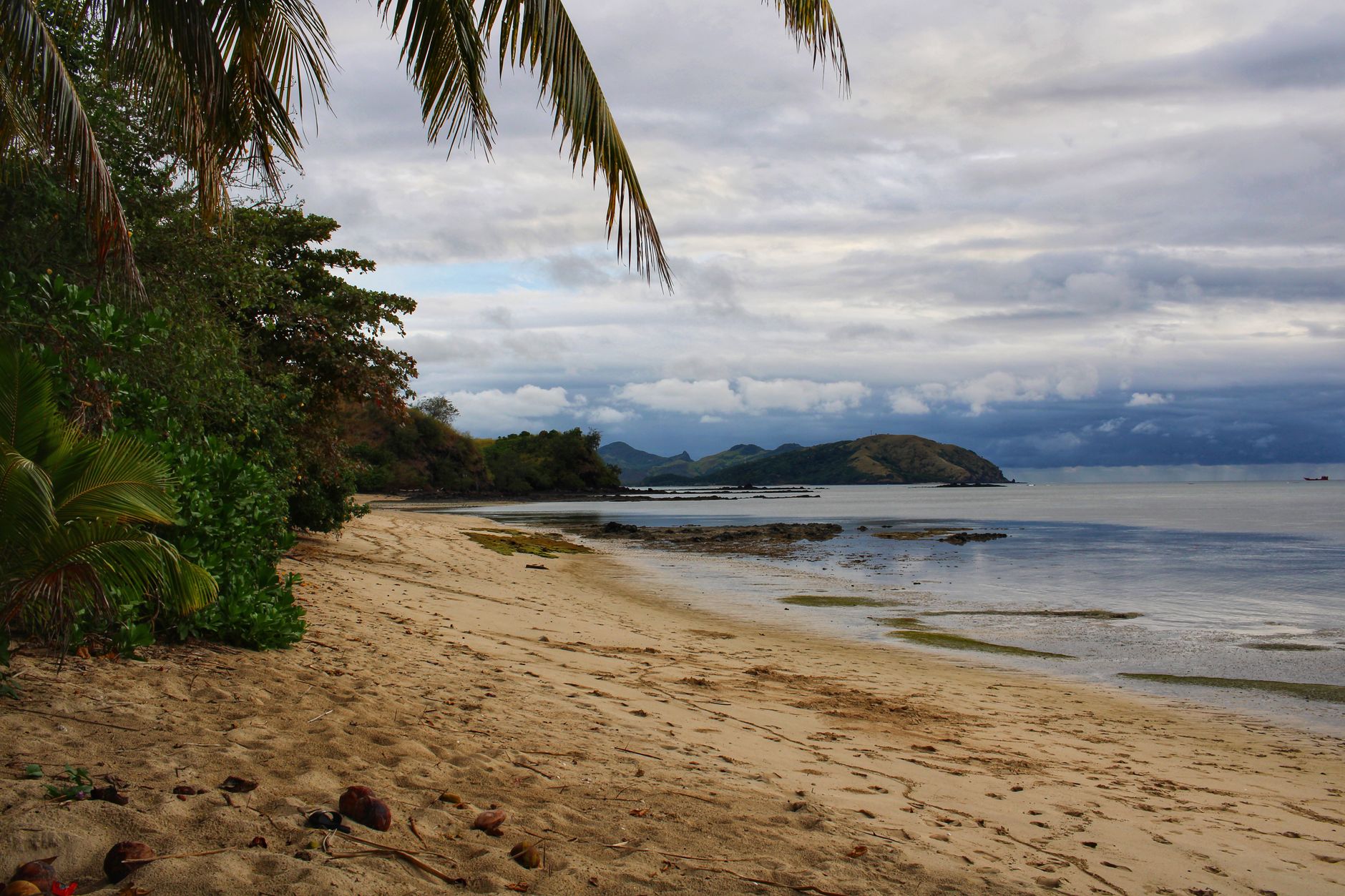
Chignik Lagoon Beach unfolds along a narrow spit separating the Pacific from a landlocked tidal basin, where the Aleutian Range rises abruptly from the waterline. The sand here carries the weight of ash and erosion—charcoal-gray stretches interrupted by driftwood logs bleached bone-white by salt and sun. When the wind drops, you'll hear the rhythmic slap of waves against the outer shore and the quieter lapping of lagoon water behind you, two entirely different conversations happening simultaneously.
The village of roughly seventy souls depends on salmon, and during July's sockeye runs the beach becomes a staging ground for skiffs and nets. You'll see aluminum boats pulled high above the tide line, orange buoys stacked in tangles, and the occasional brown bear lumbering along the surf at dawn. The weather shifts without warning—bluebird mornings dissolving into horizontal rain by lunch—so your rain shell stays within arm's reach even when the sun feels generous.
Dawn prints in wet sand
Calm water behind the spit
Driftwood maze at high tide
Where it is
Chignik Lagoon Beach
Chignik, Alaska, USA
56.301200°, -158.401000°
Weather
Loading…
Swell
—
Temp
Warm · Restorative
UV Index
Moderate
Wind
—
Tidal State
Last known
Max Sunlight
—
Ideal Shade
—
May - Sep (Peak)
Jan - Dec (Off-season)
Historical data suggests peak visibility and stable sea temperatures occur during the prime visitation window.
Select a category to load nearby places.
Unlock restaurants, luxury stays and curated maritime experiences within 2km
Swimming at Chignik Lagoon Beach is generally not recommended due to extremely cold water temperatures year-round, typically ranging from 40-55°F even in summer. The remote Alaskan location means no lifeguards are present, and medical facilities are limited in this small community. Strong currents can occur in the lagoon's outlet areas. Visitors should wear appropriate cold-weather gear and be aware of rapidly changing weather conditions. Wildlife, including bears, frequent coastal areas, so maintain safe distances and follow bear safety protocols at all times.
Summer months (June through August) offer the most accessible conditions with temperatures ranging from 50-60°F and up to 18 hours of daylight. However, Chignik experiences frequent rain and wind year-round, so weatherproof clothing is essential regardless of season. Fall offers spectacular scenery with fewer visitors, while winter brings dramatic storms and limited daylight but stunning aurora viewing opportunities. Salmon runs peak in July and August, attracting wildlife viewers. Weather can be unpredictable any time of year, so prepare for rapidly changing conditions.
Chignik Lagoon is accessible only by small aircraft or boat, with no road connections to other communities. Scheduled flights operate from King Salmon or Port Heiden via regional carriers like PenAir, weather permitting. The community has a small airstrip suitable for light aircraft. Once in Chignik Lagoon, the beach is within walking distance of the village center—this tiny community has no paved roads or formal parking areas. Plan for flight delays due to frequent weather-related cancellations, and book flights well in advance during summer months.
Chignik Lagoon is an extremely remote village with very limited visitor amenities. There are no hotels, restaurants, or grocery stores catering to tourists. Accommodations typically require pre-arranged homestays or lodging with local residents, often organized through fishing lodges in the area. Visitors should bring most supplies from Anchorage or larger towns, as the local store carries only basic necessities. Some fishing charter operations may offer meals and lodging packages. Always arrange accommodations well before arrival, as options are extremely limited in this small fishing community.
Brown bears are frequently seen along Chignik Lagoon Beach and throughout the area, especially during salmon spawning season from July through September. The beach and nearby streams attract bears feeding on abundant fish runs, making wildlife viewing opportunities excellent but requiring serious safety precautions. Always carry bear spray, make noise while walking, never approach bears, and maintain at least 50 yards distance. Store food properly and never leave it unattended. Local residents can provide current information about bear activity and safe viewing practices.