
Counting the waves…
Counting the waves…
A refined fusion of water purity, environmental stability, and communal vibrancy for Nushagak Bay Beach.
View MethodologyAnalyzed via live sensors and environmental data.
Wave height, wind, and atmospheric stability.
Live footfall and crowd balance metrics.
Community reviews and curated sentiment.
“You'll walk shorelines where brown bears fish at dawn and bald eagles wheel overhead, the scent of salt marsh mixing with wild lupine. This remote beach on the edge of the world's most productive salmon fishery rewards…”
Limited recent visitor reports — live OBI telemetry is your best guide for current conditions.
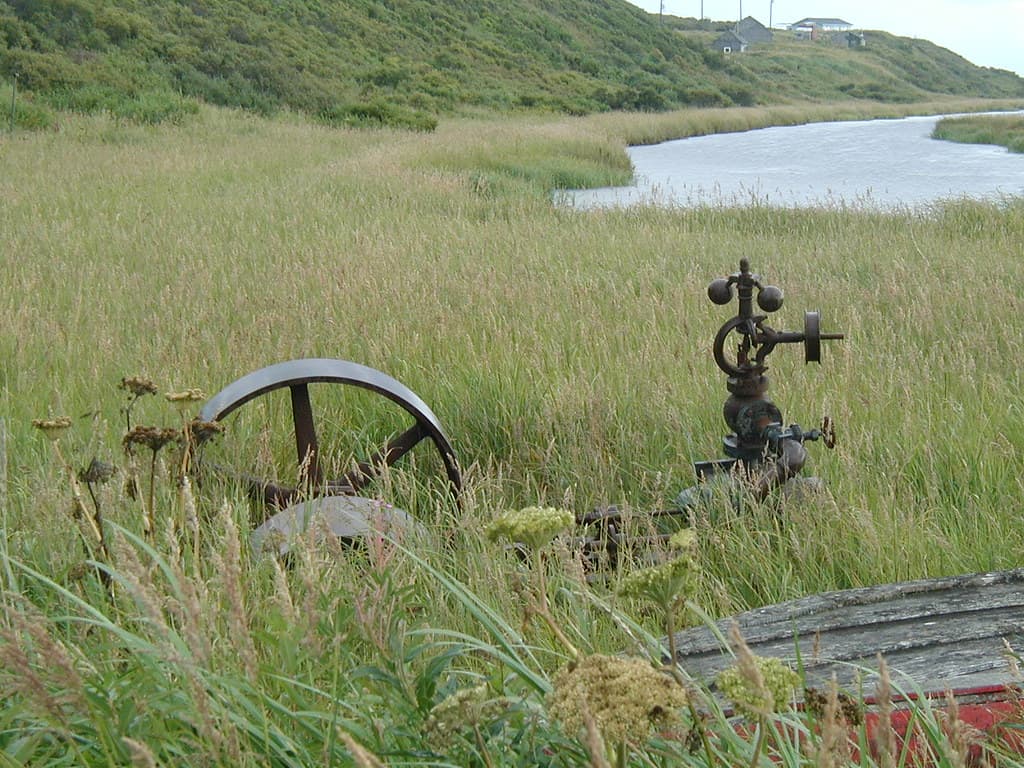
Nushagak Bay Beach stretches along the edge of Dillingham, a fishing village of 2,300 souls at the confluence of two rivers that empty into Bristol Bay. The beach itself is a study in tidal extremes—during low tide, mudflats extend for what seems like miles, revealing clam beds and channels where seals haul out on exposed sandbars. When the tide rushes back in, propelled by some of the strongest tidal forces in the northern Pacific, it transforms the landscape in hours.
The shore is framed by tundra grasses that turn copper and crimson in autumn, and the air carries the mineral smell of exposed mud mixed with the sweetness of crowberry and Labrador tea. Scan the tree line and you'll often spot moose browsing willows, while offshore, beluga whales occasionally surface in pods. This is working Alaska—fishing boats motor past weathered docks, and the rhythm of commercial salmon season dictates the town's pulse from June through September.
Wide white-sand beach with footprints
Cliff-edge cove with emerald water
Brown bears feeding at dawn
Low tide reveals miles of mudflats
Watch traditional fish processing methods
Where it is
Nushagak Bay Beach
Dillingham, Alaska, USA
59.051400°, -158.457500°
Weather
Loading…
Swell
—
Temp
Warm · Restorative
UV Index
Moderate
Wind
—
Tidal State
Last known
Max Sunlight
—
Ideal Shade
—
May - Sep (Peak)
Jan - Dec (Off-season)
Historical data suggests peak visibility and stable sea temperatures occur during the prime visitation window.
Select a category to load nearby places.
Unlock restaurants, luxury stays and curated maritime experiences within 2km
Swimming at Nushagak Bay Beach is generally not recommended due to extremely cold water temperatures year-round, typically ranging from 32-50°F. The bay experiences strong tidal currents and unpredictable conditions that pose safety risks. Most visitors come for beachcombing, wildlife viewing, and scenic photography rather than water activities. If you plan to wade or boat, wear appropriate cold-water gear and check tide schedules. Always inform someone of your plans and never venture out alone in this remote Alaskan environment.
The best time to visit Nushagak Bay Beach depends on your interests. Summer (June-August) offers the mildest weather with temperatures around 50-65°F, long daylight hours, and peak salmon runs that attract wildlife. However, the beach is accessible year-round. Spring and fall bring excellent bird migration viewing opportunities. Winter visits offer stark, dramatic scenery but require preparation for harsh conditions with temperatures often below freezing. Regardless of season, pack layers and waterproof clothing as weather can change rapidly in this coastal Alaskan location.
Nushagak Bay Beach is accessible only by air, as Dillingham has no road connections to other cities. You'll need to fly into Dillingham Airport via commercial flights from Anchorage (approximately 300 miles away). Once in Dillingham, the beach is reachable by local roads, and you can rent a vehicle, arrange a taxi, or walk from town depending on the specific beach access point. Parking is generally informal and limited. Due to Dillingham's remote location, advance planning for transportation and accommodation is essential.
Dillingham is a small community with limited but adequate services. You'll find several hotels, lodges, and bed-and-breakfasts in town, though options are fewer than in larger cities, so book ahead. Local restaurants and grocery stores serve basic needs, with some establishments offering fresh seafood. The beach itself has no facilities—no restrooms, concessions, or services—so come prepared with supplies. Many visitors stay at fishing lodges that cater to anglers. Cell service can be unreliable, and amenities close early, so plan accordingly for this remote destination.
Nushagak Bay Beach is exceptional for wildlife viewing, particularly during salmon runs when brown bears fish along the shoreline and riverbanks. The area attracts bald eagles, seabirds, and various waterfowl throughout the year. Seals often appear in the bay waters. During migrations, you may spot caribou in the region. The Nushagak River system supports one of the world's largest sockeye salmon runs. Always maintain safe distances from wildlife, especially bears, and carry bear spray. Consider hiring a local guide for safer, more informative wildlife viewing experiences.
Photos