Counting the waves…
Counting the waves…
A refined fusion of water purity, environmental stability, and communal vibrancy for Diamond Creek Beach.
View MethodologyAnalyzed via live sensors and environmental data.
Wave height, wind, and atmospheric stability.
Live footfall and crowd balance metrics.
Community reviews and curated sentiment.
“You'll scramble over smooth black basalt stones to reach Diamond Creek Beach, where the air smells of kelp and spruce. The beach sits tucked beneath bluffs along Kachemak Bay, accessible year-round when most Alaskan…”
Limited recent visitor reports — live OBI telemetry is your best guide for current conditions.
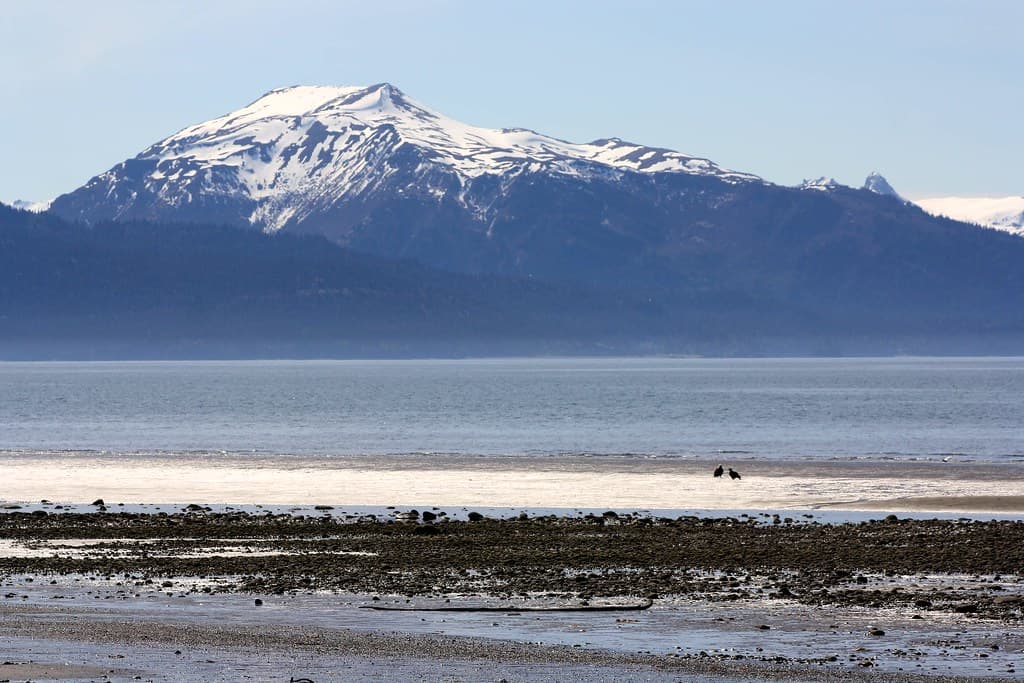
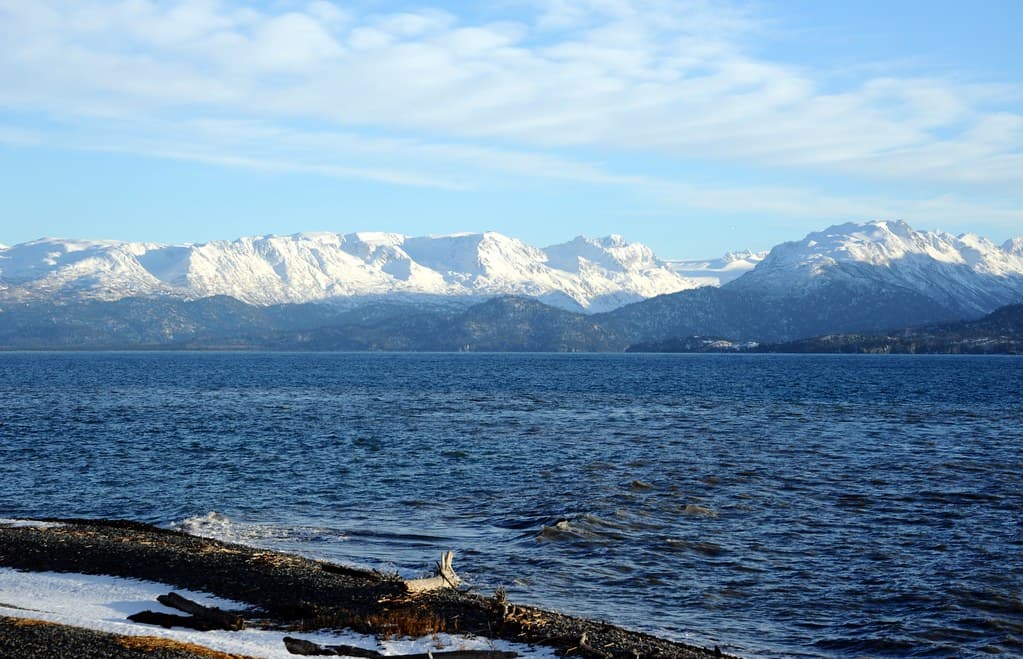
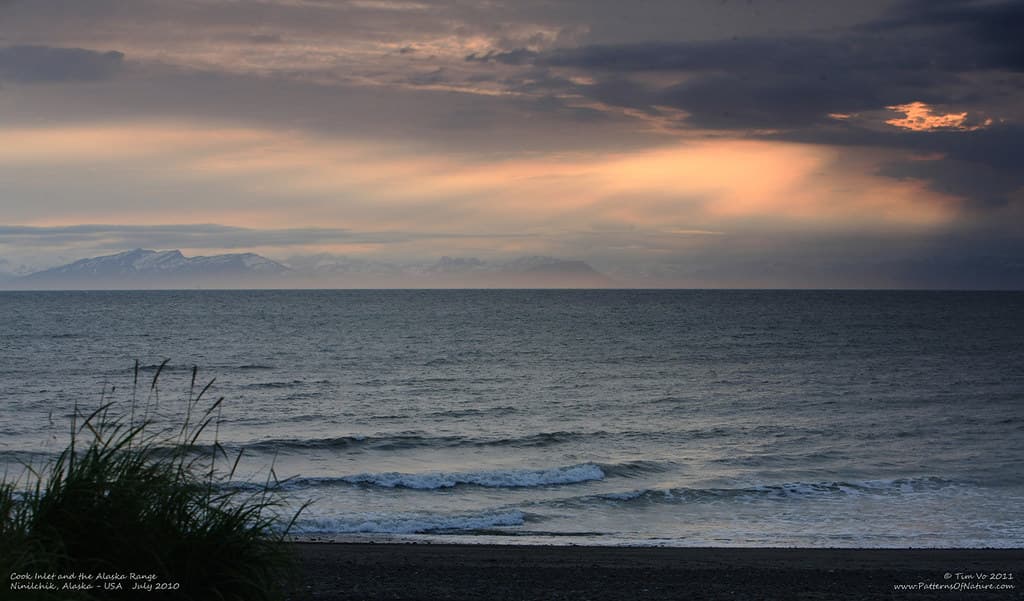
The first thing you notice isn't the beach itself but the sound: waves tumbling stones the size of grapefruits, a constant low rumble that drowns out everything but the occasional cry of a bald eagle overhead. Diamond Creek Beach stretches along a wild curve of Kachemak Bay, fifteen minutes from downtown Homer, yet it feels continents away from the tourist bustle of the Spit. Glacial sediment clouds the water gray-green, and the shore is all dark stone—no sand, no lounging, just honest Alaskan coastline.
You've come here to watch, not to swim. Gray whales breach offshore during spring and fall migrations, their exhalations visible as vertical mist. Sea otters wrap themselves in kelp beds just beyond the breakers. The tide pools trapped among the rocks hold purple starfish, hermit crabs, and green anemones that close when you cast a shadow. Behind you, the Kenai Mountains rise snow-capped even in August, their flanks thick with Sitka spruce.
Crystal lagoon with rocky outcrop
White cliffs over a desert beach
Spring and fall migration windows
Low tide reveals starfish colonies
No facilities, bring hot coffee
Where it is
Diamond Creek Beach
Homer, Alaska, USA
59.717800°, -151.792600°
Weather
Loading…
Swell
—
Temp
Warm · Restorative
UV Index
Moderate
Wind
—
Tidal State
Last known
Max Sunlight
—
Ideal Shade
—
May - Sep (Peak)
Jan - Dec (Off-season)
Historical data suggests peak visibility and stable sea temperatures occur during the prime visitation window.
Select a category to load nearby places.
Unlock restaurants, luxury stays and curated maritime experiences within 2km
Swimming at Diamond Creek Beach is generally not recommended due to the extremely cold water temperatures of Kachemak Bay, which rarely exceed 50°F even in summer. The beach is better suited for beachcombing, tide pooling, and wildlife viewing. If you do enter the water, be aware of strong currents and tides that can be dangerous. Always check tide tables before visiting, as the area experiences significant tidal changes. Hypothermia is a serious risk, so most visitors enjoy the beach from shore rather than swimming.
Diamond Creek Beach is accessible year-round, but summer months (June through August) offer the most comfortable weather with temperatures ranging from 50-65°F and longer daylight hours for exploration. Spring and fall provide excellent opportunities for spotting migrating birds and marine wildlife with fewer crowds. Winter visits offer dramatic scenery and possible eagle sightings, though expect cold temperatures and shorter days. Low tide periods are ideal for tide pooling regardless of season. Check local tide charts before your visit to maximize your beach exploration time.
Diamond Creek Beach is located approximately 15 miles from downtown Homer along East End Road. From Homer, drive east on East End Road and look for beach access points and limited roadside parking near the Diamond Creek area. Parking is informal and space can be limited, especially during peak summer season. The beach requires a short walk down from the road. A vehicle is necessary as public transportation doesn't service this area. The road is generally maintained year-round, but winter conditions may require appropriate tires or chains.
Diamond Creek Beach has no on-site amenities, restrooms, or food services, so come prepared with supplies. The nearest restaurants and stores are back in Homer, about 15 miles away. Several lodging options exist along East End Road, including cabins, vacation rentals, and bed-and-breakfasts that offer scenic bay views. Homer's main commercial area provides full services including grocery stores, restaurants, and hotels. Plan to bring your own food, water, and use facilities before leaving Homer, as this is a remote, undeveloped beach access point.
Diamond Creek Beach offers excellent wildlife viewing opportunities throughout the year. Bald eagles are frequently spotted, especially in winter and during salmon runs. Sea otters, harbor seals, and occasionally whales can be seen in Kachemak Bay waters. The tide pools reveal starfish, anemones, and various marine invertebrates. Shorebirds are abundant during migration seasons. Brown bears occasionally visit the area, particularly during salmon season, so maintain awareness and practice proper bear safety. Binoculars enhance your wildlife watching experience at this scenic, less-crowded beach location.
Photos