Counting the waves…
Counting the waves…
A refined fusion of water purity, environmental stability, and communal vibrancy for Fossil Beach.
View MethodologyAnalyzed via live sensors and environmental data.
Wave height, wind, and atmospheric stability.
Live footfall and crowd balance metrics.
Community reviews and curated sentiment.
“You'll crouch over tide-smoothed fossils where spruce forest meets the North Pacific, fingers numb in fifty-degree water, scanning for bone fragments older than human memory. Wind carries the salt-iron smell of kelp…”
Limited recent visitor reports — live OBI telemetry is your best guide for current conditions.
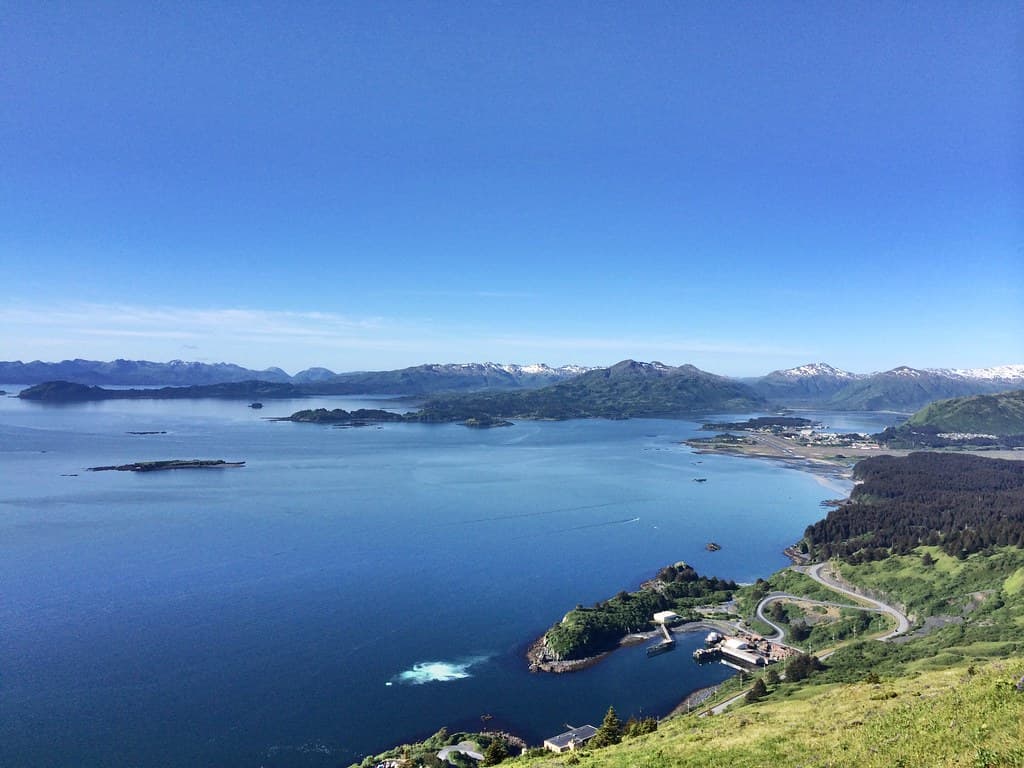
The beach reveals itself at low tide: a charcoal crescent framed by sitka spruce and hemlock, littered with remnants of creatures that roamed Alaska when glaciers still smothered the continent. You kneel in the surf wrack, turning over stones the size of your palm, searching for the telltale ivory gleam of fossilized bone. Paleontologists have logged mammoth molars, bison skulls, and sea cow ribs here—all tumbling from eroding bluffs that guard twenty-thousand-year-old secrets.
The hunt demands patience and a willingness to get wet. Waves slap your boots as you work the tide line, where storm surge deposits new specimens weekly. Bald eagles patrol from driftwood snags, their calls piercing the rhythmic crash of breakers. In summer, salmon carcasses draw bears to the creek mouth; in winter, humpback spouts punctuate the slate horizon.
Wide white-sand beach with footprints
Cliff-edge cove with emerald water
Best finds at low tide
Forest paths above the shoreline
Kelp beds twenty yards offshore
Where it is
Fossil Beach
Kodiak, Alaska, USA
57.867200°, -152.415800°
Weather
Loading…
Swell
—
Temp
Warm · Restorative
UV Index
Moderate
Wind
—
Tidal State
Last known
Max Sunlight
—
Ideal Shade
—
May - Sep (Peak)
Jan - Dec (Off-season)
Historical data suggests peak visibility and stable sea temperatures occur during the prime visitation window.
Select a category to load nearby places.
Unlock restaurants, luxury stays and curated maritime experiences within 2km
Swimming at Fossil Beach is not recommended due to extremely cold water temperatures year-round, typically ranging from 35-55°F. The strong currents and unpredictable tides in this area also pose significant safety risks. Most visitors come to explore tide pools, search for fossils, and enjoy scenic views rather than swim. Always maintain a safe distance from the water's edge, as sneaker waves can occur without warning. Wear sturdy footwear on the rocky shoreline and check tide schedules before visiting.
Fossil Beach can be visited year-round, though summer months (June-August) offer the mildest weather with temperatures around 50-65°F and longer daylight hours for exploration. Low tide periods are ideal for fossil hunting and tide pooling, so check local tide charts before your visit. Spring and fall provide fewer crowds but cooler, wetter conditions. Winter visits are possible but require preparation for harsh weather, shorter days, and potentially icy conditions. Regardless of season, always dress in layers and bring waterproof gear.
Fossil Beach is located on Kodiak Island, accessible only by plane or ferry from mainland Alaska. Once in Kodiak, you'll need a vehicle to reach the beach, which is approximately 4-5 miles south of the town of Kodiak via Rezanof Drive. The road is paved and suitable for most vehicles. Limited informal parking is available near the beach access point along the roadside. There are no formal parking lots or facilities. Be mindful of private property and park only in designated areas.
Fossil Beach itself has no amenities, restrooms, or food services on-site. You'll need to return to the town of Kodiak, about 10-15 minutes away by car, for restaurants, grocery stores, gas stations, and public restrooms. Kodiak offers various lodging options including hotels, bed and breakfasts, and vacation rentals. Pack all necessary supplies, including water, snacks, and any emergency items before heading to the beach. There are no trash receptacles, so plan to pack out everything you bring in.
Fossil Beach is known for marine fossils embedded in the sedimentary rock formations along the shore, including ancient shell fragments, coral, and occasionally marine vertebrate remains dating back millions of years. The best fossil hunting occurs during low tide when more rock surfaces are exposed. While you can observe and photograph fossils, collecting regulations may apply, so check with local authorities before removing any specimens. Bring a camera and field guide to document your discoveries. The geological formations themselves are fascinating even without fossil collecting.
Photos