

Counting the waves…
Counting the waves…
A refined fusion of water purity, environmental stability, and communal vibrancy for Port Moller Beach.
View MethodologyAnalyzed via live sensors and environmental data.
Wave height, wind, and atmospheric stability.
Live footfall and crowd balance metrics.
Community reviews and curated sentiment.
“You'll walk across black-sand flats that seem to vanish into the Bering Sea, where the air tastes of salt and tundra. The wind carries the cries of gulls and the distant roar of surf against ash-dark shores. This is…”
Limited recent visitor reports — live OBI telemetry is your best guide for current conditions.
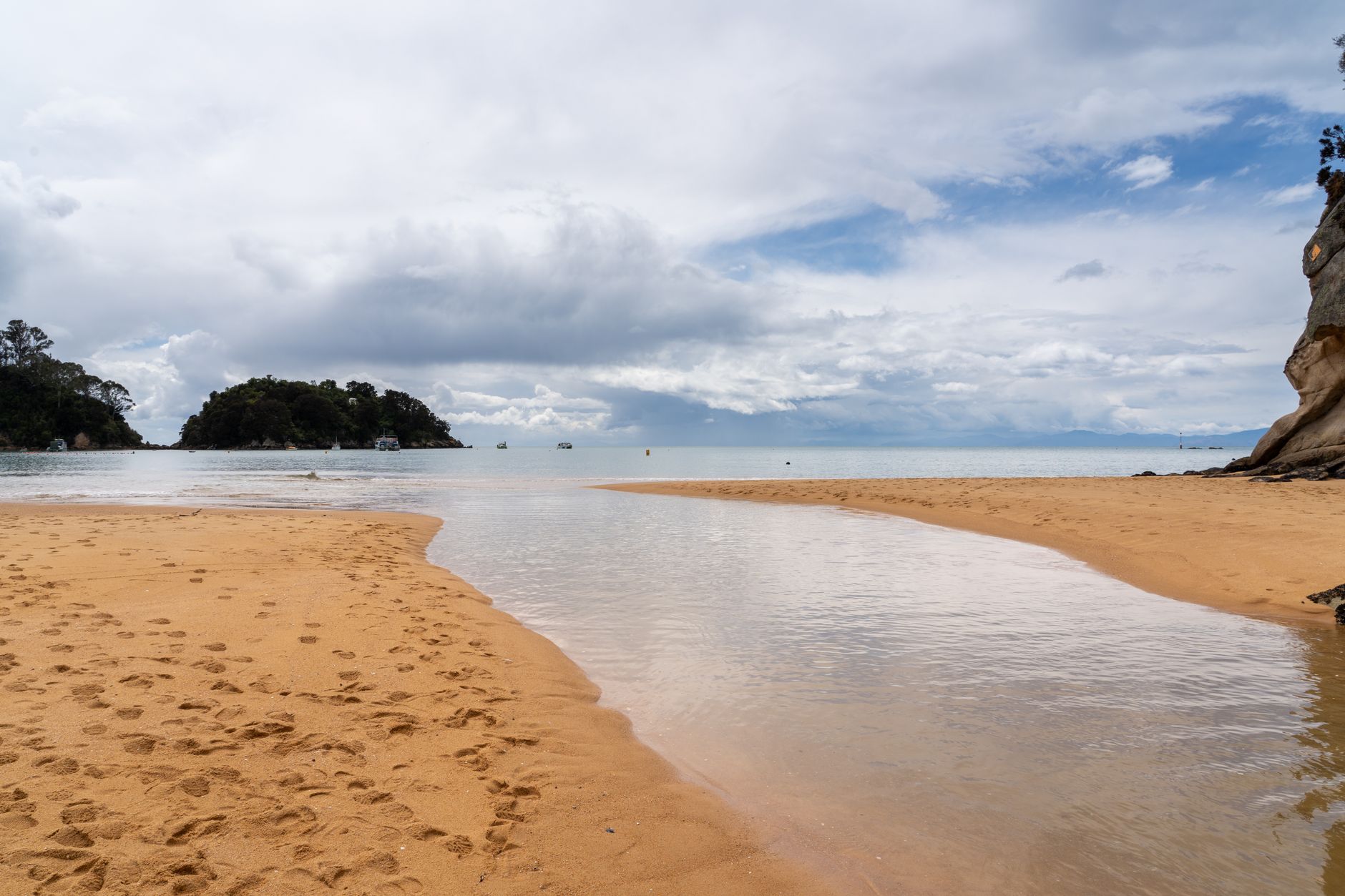
Port Moller Beach unfurls along the southern tip of the Alaska Peninsula, where the Bering Sea carves its moods into a shoreline shaped by volcanic eruptions and relentless tides. You'll step onto dark sand formed from ancient ash, fine as powdered charcoal beneath your boots, while the wind batters dune grass that clings to the edges of the earth. The beach runs for miles without interruption, a sweep of emptiness punctuated only by driftwood logs bleached white as bone and the occasional tracks of brown bears hunting razor clams at low tide.
The light here changes hourly. Morning fog rolls in thick, muffling the crash of breakers until the sun burns through to reveal Mount Veniaminof smoking on the horizon. By afternoon, the wind picks up from the west, driving spray inland and filling the air with brine. You won't find boardwalks or lifeguard towers—just the hiss of receding waves and the weight of solitude.
Aerial view of turquoise tropical bay
Wide white-sand beach with footprints
Photograph Mount Veniaminof's active plume
Walk miles of empty shoreline
Brown bears foraging at low tide
Where it is
Port Moller Beach
Port Moller, Alaska, USA
55.992600°, -160.573500°
Weather
Loading…
Swell
—
Temp
Warm · Restorative
UV Index
Moderate
Wind
—
Tidal State
Last known
Max Sunlight
—
Ideal Shade
—
May - Sep (Peak)
Jan - Dec (Off-season)
Historical data suggests peak visibility and stable sea temperatures occur during the prime visitation window.
Select a category to load nearby places.
Unlock restaurants, luxury stays and curated maritime experiences within 2km
Swimming at Port Moller Beach is generally not recommended due to frigid Bering Sea waters that remain dangerously cold year-round, typically between 35-50°F. Strong currents, unpredictable tides, and the extreme remoteness of the location pose additional safety concerns. There are no lifeguards or emergency services nearby. The beach is better suited for wildlife viewing, beachcombing, and photography rather than water activities. Always maintain a safe distance from the water's edge and be aware of rapidly changing weather conditions typical of coastal Alaska.
Summer months from June through August offer the most accessible conditions, with temperatures ranging from 45-60°F and extended daylight hours for exploration. However, weather remains highly unpredictable with frequent fog, wind, and rain even in summer. Spring and fall bring opportunities to observe migrating birds and marine wildlife, though conditions are harsher. Winter visits require extreme preparation due to severe weather, limited daylight, and potential isolation. Regardless of season, pack layers, waterproof gear, and prepare for sudden weather changes typical of Alaska's remote coastal regions.
Access to Port Moller Beach is extremely limited and challenging. The area has no road connections to Alaska's highway system. Most visitors arrive via small chartered aircraft from Cold Bay or King Salmon, landing on primitive airstrips. Some reach the area by boat. There are no developed parking facilities, paved roads, or tourist infrastructure. This is one of Alaska's most remote coastal areas, requiring careful planning, experienced guides, and appropriate wilderness equipment. Always arrange transportation and logistics well in advance through licensed operators familiar with the region.
Port Moller has virtually no tourist amenities, restaurants, or lodging facilities. This is an extremely remote wilderness area with minimal infrastructure. Visitors must be completely self-sufficient, bringing all food, camping equipment, and supplies. The nearest communities with basic services are Cold Bay and King Salmon, both requiring air or boat travel. There are no stores, restrooms, or emergency services at Port Moller. Only experienced wilderness travelers should visit, preferably with guides who provide logistical support. Plan for total self-reliance in a true backcountry environment.
Port Moller Beach offers exceptional wildlife viewing opportunities in a pristine habitat. Brown bears frequently forage along the shoreline, particularly during salmon runs. Marine mammals including sea otters, harbor seals, and occasionally whales can be spotted offshore. The area is renowned among birders for massive seasonal concentrations of shorebirds and waterfowl, including rare species. Bald eagles are commonly seen. Always maintain safe distances from all wildlife, especially bears, and carry bear deterrents. The remoteness means animals are truly wild and unpredictable, requiring constant vigilance and respect for their habitat.
Photos