Counting the waves…
Counting the waves…

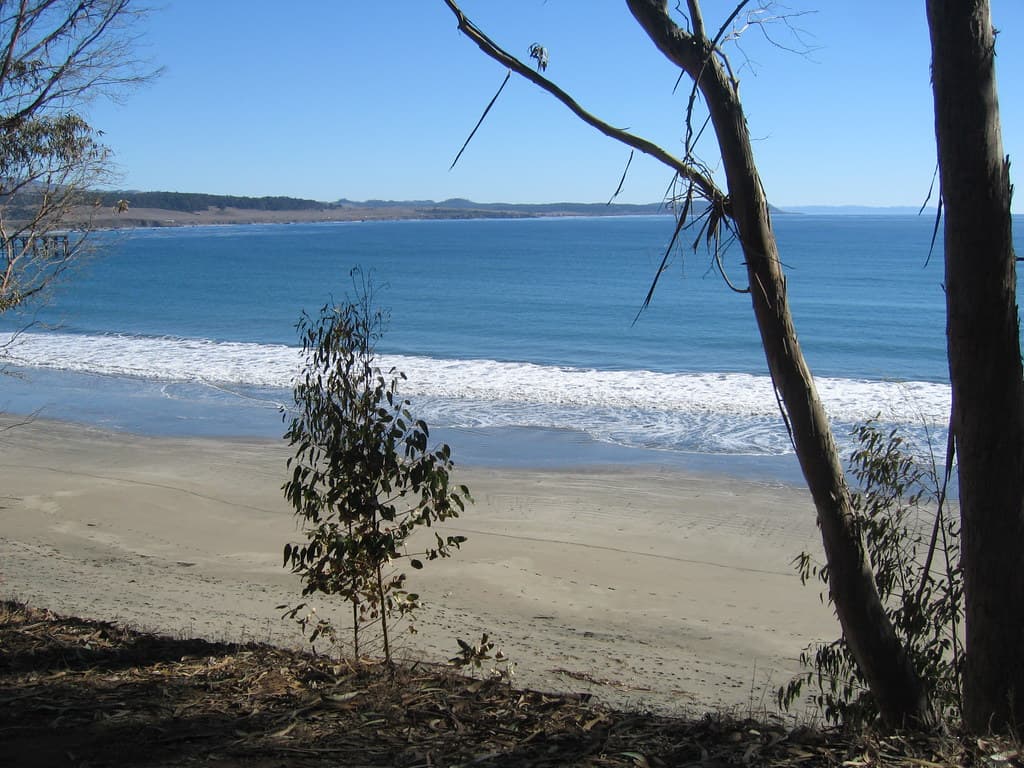
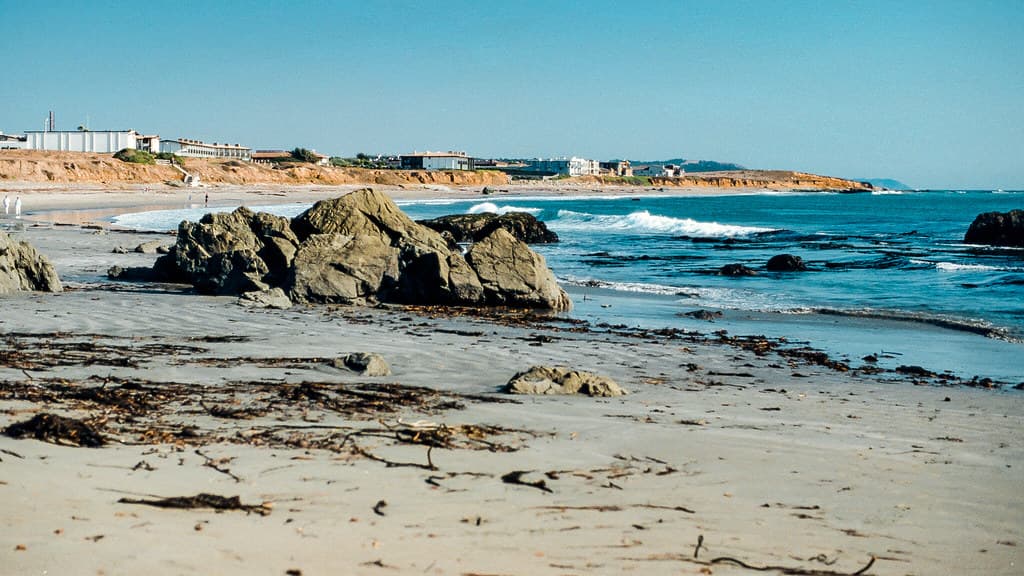
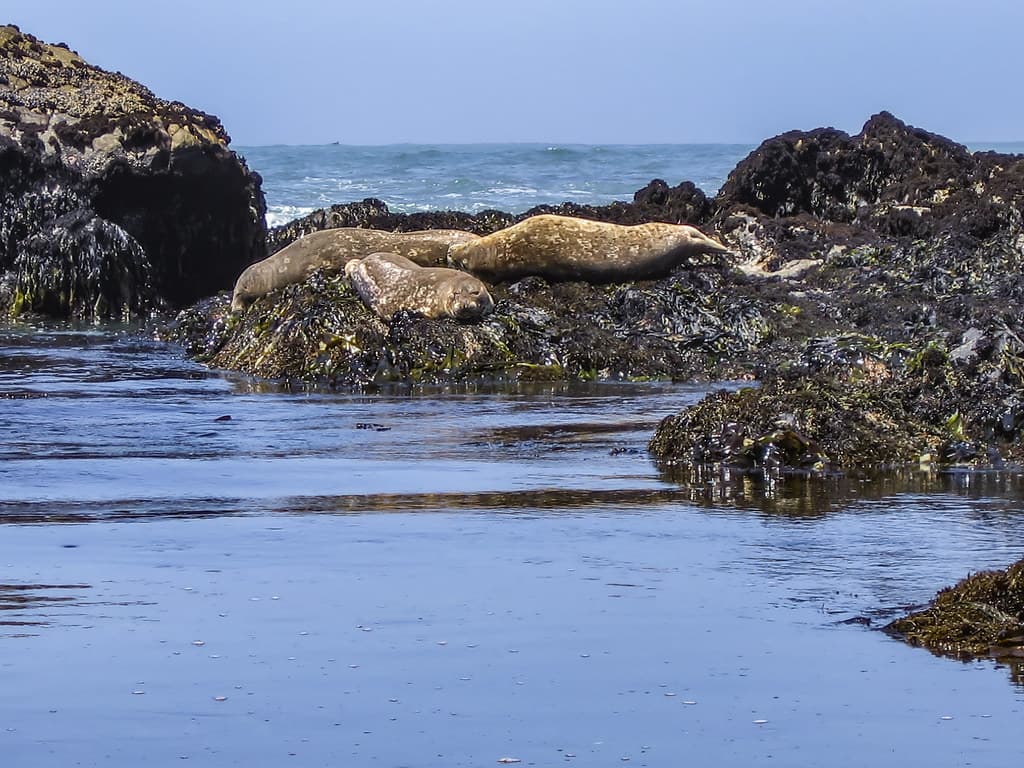
The trail drops 120 feet through sage and coyote brush, switchbacking twice before spilling you onto pale sand that stretches farther than any other beach in Big Sur. Driftwood logs—some as thick as your torso—lie scattered like fallen pillars, their surfaces sanded smooth by salt and time. You'll hear the surf before you see it: a low rumble that builds as waves stack up over the offshore reef, then collapse in white percussion along the shore. Midday light catches the spray as swells hit the outer break, and the wind carries the iodine scent of kelp beds mixing with the sharper note of crushed shells underfoot. Locals arrive at dawn with boards tucked under arms, studying the sets. By afternoon, families claim driftwood windbreaks while beachcombers trace the tide line, pockets filling with sand dollars bleached bone-white. The water stays cold year-round—fifty-five degrees even in August—so you'll want a wetsuit if you plan to do more than wade. Stay through the golden hour and watch fog begin its creep over the Santa Lucia Range, rolling down ridges like slow-motion avalanches. The beach empties as shadows lengthen, leaving only the persistent surfers and the gulls wheeling overhead. Highway 1 hums faintly above the bluff, but down here, waves erase everything else.
Places, rentals, tours and events within walking and driving distance of Sand Dollar Beach.
Photos
Swimming at Sand Dollar Beach is generally not recommended due to strong currents, cold water temperatures, and unpredictable surf conditions typical of Big Sur's coastline. The beach is better suited for wading, beachcombing, and surfing for experienced individuals. Rip currents are common, and there are no lifeguards on duty. The water remains cold year-round, usually between 50-60°F. If you do enter the water, stay close to shore, never turn your back on the waves, and be extremely cautious. Most visitors enjoy the beach for its stunning scenery rather than swimming.
Sand Dollar Beach can be visited year-round, but each season offers different experiences. Spring and early summer bring wildflowers on surrounding bluffs and occasional whale migrations offshore. Summer offers the warmest weather, though coastal fog is common in the mornings. Fall typically provides the clearest skies and calmest conditions. Winter can be dramatic with powerful waves and storm watching opportunities, but also brings rain and occasional road closures on Highway 1. For beach walks and tide pooling, low tide is ideal. Early mornings generally offer fewer crowds and better wildlife viewing regardless of season.
Sand Dollar Beach is located off Highway 1, approximately 60 miles south of Carmel and 11 miles south of the Plaskett Creek Campground. Look for the well-marked parking area on the ocean side of the highway. There's a day-use parking lot that requires a fee (typically $10), payable at self-service stations. From the parking area, a moderately steep trail descends to the beach—allow 10-15 minutes each way. The parking lot can fill up on sunny weekends and holidays. The access road and parking area are generally well-maintained, accessible to standard vehicles.
Sand Dollar Beach is in a remote section of Big Sur with limited nearby amenities. The closest services are at Gorda, about 10 miles south, which has a small store and café. Plaskett Creek Campground, approximately 1 mile north, offers basic camping facilities. For more dining and lodging options, drive north to Lucia (15 miles) or south to San Simeon (35 miles). Most visitors pack their own food and drinks, as there are no facilities directly at the beach. The town of Big Sur, about 30 miles north, has restaurants and lodges but requires significant driving time.
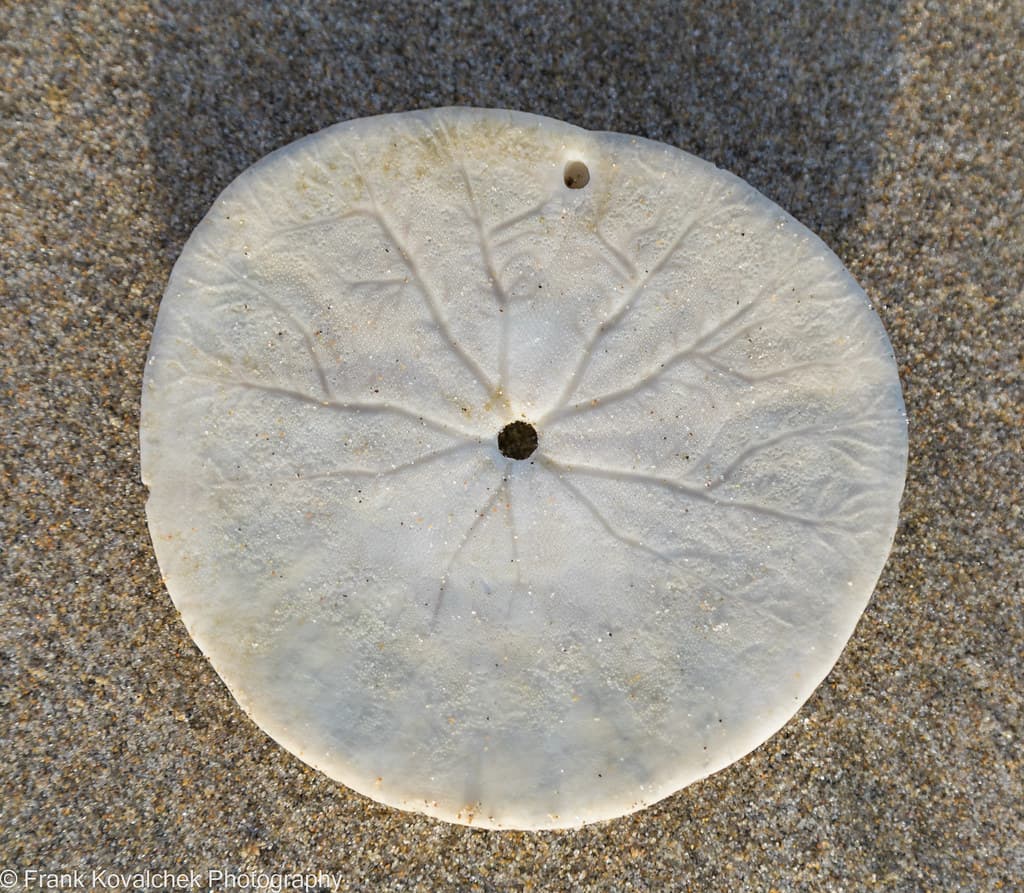
Sand Dollar Beach earned its name from the abundance of sand dollars—flat, round sea urchins—that wash ashore, particularly after storms. Beachcombers frequently find both intact sand dollar shells and fragments along this expansive stretch of sand. The beach's gentle slope and specific ocean conditions make it an ideal spot for these marine creatures to accumulate. When collecting sand dollars, remember that live ones (often purplish or reddish) should be left in the ocean, while bleached white shells are acceptable to take. This natural phenomenon has made the beach popular among shell collectors and nature enthusiasts exploring Big Sur's coastline.