Counting the waves…
Counting the waves…

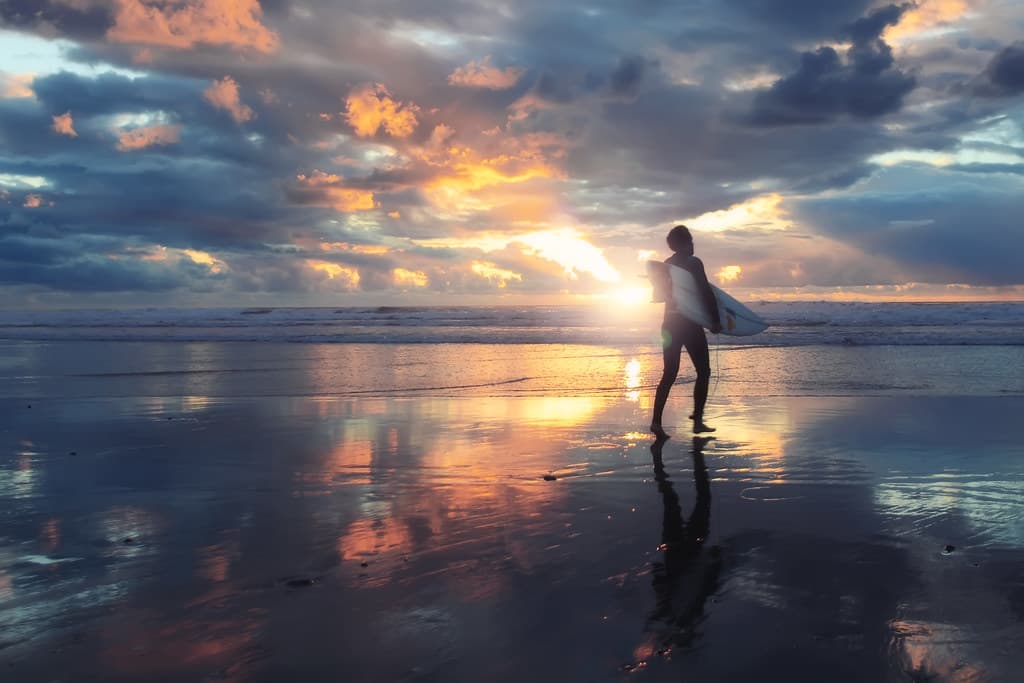
Cardiff State Beach unfurls along a mile of coastline where the Pacific Coast Highway curves close enough that you can hear the hiss of tires mixing with the break. The beach itself is wide and workmanlike—no manicured volleyball courts, just honest sand, driftwood logs for seating, and a reef system that shapes one of North County's most reliable waves. Surfers in faded wetsuits paddle out at the point break near the southern end, where the reef bottom creates long, peeling rights that host California State Parks sanctioned competitions throughout the year. North of the surf zone, the beach flattens into a stretch popular with families who spread blankets near the tide pools and lifeguard tower. At low tide, the reef reveals itself in dark, barnacle-crusted shelves where hermit crabs scuttle and sea stars cling in the surge. The campground perched on the bluff above—one of the few beach-adjacent camping options in San Diego County—sends the scent of morning coffee and campfire smoke drifting down the wooden staircase. Sunset here is a quiet affair. The offshore Channel Islands create a jagged horizon, and the light turns the kelp beds amber. Locals walk their dogs along the hard-packed sand near the waterline, and you'll see anglers casting into the surf as the evening glass-off begins. There's no boardwalk, no fanfare—just the rhythm of swell meeting reef.
Places, rentals, tours and events within walking and driving distance of Cardiff State Beach.
Photos
Cardiff State Beach is popular for surfing but requires caution for swimmers. The beach has consistent waves that attract surfers year-round, which can create challenging conditions for casual swimmers. There are no lifeguards stationed at all sections, so swim near the Restaurant area where supervision is more common during summer. Rip currents can occur, especially during winter swells. The reef bottom in some areas may be rocky. Check local surf reports before entering the water, and stay close to shore if you're not an experienced ocean swimmer.
Cardiff State Beach is enjoyable year-round due to Southern California's mild climate, with temperatures ranging from 60-75°F. Summer (June-August) offers warmest water temps around 65-68°F and the most crowded conditions. Spring and fall provide excellent weather with fewer visitors. Winter brings larger surf swells, ideal for experienced surfers but less suitable for swimming. Mornings typically feature clearer skies before coastal fog rolls in. Sunset visits are spectacular any season. Weekdays are quieter than weekends throughout the year.
Cardiff State Beach has a paid parking lot directly off Old Highway 101 with approximately 160 spaces. Parking costs around $10-15 for the day (rates vary seasonally). The lot fills quickly on summer weekends and holidays, often by mid-morning. Street parking is available along San Elijo Avenue and residential streets in Cardiff-by-the-Sea, but observe posted restrictions carefully. Arrive before 9 AM on busy days to secure a spot. The beach is also accessible via the San Elijo Lagoon Trail for those staying nearby.
Cardiff-by-the-Sea offers excellent dining within walking distance of the beach. Seaside Market (a local deli/grocery) is steps from the sand, perfect for picnic supplies. Las Olas Mexican restaurant and Beach House Cardiff offer casual beachfront dining. VG Donut & Bakery is a breakfast favorite. The beach has basic restrooms and outdoor showers but no on-site food vendors. Lodging options include nearby Cardiff Lodge and various vacation rentals. Encinitas, just north, has additional hotels and restaurants within a 5-minute drive.
Cardiff Reef is famous among Southern California surfers for its consistent, user-friendly waves that break over a rock reef bottom. The reef creates multiple peaks suitable for longboarders and intermediate surfers, though experienced shortboarders also enjoy it. The break works on various swell directions and tides, making it more reliable than many beach breaks. It's a popular spot for surf contests and can get crowded. The offshore reef structure also creates tide pools visible at low tide, adding interest for non-surfers exploring the beach.