Counting the waves…
Counting the waves…
A refined fusion of water purity, environmental stability, and communal vibrancy for Drakes Beach.
View MethodologyAnalyzed via live sensors and environmental data.
Wave height, wind, and atmospheric stability.
Live footfall and crowd balance metrics.
Community reviews and curated sentiment.
“You'll descend toward Drakes Beach beneath chalk-white bluffs that glow amber at dusk, their sediment laid down when this shoreline belonged to southern California. The crescent of sand stretches wide and forgiving,…”
Limited recent visitor reports — live OBI telemetry is your best guide for current conditions.

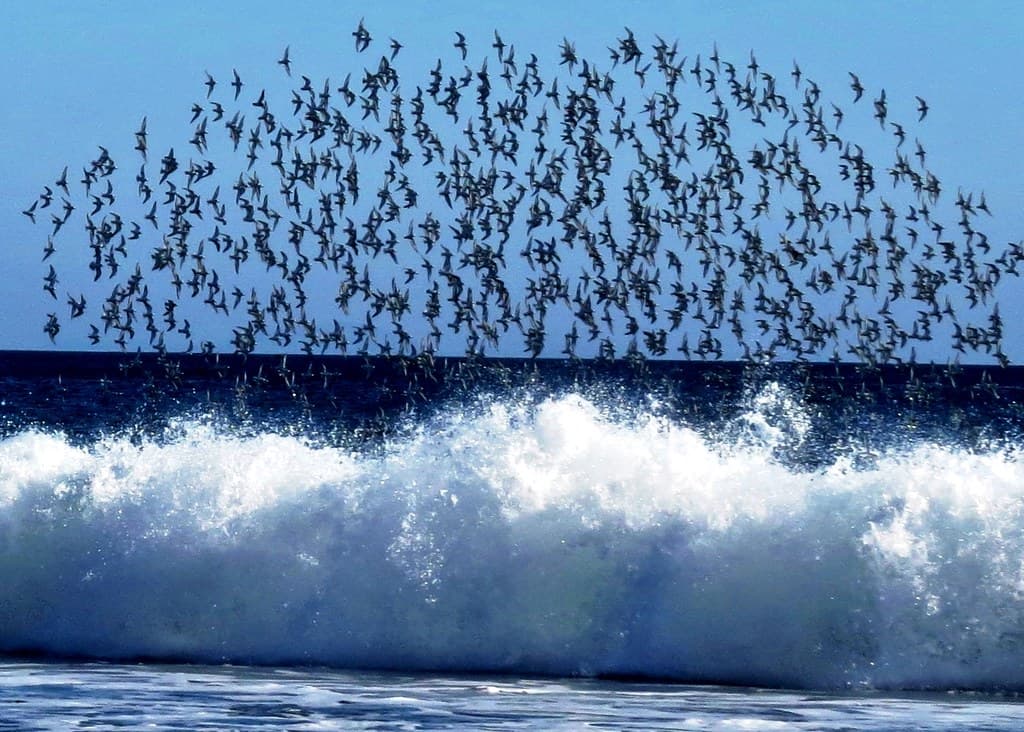
The first thing you notice at Drakes Beach isn't the surf but the silence—a hush that falls between the cliff face and the tideline, broken only by harbor seals barking offshore and cormorants drying their wings on rocks slick with kelp. The white sandstone escarpment behind you rises two hundred feet, a geological anomaly born when the Pacific Plate dragged this chunk of granite and marine sediment northward over twenty million years. Francis Drake may have careened his ship here in 1579; what's certain is that the same prevailing northwest winds that guided him still rake across this beach, carrying fog that turns the cliffs ghostly by mid-afternoon.
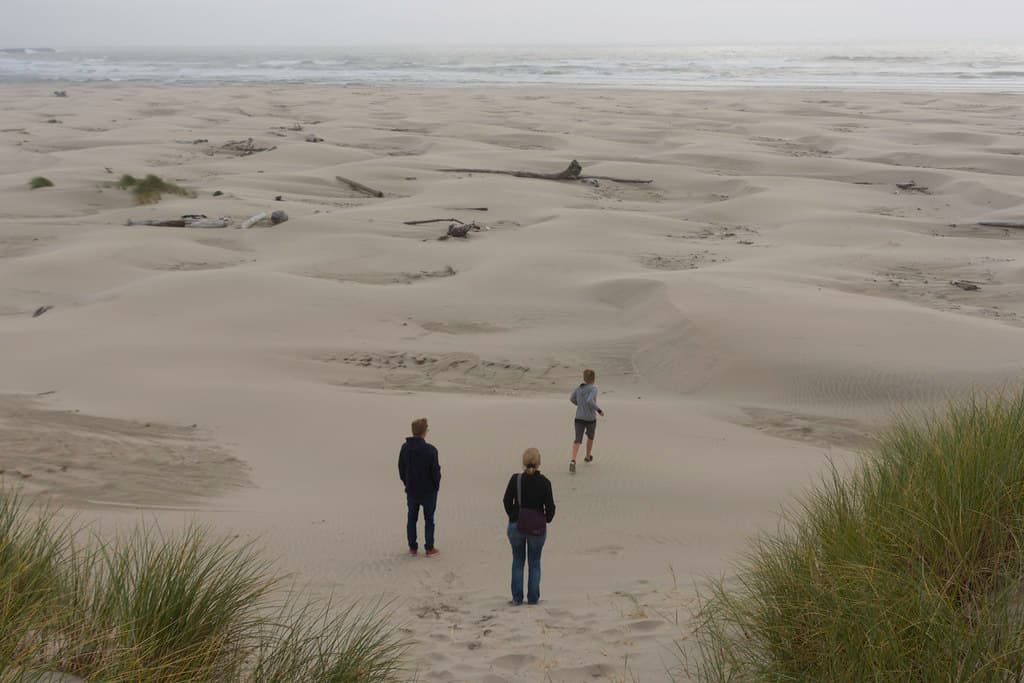
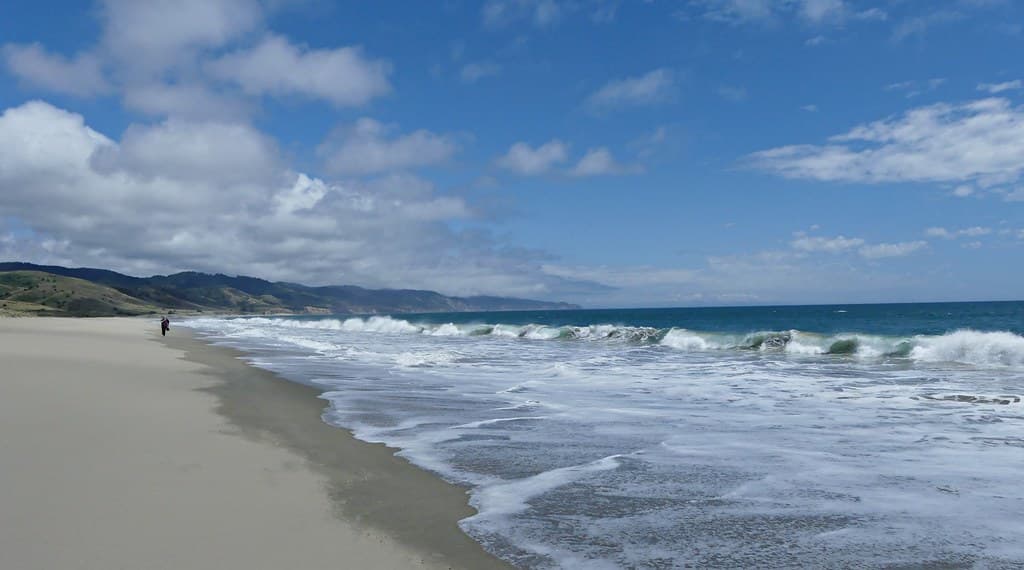
You'll walk the strand with cold sand giving way beneath your boots, scanning the wrack line for sand dollars and moon snail shells. Families cluster near the visitor center at the south end, but wander north and you'll find solitude even on summer weekends. The water stays numbingly cold year-round—fifty-two degrees in August—discouraging all but the wetsuit-clad.
Credit: FlickrPhotograph White Cliffs
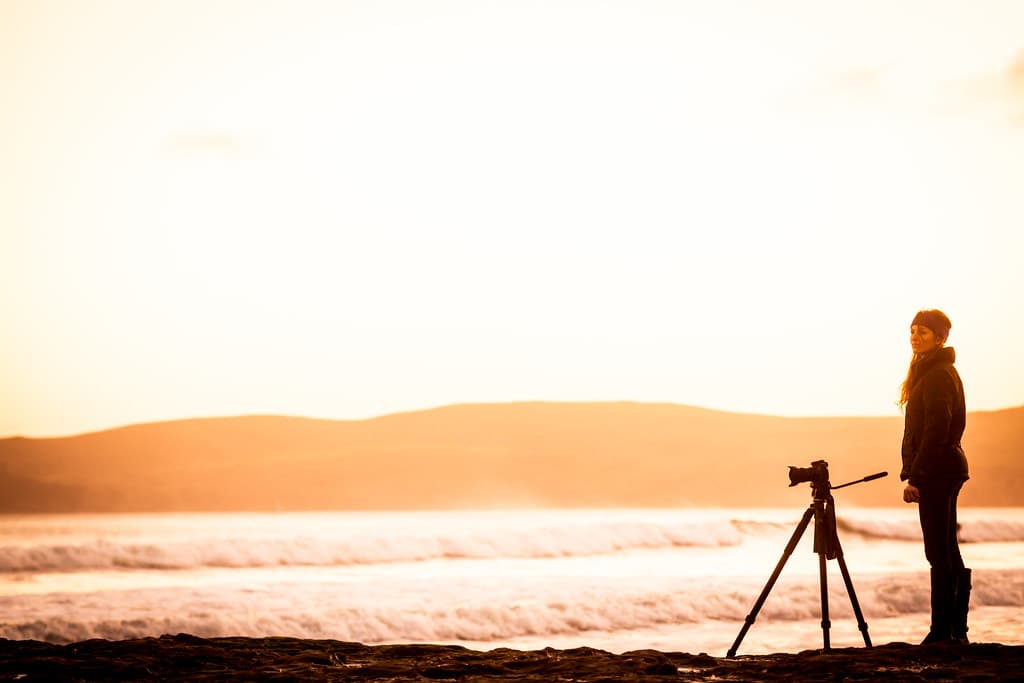
Golden hour turns them amber
Low tide reveals anemones, hermits
Local oysters, chowder, espresso bar
Where it is
Drakes Beach
Inverness, California, USA
38.027600°, -122.961800°
Weather
Loading…
Swell
—
Temp
Warm · Restorative
UV Index
Moderate
Wind
—
Tidal State
Last known
Max Sunlight
—
Ideal Shade
—
May - Sep (Peak)
Jan - Dec (Off-season)
Historical data suggests peak visibility and stable sea temperatures occur during the prime visitation window.
Select a category to load nearby places.
Unlock restaurants, luxury stays and curated maritime experiences within 2km
Swimming at Drakes Beach is generally not recommended due to cold water temperatures (typically 50-60°F year-round), strong currents, and occasional rip tides. The beach is part of the Red Triangle, an area with great white shark activity. Wading and beachcombing are safer options. Always check current conditions at the Kenneth C. Patrick Visitor Center before your visit. The calmer waters compared to other Point Reyes beaches make it suitable for supervised children to play near the shore, but full swimming should be avoided.
Drakes Beach is accessible year-round, with each season offering unique experiences. Summer (June-August) brings clearer skies and calmer winds, ideal for picnics and beachcombing. Spring features wildflowers on surrounding bluffs, while fall offers dramatic sunsets and fewer crowds. Winter can be foggy and windy but provides opportunities for storm watching and gray whale migration viewing (December-April). Morning visits typically offer clearer conditions before coastal fog rolls in during afternoons. Weekdays are less crowded than weekends throughout the year.
Drakes Beach is located within Point Reyes National Seashore, about 18 miles from the Bear Valley Visitor Center. From Highway 1, take Sir Francis Drake Boulevard through Inverness and follow signs toward the Point Reyes Lighthouse; Drakes Beach is clearly marked along the route. A large, free parking lot accommodates most visitors, though it can fill during summer weekends and holidays. The drive takes approximately 45 minutes from the park entrance. No public transportation serves the beach directly.
The Drakes Beach Café, located at the beach parking area, serves light meals, snacks, coffee, and local oysters (hours vary seasonally; often closed in winter). No lodging exists directly at the beach. The nearest accommodations are in Inverness and Point Reyes Station (approximately 30-40 minutes away), offering inns, vacation rentals, and bed-and-breakfasts. Basic restroom facilities are available at the beach. For groceries and more dining options, visit Point Reyes Station or Inverness before heading to the beach.
The striking white cliffs backing Drakes Beach are composed of Drakes Bay Formation, ancient marine sedimentary rock dating back millions of years. This white sandstone and mudstone was formed from ocean sediments and contains fossils of marine organisms. The pale color comes from the mineral composition, primarily calcium-rich materials. These dramatic 100-foot cliffs create a distinctive backdrop found nowhere else in Point Reyes. Visitors can view but should not climb the cliffs, as they are actively eroding and potentially unstable.
Photos