Counting the waves…
Counting the waves…
A refined fusion of water purity, environmental stability, and communal vibrancy for Goat Rock Beach.
View MethodologyAnalyzed via live sensors and environmental data.
Wave height, wind, and atmospheric stability.
Live footfall and crowd balance metrics.
Community reviews and curated sentiment.
“You'll smell the salt and kelp before you crest the bluff and see the famous rock rising from foam-churned shallows where freshwater meets tide. Harbor seals haul out on sandbars, cormorants dry their wings on jagged…”
Limited recent visitor reports — live OBI telemetry is your best guide for current conditions.
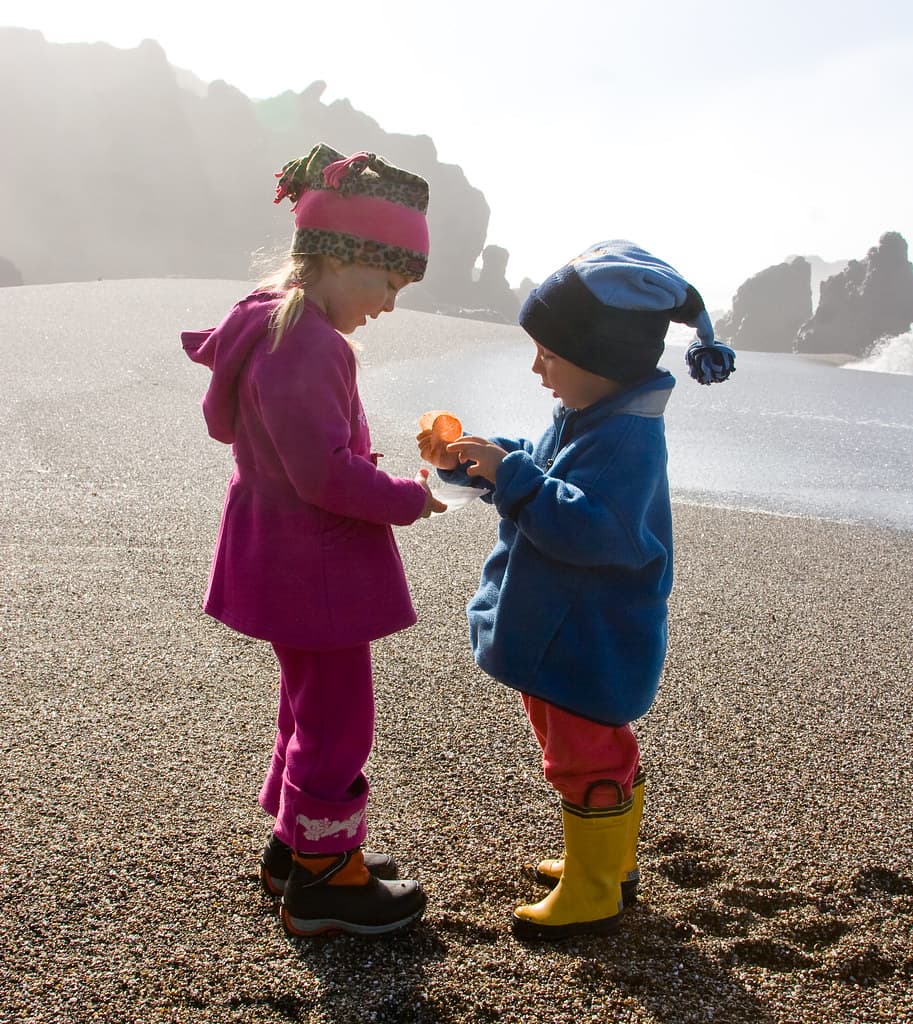
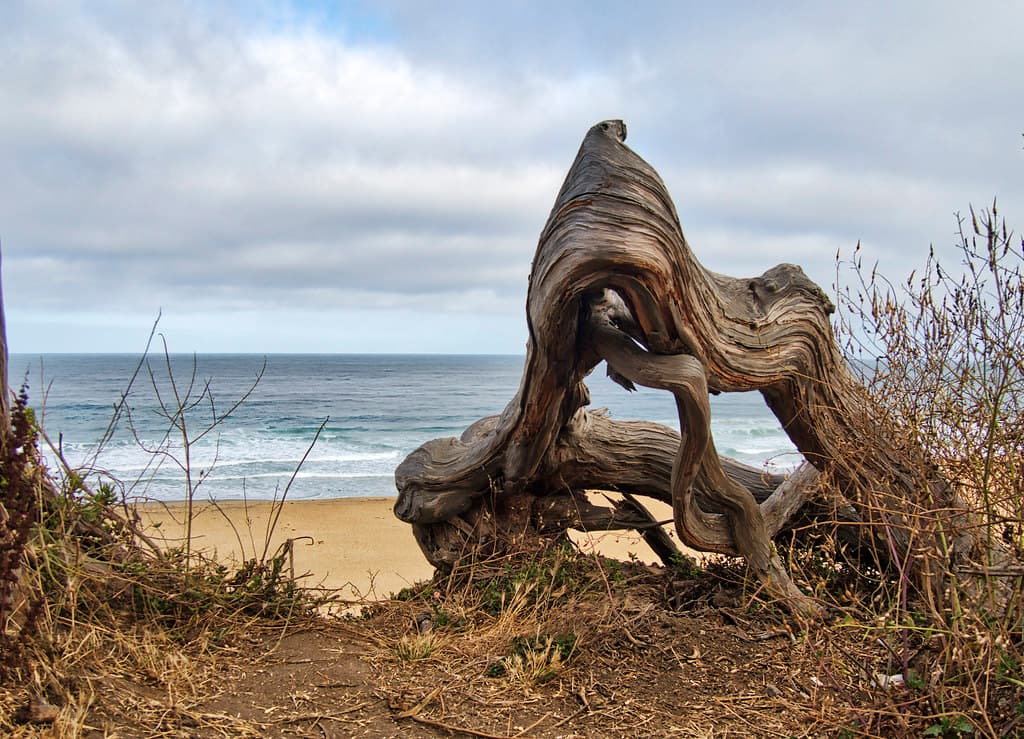
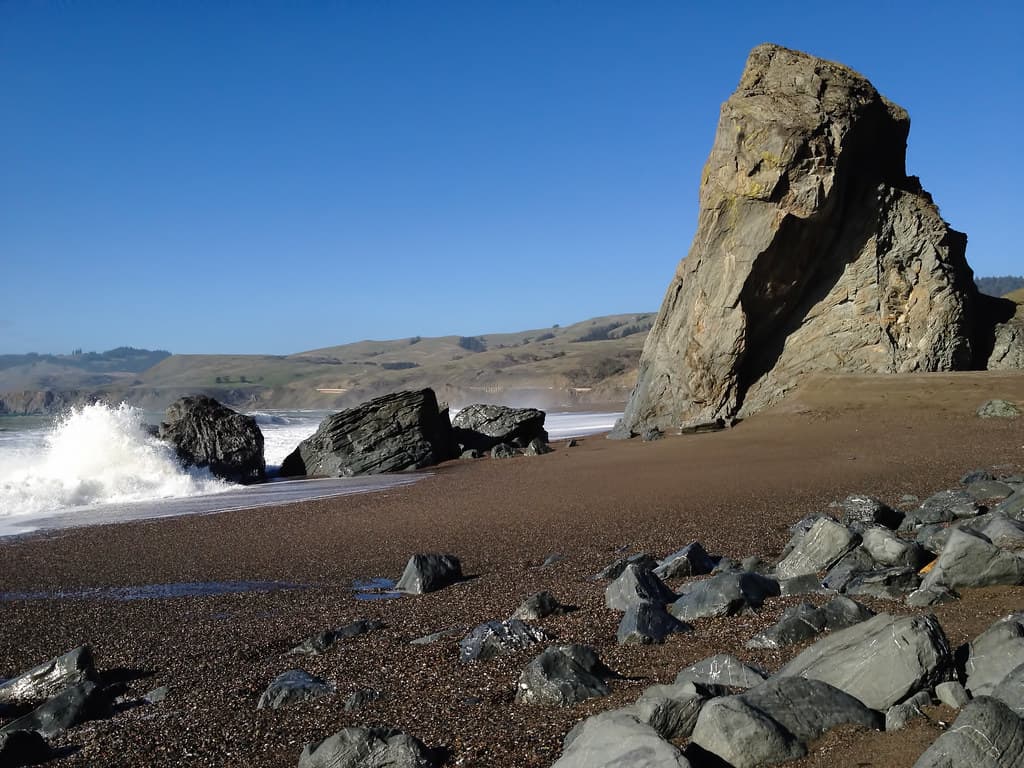
Park in the lot above and follow the path down to a sweep of gray sand where driftwood logs lie scattered like giant matchsticks. The beach stretches north toward cliffs pocked with sea caves, but your eye keeps returning to the namesake rock—a hulking, wave-battered sentinel that shifts color from charcoal to amber as the sun moves west. At the river mouth, the current braids through shallow channels, and you'll often spot harbor seals bobbing in the confluence, their whiskered faces tracking your movements with mild curiosity.
This is not a beach for sunbathing or casual swims. Rogue waves and riptides make the surf treacherous, and the water stays cold enough to numb your feet in seconds. Instead, you walk. Miles of firm sand unfold in both directions, littered with bull kelp, sand dollars, and the occasional glass fishing float. Bring layers—the wind funnels through the river canyon without mercy, and fog can roll in mid-afternoon even when Jenner bakes under blue sky.
Golden hour turns stone amber
North trail reaches secluded cove
Sandbars host year-round haul-outs
Where it is
Goat Rock Beach
Jenner, California, USA
38.467000°, -123.129000°
Weather
Loading…
Swell
—
Temp
Warm · Restorative
UV Index
Moderate
Wind
—
Tidal State
Last known
Max Sunlight
—
Ideal Shade
—
May - Sep (Peak)
Jan - Dec (Off-season)
Historical data suggests peak visibility and stable sea temperatures occur during the prime visitation window.
Select a category to load nearby places.
Unlock restaurants, luxury stays and curated maritime experiences within 2km
Swimming is strongly discouraged at Goat Rock Beach due to extremely dangerous conditions. The area is known for powerful rip currents, sneaker waves, and frigid water temperatures year-round. The beach sits where the Russian River meets the Pacific Ocean, creating unpredictable currents. Several drownings have occurred here over the years. Visitors should enjoy the beach for walking, picnicking, and photography while staying well back from the water's edge. Always supervise children closely and never turn your back on the ocean.
Goat Rock Beach offers year-round beauty, but each season brings different experiences. Spring and summer provide warmer weather and harbor seal pupping season (April-August), when you can observe seals on the beach from a safe distance. Fall offers clearer skies and fewer crowds. Winter brings dramatic storm watching opportunities and spectacular sunsets, though expect cooler temperatures and wind. Mornings often feature fog along the Sonoma Coast regardless of season. For the best weather, visit between September and November when fog typically clears earlier.
Goat Rock Beach is located off Highway 1, approximately one mile south of Jenner in Sonoma County. From San Francisco, it's about a 90-minute drive north. Take Highway 101 to River Road in Cotati, then follow it west to Highway 1. The beach has a large parking lot that's free and accessible year-round. Look for the well-marked Goat Rock Road turnoff from Highway 1. The parking area provides easy access to the beach, with restrooms available near the lot.
The nearby town of Jenner, just one mile north, offers several dining options including seafood restaurants and cafes with ocean views. River's End restaurant is particularly popular for its cliffside location. For lodging, Jenner has inns, vacation rentals, and small hotels, many overlooking the Pacific Ocean or Russian River. The larger town of Bodega Bay, about 15 minutes south, provides additional restaurants, grocery stores, and accommodation options. Bodega Bay also has gas stations and basic services not available in tiny Jenner.
Yes, Goat Rock Beach is an important harbor seal pupping and haul-out site, particularly at the river mouth. From April through August, mother seals give birth and nurse their pups on the sandy beaches. You can observe seals year-round, but spring and summer offer the best viewing opportunities. Marine Mammal Protection Act regulations require visitors to stay at least 50 yards away from seals. California State Parks often posts informational signs and may rope off sensitive areas during pupping season to protect these marine mammals.