
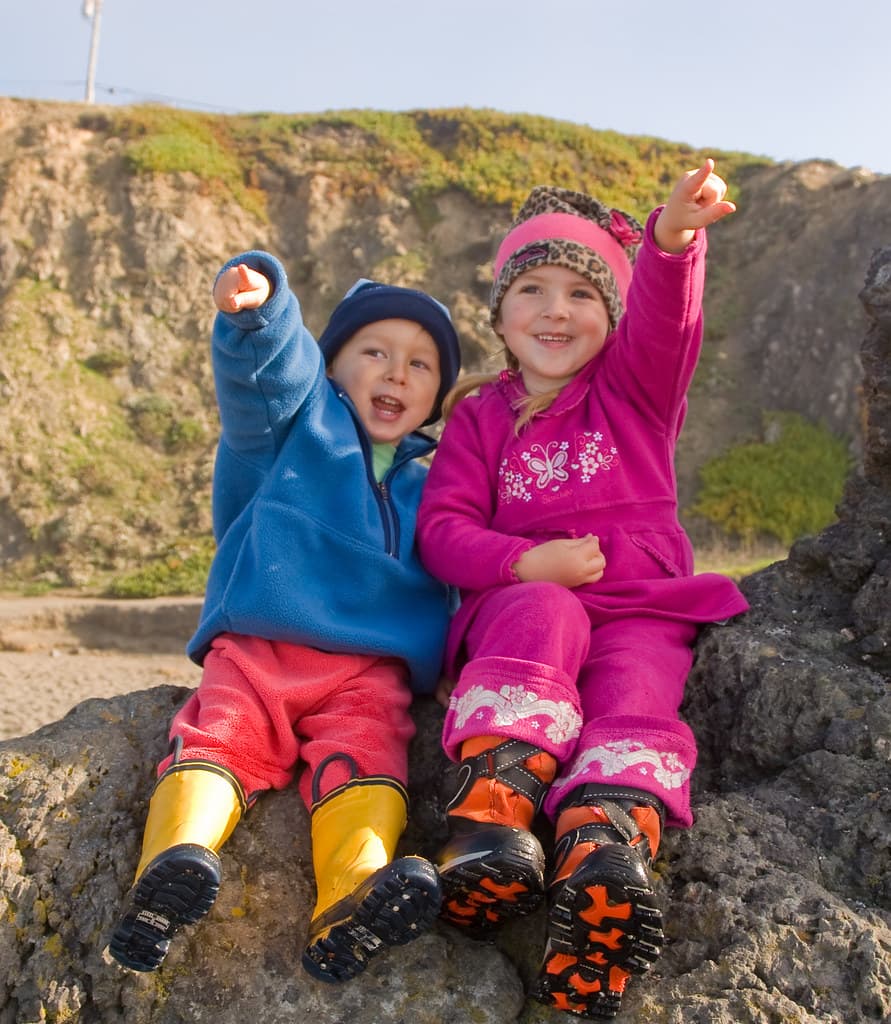
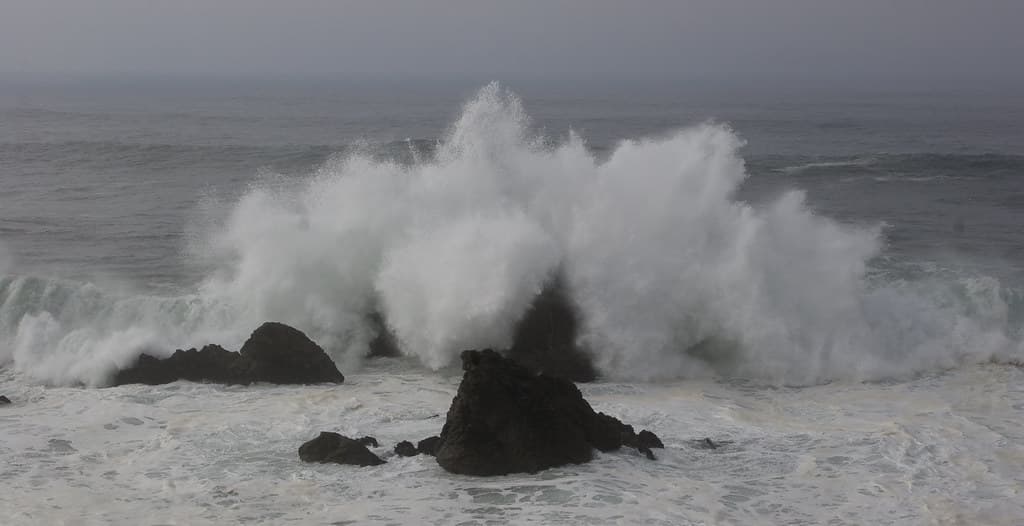
Schoolhouse Beach sits at the confluence of the Russian River and the Pacific, a geographic fact that shapes everything about it. The river pushes inland sediment seaward; the ocean shoves it back. What remains is a narrow crescent of tan sand littered with bleached driftwood, smooth stones, and the occasional glass float. During winter storms, the sandbar blocking the river mouth breaches, turning the beach into a front-row seat for a hydraulic spectacle.
“The only Sonoma Coast beach where you can watch river and ocean physically collide, reshaping the shoreline with every tide.”
 Credit: Flickr
Surf's up!
You won't find lifeguards, concession stands, or even a proper parking lot—just a pullout along the highway and a weathered wooden staircase descending through coastal scrub. The water is bracingly cold year-round, the currents unpredictable where river and ocean wrestle for dominance. This is not a place for casual swimming. Instead, you watch: pelicans diving, seals fishing, fog rolling in like a slow avalanche over the headlands.
The beach takes its name from a one-room schoolhouse that once stood nearby, long gone now. What remains is the kind of Sonoma Coast solitude that exists only in the gaps between famous destinations—north of Bodega Bay, south of Fort Ross, significant to no one but the locals who know it and the visitors who stumble upon it by accident or intention.


