
Counting the waves…
Counting the waves…

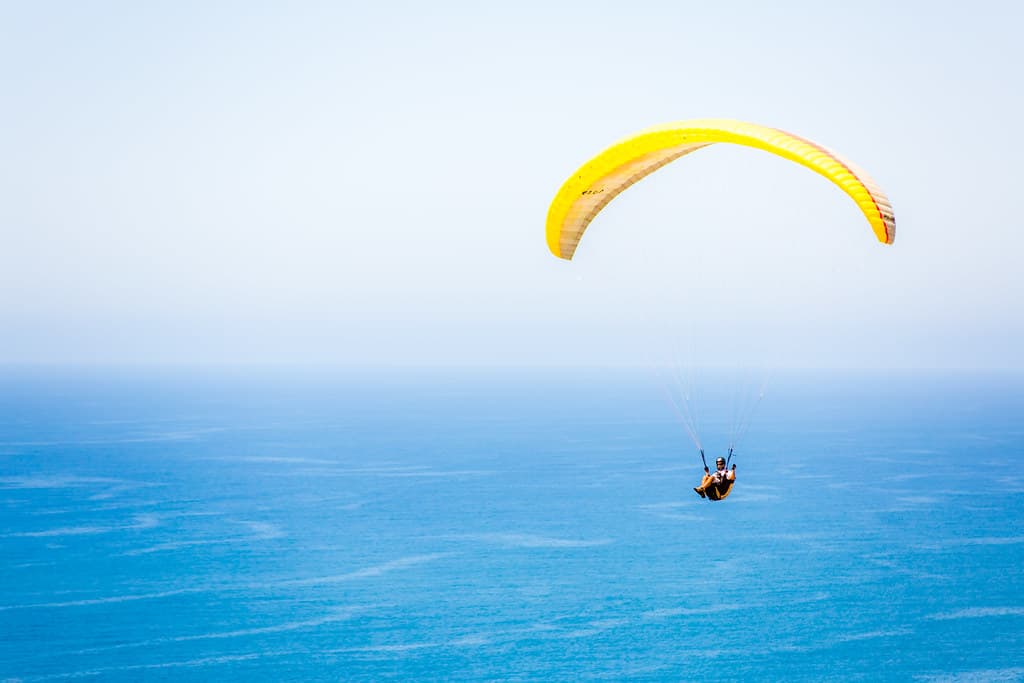
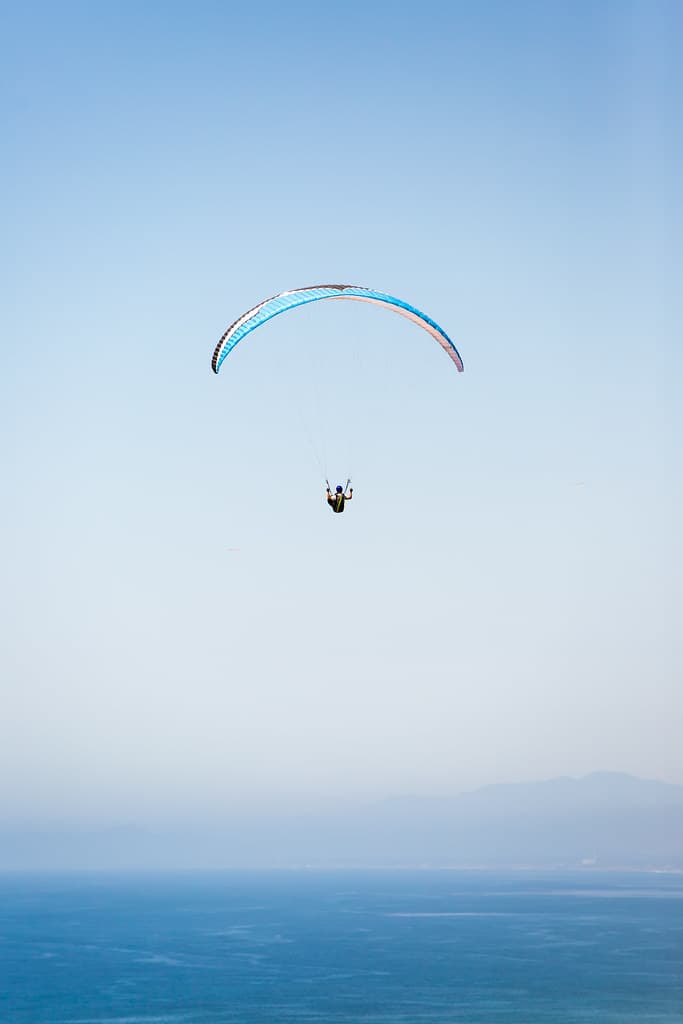
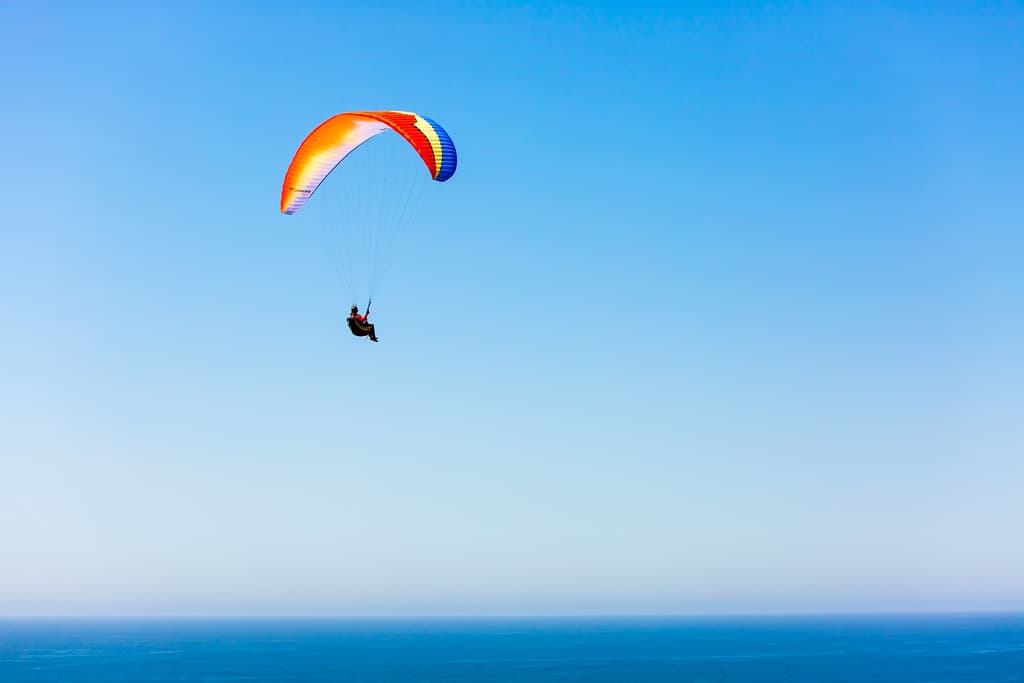
The path from the Gliderport parking lot switchbacks sharply, and within minutes your thighs remind you this is no drive-up beach. You emerge onto sand that stretches wide and wild, hemmed in by cliffs that glow amber in afternoon light. Knots of surfers wax boards near the water; farther south, sunbathers shed swimsuits in the clothing-optional zone that's drawn free spirits since the 1970s. The beach hums with a quiet tolerance—everyone here made the same sweaty pilgrimage down. The surf at Black's is no beginner's playground. Winter swells march in from the northwest, stacking into hollow peaks that peel fast and punish mistakes. You'll see locals dropping into double-overhead sets with the ease of people who've studied this break for decades. Between waves, watch the cliffs: hang gliders step off the edge at Torrey Pines and spiral down on thermals, their bright canopies vivid against the sandstone. By late afternoon the light softens, painting the bluffs in shades of peach and rust. The climb back up feels steeper, but you'll pause halfway to catch your breath and take in the view—miles of empty shore, waves folding white against the sand, and the feeling that you've stumbled onto a pocket of coast that hasn't quite been tamed.
Places, rentals, tours and events within walking and driving distance of Black’s Beach.
Photos
Black's Beach is known for strong currents, powerful shore breaks, and steep drop-offs that make swimming challenging even for experienced ocean swimmers. Lifeguards are not always present, especially in winter. The beach is popular with surfers who understand these conditions, but casual swimmers should exercise extreme caution. Rip currents are common, particularly during high surf. Check surf reports before visiting, stay close to shore if you're unfamiliar with ocean swimming, and never turn your back on the waves.
Black's Beach is accessible year-round, with each season offering different appeal. Summer (June-August) brings warmer water, calmer surf, and the most crowded conditions. Spring and fall offer pleasant weather with fewer visitors. Winter delivers the largest waves, attracting experienced surfers but making the beach less suitable for swimming or sunbathing. Mornings typically feature the best weather before coastal fog or afternoon winds arrive. Weekdays are significantly less crowded than weekends throughout the year.
Access requires a steep hike. The most popular route starts at the Torrey Pines Gliderport parking lot (free, but limited spaces). From there, take the steep 0.3-mile trail down unstable cliffs—wear proper footwear and expect a challenging return climb. Alternatively, access via La Jolla Shores to the south requires a 1-2 mile beach walk depending on tide (only possible at low tide). A third option uses the gated Blackgold Road trail from UCSD, though access can be restricted.
Black's Beach has no facilities, food vendors, or lifeguard stations—it's a remote, undeveloped beach. Bring all water, food, and supplies you'll need, and pack out all trash. The nearest restaurants and shops are in La Jolla village, about 10-15 minutes away by car. Hotels and vacation rentals are available in La Jolla and nearby areas. The Torrey Pines Gliderport at the trailhead has a small café. Public restrooms are not available at the beach itself.
Yes, the northern section of Black's Beach is traditionally clothing-optional and has been since the 1970s, though public nudity technically violates California law. It's tolerated by authorities and widely practiced, particularly in the stretch north of the main trail access. The southern portions near La Jolla Shores are more family-oriented with clothed beachgoers. If you're uncomfortable with nudity, stick to the southern sections. First-time visitors should be aware of this unique characteristic before making the challenging hike down.