Counting the waves…
Counting the waves…

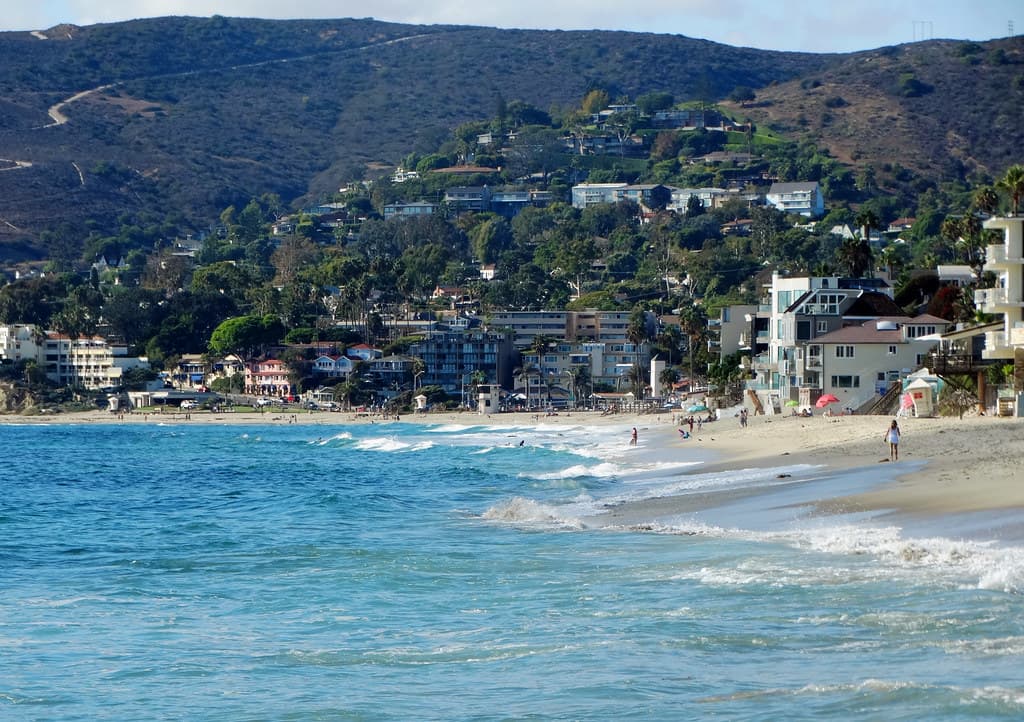
The staircase deposits you onto coarse golden sand no wider than a tennis court, hemmed in by craggy outcrops that glow rust-orange in late afternoon light. Locals claim the beach by seven a.m., towels staked near the north jetty where the rocks form natural armchairs above the waterline. You'll notice the silence first—no boardwalk hawkers, no volleyball nets—just the rhythmic slap of shore break and the occasional bark of a sea lion cruising the kelp beds fifty yards out. Snorkelers favor the south end, where submerged boulders create channels thick with garibaldi, California's neon-orange state fish. The water stays greenish-blue rather than tropical turquoise, cool enough in June to make you gasp on entry but clear to fifteen feet when swells calm. Low tide exposes a fringe of mussel-covered shelves; bring rubber-soled water shoes unless you enjoy barnacle scrapes. By noon the cove fills with families who know to pack everything down those stairs—no snack shack, no rental stand, no restroom closer than the residential street above. Paddleboarders launch from the sand's midpoint, threading between the rock sentries toward open water. When the marine layer burns off, the bluffs frame a pocket of warmth that feels earned, not given, a reward for those willing to lug their cooler down sixty-three steps and back up again at dusk.
Places, rentals, tours and events within walking and driving distance of Crescent Bay Beach.
Photos
Crescent Bay Beach generally offers calm, protected waters ideal for swimming, snorkeling, and diving due to its cove shape. However, conditions vary with tides and seasons. Winter months can bring larger waves and stronger currents. Always check current conditions before entering the water, watch for posted warnings, and be aware of rocks beneath the surface. The beach has no lifeguard on duty year-round, so swim at your own risk. Visibility is typically excellent, making it popular with snorkelers exploring tide pools and marine life along the rocky edges.
Crescent Bay Beach can be enjoyed year-round thanks to Southern California's mild climate, but late spring through early fall (May-October) offers the warmest water temperatures and calmest ocean conditions for swimming and snorkeling. Summer weekends get crowded, so visit on weekdays or arrive early for a quieter experience. Winter months provide dramatic scenery and fewer visitors, though water is cooler and waves larger. Sunset visits are particularly spectacular year-round, as the cove faces west and offers stunning Pacific Ocean views with colorful skies.
Crescent Bay Beach is located off Cliff Drive in Laguna Beach. Street parking is available along Crescent Bay Drive and nearby residential streets, but spaces are extremely limited and fill quickly, especially on weekends and during summer. Parking is free but competitive. From the small parking area, a public stairway descends to the beach. Arrive early morning for the best chance at finding a spot. Alternatively, park in downtown Laguna Beach and walk approximately 15-20 minutes north along the coastal path, enjoying ocean views along the way.
Crescent Bay Beach has no on-site facilities, restrooms, or food vendors, so come prepared. It's primarily a natural cove surrounded by residential properties. The nearest amenities are in downtown Laguna Beach, about a mile south, where you'll find numerous restaurants, cafes, shops, and public restrooms. Many visitors pack snacks, water, and beach supplies. For lodging, Laguna Beach offers various hotels, resorts, and vacation rentals within a short drive. The Montage Laguna Beach resort is relatively nearby, and downtown accommodations provide easy access to this and other local beaches.
Crescent Bay Beach stands out for its exceptional tide pools, clear waters, and relative seclusion compared to busier Laguna beaches like Main Beach. The crescent-shaped cove creates naturally protected swimming conditions and excellent snorkeling opportunities, with rocky outcroppings hosting diverse marine life including sea stars, anemones, and colorful fish. The beach attracts fewer tourists than central Laguna spots, offering a more peaceful atmosphere. Its offshore reef and underwater park make it particularly popular with scuba divers and underwater photographers seeking to explore Southern California's coastal ecosystem in a scenic, intimate setting.