Counting the waves…
Counting the waves…

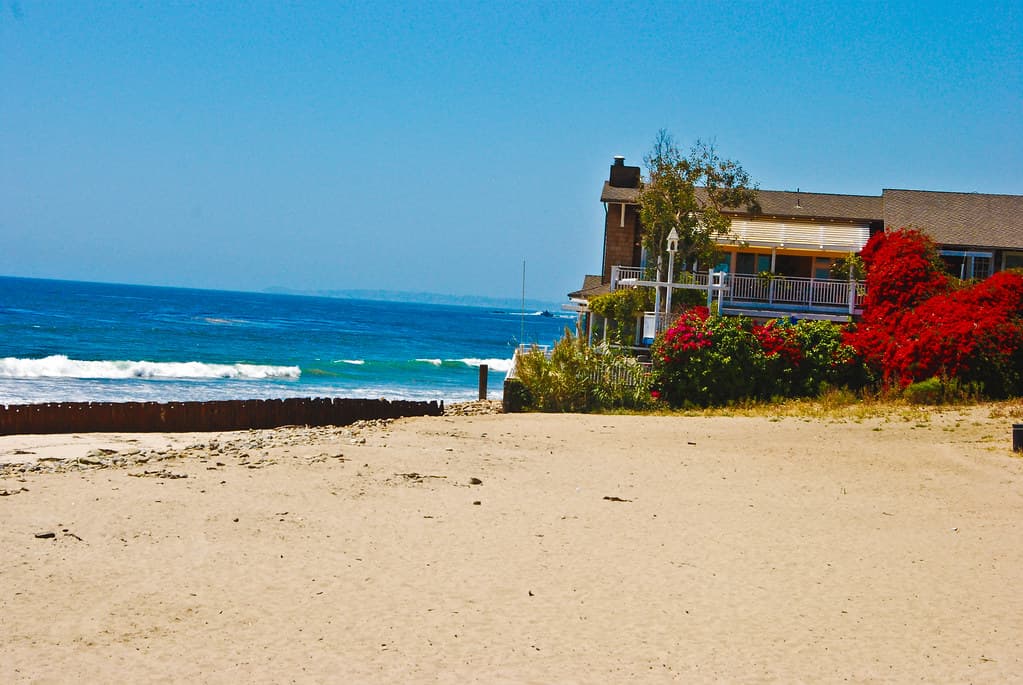
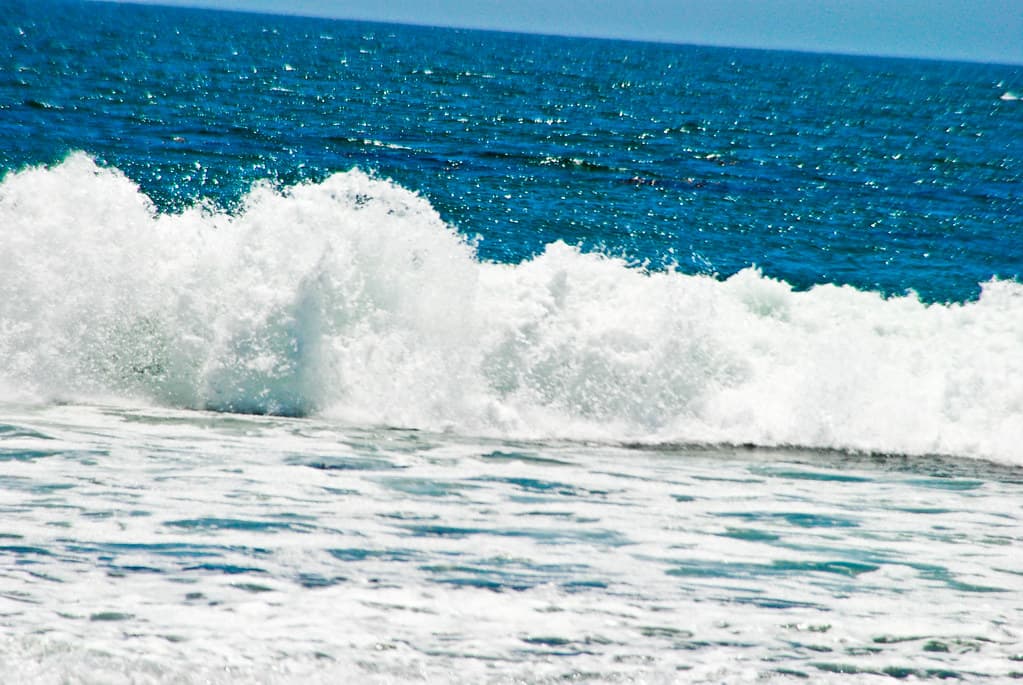
Pull into the gravel lot where Topanga Canyon Boulevard dead-ends at PCH, and you've arrived at one of Malibu's best-kept secrets—not because it's hidden, but because visitors speed past en route to Zuma or Surfrider. The beach stretches south in a slim ribbon of tan sand, backed by eroding bluffs striated in ochre and grey. Mornings bring glassy sets that peel left across the rocky reef; by noon, the northwest wind chops the surface and families claim the protected southern corner near the creek mouth. This is working surfer territory. You'll see wetsuit-clad regulars waxing boards on tailgates, trading swell reports, checking the buoys on cracked iPhone screens. The vibe is decidedly unpretentious—no valet parking, no beach clubs, just a string of cars parallel-parked along the highway and a public restroom that's seen better decades. At low tide, tide pools dimple the reef shelf, revealing purple urchins and bright orange garibaldi darting between the rocks. When the afternoon wind picks up, locals pack it in or shift to the shorebreak for bodysurfing. You might grab fish tacos from the strip-mall joint up-canyon, eating them at the picnic tables while pelicans dive-bomb the surf line. By sunset, the headlands glow copper, and the crowd thins to a handful of diehards waiting for one last wave.
Places, rentals, tours and events within walking and driving distance of Topanga Beach.
Photos
Topanga Beach can be challenging for swimming due to variable surf conditions and occasional strong currents. The beach is more popular with surfers than casual swimmers. Water quality can fluctuate, especially after rain when runoff from Topanga Canyon affects the ocean. Lifeguards are typically on duty during summer months, but it's essential to check posted warnings and swim near lifeguard stations. The rocky areas near the creek mouth require caution. Always assess conditions before entering the water and avoid swimming alone.
Topanga Beach is accessible year-round, with each season offering different experiences. Summer (June-September) brings warmer weather and calmer waters, though weekends can get busy. Fall offers excellent surf conditions and fewer crowds. Spring and winter provide solitude and dramatic scenery, though water temperatures are cooler and waves larger. Mornings generally offer cleaner surf conditions and lighter crowds. Malibu's Mediterranean climate means mild temperatures throughout the year, making it suitable for beach visits any season, though marine layer fog is common in May and June.
Topanga State Beach has a designated parking lot directly off Pacific Coast Highway (PCH), making access straightforward. The lot charges a daily fee (typically $8-12), payable at self-service kiosks accepting cash and cards. Parking fills quickly on sunny weekends and holidays, so arriving early is recommended. Limited free street parking exists along PCH, but watch for posted restrictions and street cleaning schedules. The beach is located at 18700 Pacific Coast Highway, easily identifiable by the Topanga Creek bridge crossing PCH.
Topanga Beach itself has basic amenities including restrooms, outdoor showers, and lifeguard services during peak season. There are no on-site food vendors or restaurants directly at the beach. However, nearby options along PCH include casual eateries and cafes within a short drive north or south. The nearby community of Topanga Canyon, just inland, offers restaurants and markets. For more extensive dining and lodging options, central Malibu is approximately 10 minutes north, while Pacific Palisades is a similar distance south, both offering numerous restaurants and accommodations.
Topanga Beach is a renowned surf spot favored by locals for its consistent, quality waves, particularly the right point break that forms near the creek mouth. The beach offers a more laid-back atmosphere compared to crowded Malibu spots like Surfrider Beach. Winter swells create powerful waves attracting experienced surfers, while summer conditions suit intermediate levels. The combination of scenic canyon backdrop, reliable surf, and relatively lower tourist traffic makes it a local favorite. However, the lineup can be competitive, and visitors should respect local surf etiquette and be mindful of the experienced surfers who frequent this break.