
The pier runs 1,942 feet into the Pacific, its ruby-and-white diner glowing at the end like a beacon for early-morning wetsuit-clad regulars who need coffee before paddling out. On either side, the beach unfurls in two directions: north toward the harbor mouth where standup paddleboarders navigate calm morning water, south along a wide ribbon of beige sand dotted with volleyball nets, fire rings, and families staking umbrellas into the fine grain.
“One of Southern California's longest wooden piers anchors a genuine beach town where surf culture predates gentrification.”
 Credit: Flickr
Oceanside Pair on the Other End
You'll hear the Coaster commuter train rumble past on the bluff-side tracks every half hour, a reminder that this is a lived-in beach, not a resort enclave. Surfers wax boards in parking lots still cool with marine layer; retirees in sun hats walk the hard-pack at low tide; teenagers sprawl on towels blasting music from portable speakers. The water stays brisk year-round—mid-sixties in summer, low fifties in winter—but that doesn't stop the neoprene crowd.
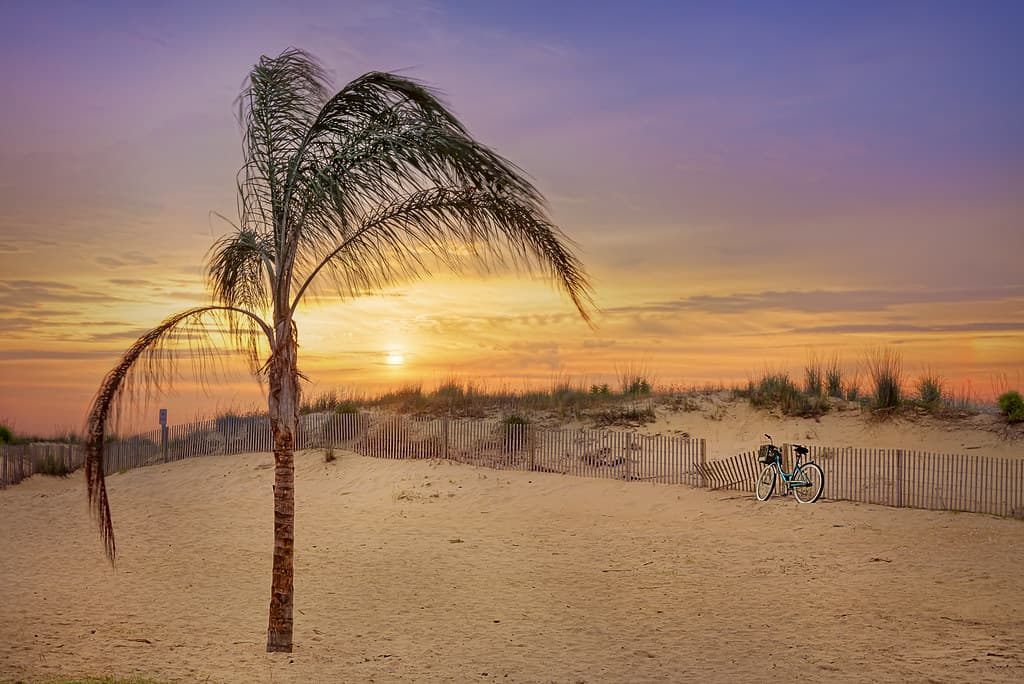
Come evening, the pier becomes a promenade. You lean against the rail watching the sun melt into the horizon line, turning the whitewater amber, while fishermen cast mackerel jigs and families point out sea lions porpoising beyond the breakers. It's a beach that works for a living, welcoming anyone who shows up.


