
The locals call it Bowling Ball Beach, but no name quite prepares you for the surreal geometry waiting below the cliffs. Round boulders, some nearly four feet in diameter, sit half-buried in gunmetal sand, their surfaces worn smooth by millennia of wave action. These concretions formed when mineral cement bound ancient sediment into spheres; erosion freed them from the mudstone cliffs, and now they rest in clusters and rows that shift imperceptibly with each winter storm.
“Nowhere else on the Pacific Coast will you find such a dense concentration of naturally spherical boulders exposed at low tide.”
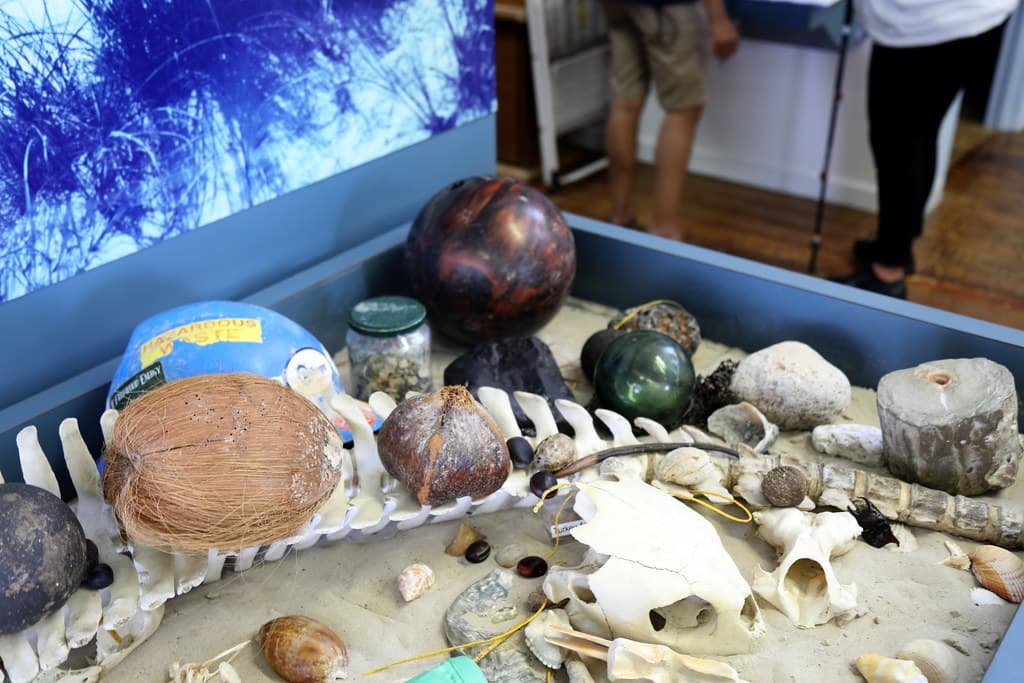 Credit: Flickr
padre_i_nat_seashore_trash_5Div5445
You'll want to check the tide tables before making the scramble down the bluff—two hours either side of low tide offers the best viewing, when the ocean pulls back to expose the full collection. The descent demands sturdy footwear and careful footing on the eroded path. Once down, the beach stretches in both directions, framed by dramatic headlands where ospreys nest and harbor seals haul out on offshore rocks.
Evening light transforms the scene entirely. The westward-facing beach catches the full drama of sunset, when tangerine and violet saturate the sky and the wet boulders gleam like polished river stones. Bring layers—coastal wind here never takes a day off—and expect to have this strange, ancient place mostly to yourself, even on summer weekends when the towns to the north fill with visitors.


