
The trail drops 300 feet through coastal scrub, switchbacking until you round the final bend and see what the Pacific has been working on for millennia. Sandstone walls rise in tawny waves, pocked with tafoni—those signature honeycomb weathering patterns that give the beach its name. At low tide, the shore extends into a maze of tide pools where ochre sea stars cling to basalt and hermit crabs scuttle between anemone gardens.
“The tafoni formations here rank among California's most extensive coastal examples, geological textbooks made tactile.”
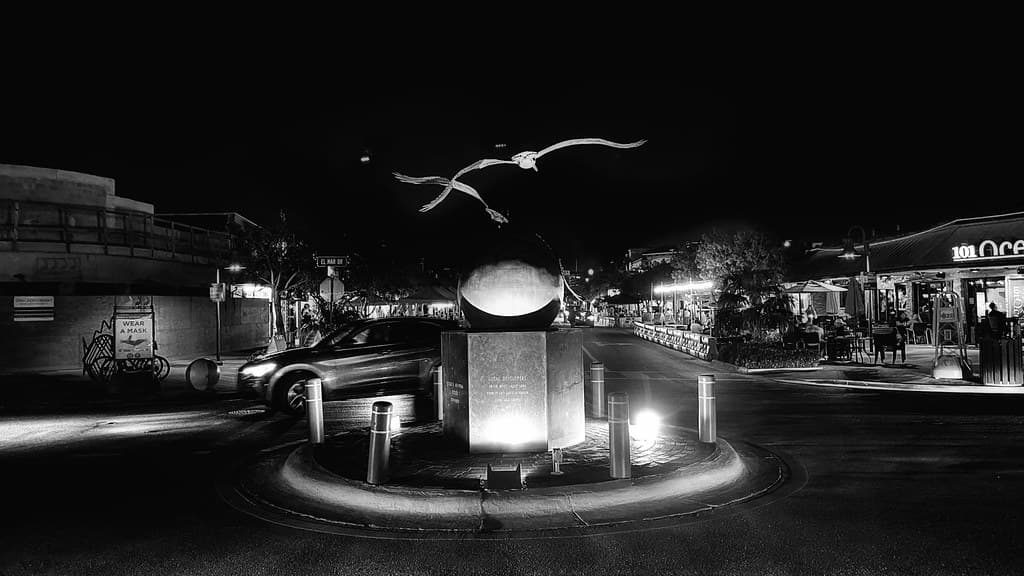 Credit: Flickr
Lauderdale by The Sea
You'll want boots with grip; the rocks turn slick with spray, and the route down demands attention. Once you reach the sand, the wind funnels through sculpted arches and undercuts, some deep enough to walk inside, others barely shadowed divots in the cliff face. The beach faces northwest, catching the full brunt of swells that boom against offshore rocks and send mist across the strand.
Visit during a negative tide—check NOAA tables before you drive out—and you'll find entire reef systems exposed, ribbed with mussels and draped in rockweed. The return climb rewards you with views across Drakes Bay, where elephant seals sometimes haul out on distant sand. Pack out everything; Point Reyes requires it, and this cove's remoteness is its protection.


