Counting the waves…
Counting the waves…

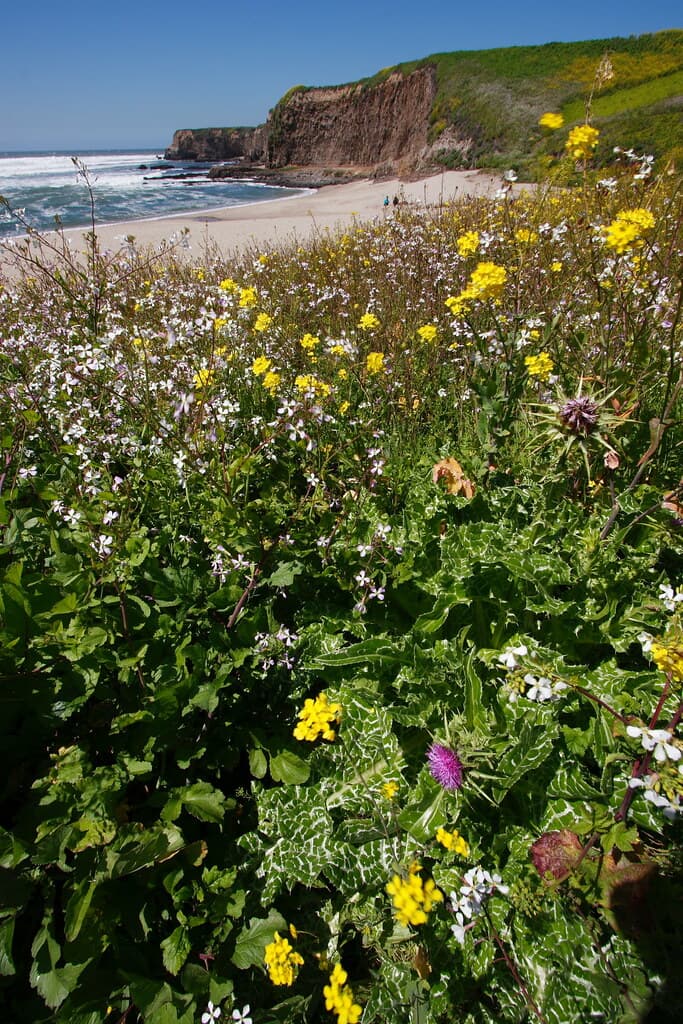
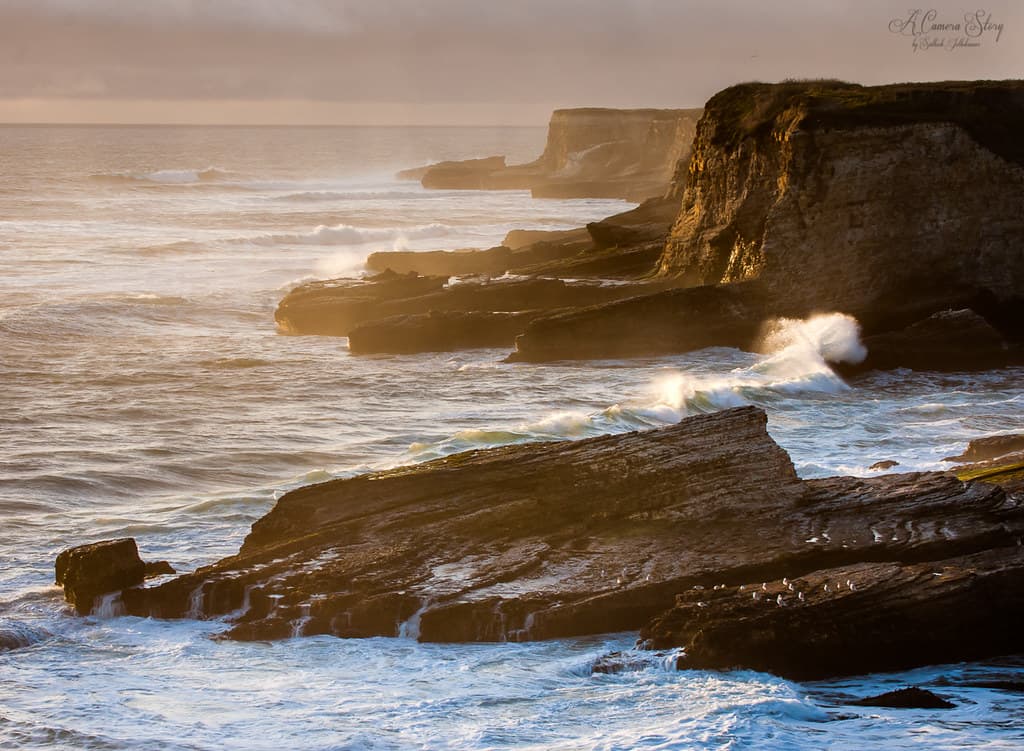
Panther Beach hides in plain sight along Highway 1, tucked beneath eroding bluffs that seem ready to tumble into the Pacific with the next storm. The descent is quick but unforgiving—a slick, eroded path that demands sturdy shoes and a willingness to scramble over roots and loose soil. Once you reach the sand, the effort pays off: striped sedimentary cliffs tower overhead, their layered ochre and gray bands a geology lesson written in stone, while sea stacks jut from the foam like sentinels. The surf here is unforgiving, a churning mess of beach break and rip currents that draws experienced surfers looking for uncrowded peaks and punishes anyone who underestimates the cold northern California water. Even on flat days, the shore break has teeth. Most visitors stay dry, exploring tide pools carved into the rock shelves at low tide or watching cormorants dry their wings on offshore outcroppings. Sunset transforms the cove into a cathedral of light. The western sky ignites behind the cliffs, casting long shadows across the sand and turning the wet rock faces into mirrors of copper and rose. Arrive an hour before dusk, claim a driftwood log, and watch the day die against the continent's edge. The trail back up in twilight is treacherous, so bring a headlamp—and leave before the last light fades.
Places, rentals, tours and events within walking and driving distance of Panther Beach.
Photos
Swimming at Panther Beach is generally not recommended due to dangerous conditions. The beach experiences strong rip currents, unpredictable waves, and cold water temperatures year-round. The rocky shoreline and lack of lifeguards add to the hazards. Most visitors come for the stunning scenery, tide pooling, and photography rather than swimming. If you do wade in, stay close to shore, never turn your back on the ocean, and be extremely cautious. The beach is better suited for experienced surfers who understand ocean conditions.
Panther Beach can be visited year-round, but timing depends on your interests. Summer offers the most stable weather and calmer seas, ideal for exploring tide pools and beach access. Fall provides excellent sunset photography opportunities with dramatic skies. Winter brings bigger swells for experienced surfers but also rougher conditions and higher tides that may limit beach access. Visit during low tide for the best beach exploration. Weekday mornings offer fewer crowds. Sunset is particularly spectacular here, as the cliff formations create photogenic silhouettes against the Pacific horizon.
Panther Beach is located on Highway 1, approximately 3 miles south of Davenport and 10 miles north of Santa Cruz. There's a small, unmarked dirt pullout on the ocean side of Highway 1—look for cars parked near mile marker 5. Parking is limited to about 10-15 vehicles and fills quickly on weekends. From the pullout, a steep, moderately challenging trail descends the cliff to the beach. The trail can be slippery when wet. There are no facilities, signage, or formal parking lot at this hidden location.
Panther Beach has no amenities—no restrooms, water, or facilities of any kind. The small town of Davenport, about 3 miles north, offers limited dining options including a café and restaurant. For more extensive services, Santa Cruz is approximately 10 miles south with full amenities, restaurants, and lodging options. The nearest gas station is in Davenport. Plan to bring everything you need, including water, snacks, and sunscreen. Pack out all trash, as this is an undeveloped beach area relying on visitor stewardship to maintain its natural beauty.
Panther Beach is famous for its dramatic sea caves and sculpted rock arches carved into the coastal cliffs by centuries of wave action. The largest cave features a keyhole opening that creates stunning photography opportunities, especially at sunset when light filters through. These formations are accessible during low tide but become dangerous during high tide and rough surf. Never enter caves when waves are active, as sneaker waves can trap visitors. The constantly changing tide and wave action means conditions vary significantly throughout the day, so check tide tables before exploring.