Counting the waves…
Counting the waves…

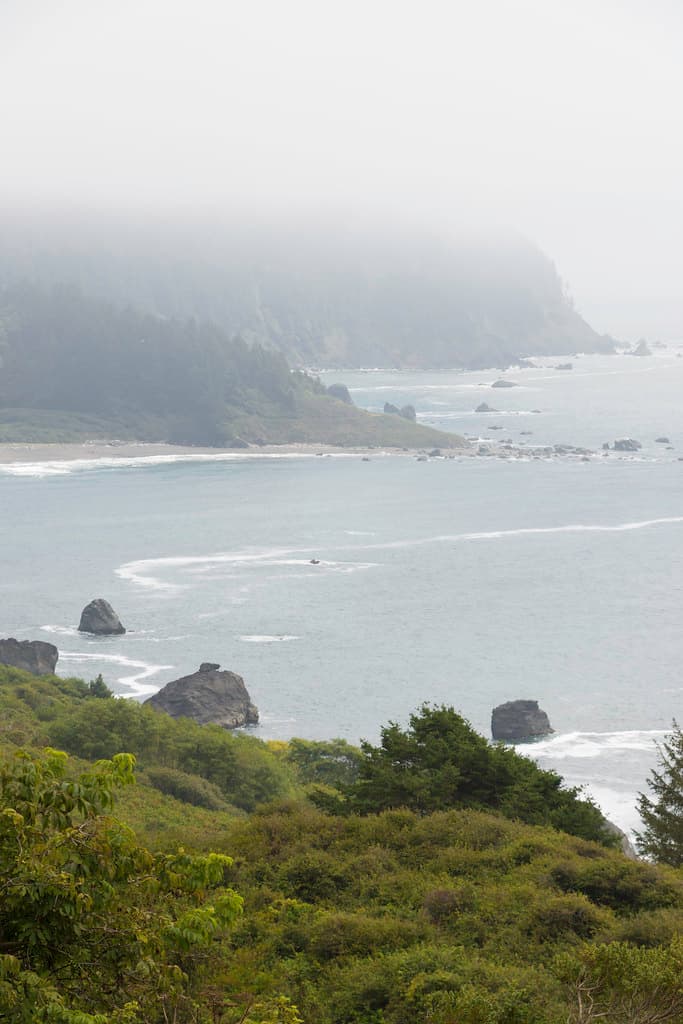
Haley Farm Beach occupies a sliver of shoreline where the mouth of a tidal estuary opens onto Long Island Sound. You walk through preserved farmland—stone walls threading through meadows—before reaching a compact strand hemmed by Spartina grass that rustles in the onshore breeze. The tide dictates everything here: at low water, sandbars appear offshore and hermit crabs scuttle across the flats; at high tide, the beach narrows to a ribbon where wavelets lap against barnacle-crusted boulders. The conservation land behind the beach offers trails through salt marsh and old pasture, where red-winged blackbirds perch on cattails and great blue herons stalk the shallows. Across the inlet, Bluff Point juts into the Sound, its wooded headland providing shelter from southwest winds. Ospreys patrol overhead in summer, diving for menhaden in the brackish mix where river meets sea. This is a beach for watching the interplay of current and tide, not for sprawling on wide sand. You'll share the shoreline with beachcombers pocketing sea glass smoothed by decades of wave action, and paddlers launching kayaks to explore the marsh channels. The rocks warm in afternoon sun, becoming perches for air-drying after a swim in water that tastes faintly of the rivers feeding this estuary.
Places, rentals, tours and events within walking and driving distance of Haley Farm Beach.
Photos
Haley Farm Beach is a small, rocky beach on the Thames River, not the open ocean, which generally means calmer waters. However, there are no lifeguards on duty, so swim at your own risk. The beach is better suited for wading, exploring tide pools, and beachcombing rather than serious swimming. Watch for rocks and uneven surfaces underfoot. Check weather conditions before visiting, and supervise children closely. The protected location makes it relatively safe for families, but always exercise caution in any natural water environment.
Haley Farm Beach is accessible year-round and offers different experiences each season. Summer (June-August) provides warm weather perfect for picnicking and wading, though parking can be limited. Spring and fall offer fewer crowds and excellent opportunities for birdwatching and photography, with beautiful foliage views in autumn. Winter visits reward hardy travelers with peaceful solitude and dramatic scenery. Early morning and late afternoon provide the best light for photography. Since it's more of a scenic spot than a swimming beach, shoulder seasons are ideal for avoiding summer crowds.
Haley Farm Beach is located off Haley Farm Lane in Groton, Connecticut. From Route 1, turn onto Haley Farm Lane and follow it to the small parking area near the beach. Parking is very limited, with space for only a handful of vehicles, so arrive early, especially on summer weekends. The beach is part of the Avalonia Land Conservancy property. Consider visiting during weekdays or off-peak hours to ensure parking availability. The beach access is a short walk from the parking area.
Haley Farm Beach has no facilities—no restrooms, showers, or concessions—so come prepared. The historic Groton town center is about 2 miles away, offering restaurants, cafes, and convenience stores. Nearby Mystic (approximately 6 miles east) has extensive dining options, from seafood shacks to upscale restaurants, plus hotels and shops. For lodging, both Groton and Mystic offer hotels, inns, and bed-and-breakfasts. Pack everything you need, including water, snacks, and sunscreen, as this is a remote, undeveloped beach meant for quiet enjoyment of nature.
Haley Farm Beach is a hidden gem offering solitude and scenic beauty rather than typical beach amenities. Unlike Connecticut's sandy oceanfront beaches, this small rocky shoreline sits on the Thames River, providing stunning views of sailboats and the water. It's part of a conservation area, making it ideal for nature lovers, photographers, and those seeking peaceful contemplation. The beach features interesting rock formations, tide pools, and opportunities for beachcombing. Its secluded location and lack of development create an intimate, unspoiled coastal experience rarely found near more popular tourist destinations.