Counting the waves…
Counting the waves…

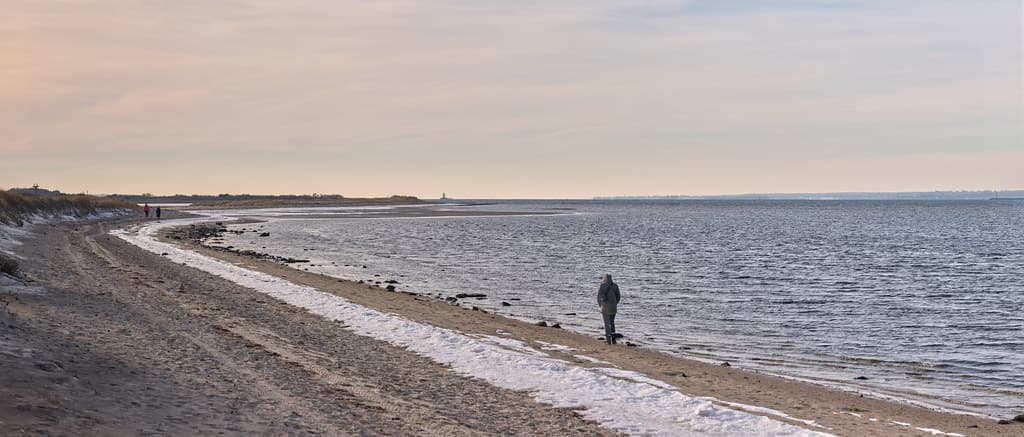
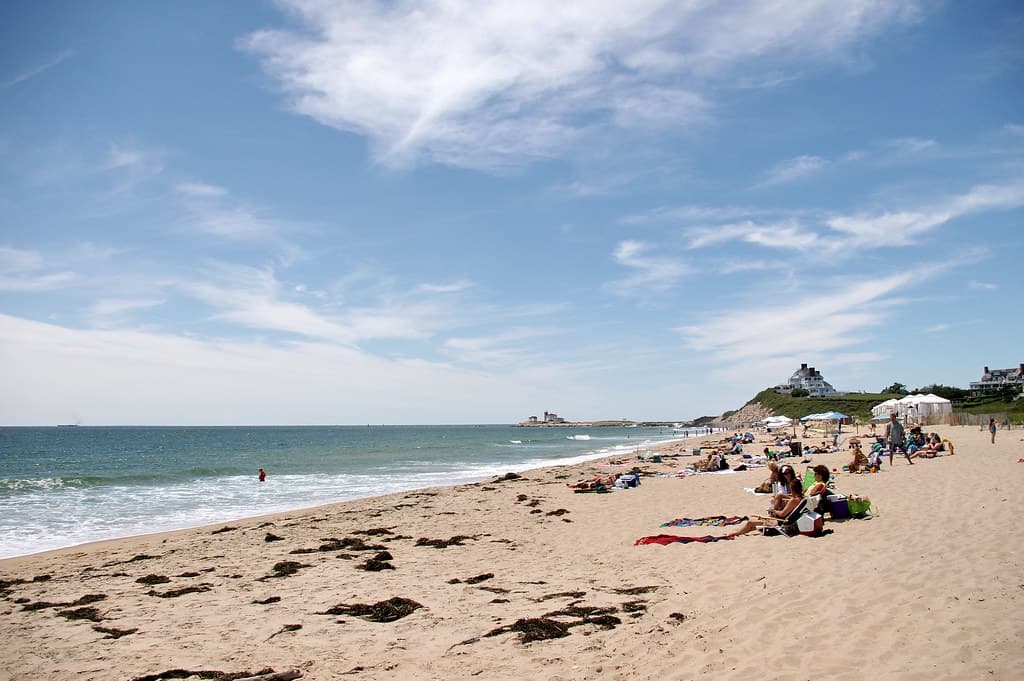
Watch Hill Beach unfurls in a gentle arc below the village's shingled mansions, where weathered beach roses cling to the dunes and sailboats tack across the sound toward Napatree Point. The sand here feels different underfoot—coarser than the powdery strands farther south, packed firm enough for barefoot walks when the tide pulls back. Families stake out spots near the pavilion, their striped umbrellas angled against the southwest breeze that keeps August afternoons bearable. The beach occupies a peculiar position in Stonington's geography, caught between the village's old-money discretion and the public access mandated by Connecticut law. You'll share the sand with day-trippers from Providence and New Haven, but also with multi-generational Watch Hill families whose great-grandparents summered in the same cottages. The water stays cool even in July—mid-sixties on a warm day—thanks to currents sweeping down from Block Island Sound. Low tide reveals the beach's geological underpinnings: bands of slate and schist that stripe the nearshore like the pages of an open book. Sanderlings work these exposed flats in tireless sprints, chasing retreating waves for sand fleas. Behind you, the village maintains its studied reserve—no boardwalk, no arcades, just the carousel's painted horses rising and falling to their pneumatic organ, unchanged since Ulysses S. Grant was president.
Places, rentals, tours and events within walking and driving distance of Watch Hill Beach.
Photos
Watch Hill Beach is generally safe for swimming during summer months when lifeguards are on duty. The beach features calm waters protected by a breakwater, making it suitable for families with children. However, conditions can vary with weather and tides. Always check posted flags and warnings before entering the water. Jellyfish occasionally appear in late summer. Swimming outside of lifeguard hours (typically Memorial Day through Labor Day) requires extra caution. The beach has a gradual slope, making it accessible for various swimming abilities.
The peak season runs from late June through August, offering warm temperatures (75-85°F) and full amenities including lifeguards. However, this means larger crowds and parking challenges. For a quieter experience, visit in late May, early June, or September when weather remains pleasant but crowds thin considerably. Early morning visits any time of year offer beautiful sunrises and peaceful walks. Winter visits appeal to those seeking solitude and dramatic coastal scenery, though swimming isn't advisable and most facilities close.
Watch Hill Beach has limited public parking, primarily at the Napatree Point Conservation Area lot at the beach's western end. Parking is free but spaces fill quickly on summer weekends, often by 9-10 AM. Street parking in Watch Hill village (about a half-mile walk) offers alternatives but also fills fast. Some visitors park in Westerly, Rhode Island, just across the border, and walk. Arriving before 9 AM or after 3 PM improves your chances significantly during peak season.
Watch Hill village, adjacent to the beach, offers several dining options including The Ocean House's casual Weekapaug Inn restaurant, St. Clair Annex ice cream parlor, and various cafes. The historic Ocean House provides luxury accommodations overlooking the water. Additional hotels and vacation rentals are available in nearby Westerly, Rhode Island (2 miles away) and Mystic, Connecticut (15 miles). The beach itself has minimal facilities—just restrooms and outdoor showers—so plan to bring supplies or dine in the village.
Yes, Napatree Point is directly accessible via a scenic 1.5-mile sandy peninsula extending west from Watch Hill Beach. This narrow barrier beach offers excellent walking with ocean views on one side and Little Narragansett Bay on the other. The walk is easy and flat, popular for birdwatching and fishing. The entire peninsula is a conservation area, so development is minimal. Allow 30-40 minutes each way. Be aware that the point can be isolated during storms, and the 1938 hurricane completely destroyed homes once located there.