Counting the waves…
Counting the waves…

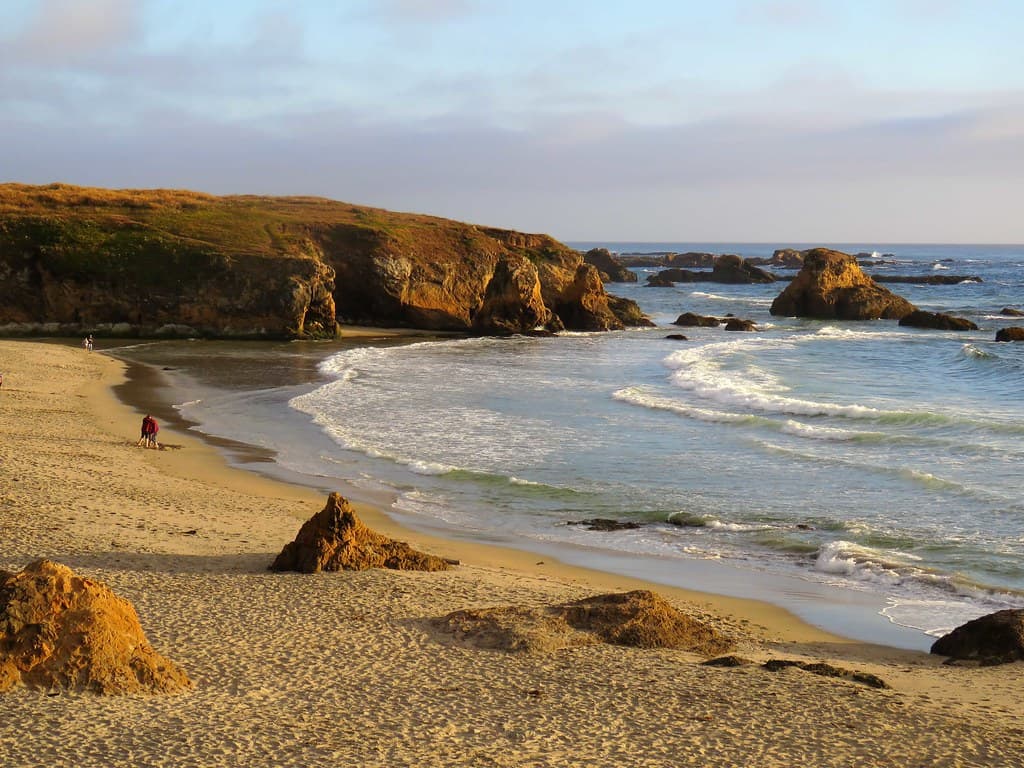
The beach unfolds in two distinct personalities at Cape Henlopen, divided by a sandy peninsula where the Delaware Bay's calm, green-gray waters meet the Atlantic's rolling swells. On the ocean side, waves carve and rebuild the shoreline daily, leaving ribbons of foam and shell fragments. The bay beach spreads wider and flatter, its gentle slope perfect for wading until you're fifty yards out and still ankle-deep. Above the dunes, the 1941 observation tower looms eighty feet high, its weathered concrete walls cool even in July. You'll climb metal stairs to panoramic views—the Lewes-Cape May ferry carving white lines across the bay, wind turbines spinning offshore, and the distinct curve where two bodies of water converge. Below, the park's network of trails winds through maritime forest dense with twisted pines and bayberry shrubs that release their spicy fragrance when you brush past. The state park preserves more than just shoreline. Batteries and bunkers from Fort Miles dot the landscape, half-buried reminders of when these dunes served as coastal defense. You'll find harbor seals hauled out on sandbars in winter, horseshoe crabs spawning in spring tides, and monarch butterflies resting in the dune grass during fall migration. The sand here holds stories beyond sunbathing.
Places, rentals, tours and events within walking and driving distance of Cape Henlopen State Park Beach.
Photos
Swimming is generally safe at Cape Henlopen, but conditions vary. The beach has lifeguards on duty during summer months (Memorial Day through Labor Day), typically from 9am to 5pm. Ocean currents can be strong where Delaware Bay meets the Atlantic, so swim near lifeguard stations and check daily beach condition flags. Rip currents occasionally occur, especially during storms. The calmer bay-side beaches are better for young children. Always supervise kids closely and avoid swimming when red flags are posted.
Summer (June-August) offers warmest water and full amenities, but expect crowds on weekends. Late spring (May) and early fall (September-October) provide pleasant weather with fewer visitors—ideal for beachcombing and hiking. Water temperatures peak in July-August around 70-75°F. Winter visits are perfect for solitude, birdwatching, and storm watching, though facilities are limited. The park is open year-round from 8am to sunset, with off-season visits offering dramatic coastal scenery without summer congestion.
Cape Henlopen is located at 15099 Cape Henlopen Drive in Lewes, Delaware, about two hours from Philadelphia and Washington DC. From Route 1, follow signs into Lewes and take Cape Henlopen Drive to the park entrance. There's a $10 Delaware vehicle entrance fee ($5 for residents). Multiple parking lots serve different beach areas, with the main beach lot accommodating several hundred cars. Arrive before 10am on summer weekends as lots fill quickly. Overflow parking is available but requires longer walks to the beach.
The park has a seasonal bathhouse with restrooms, showers, and changing facilities. A concession stand operates during summer selling snacks, drinks, and beach essentials. For full meals, downtown Lewes (2 miles away) offers numerous restaurants, cafes, and grocery stores. The park has picnic areas with grills. No hotels exist within the park, but Lewes provides lodging options from B&Bs to chain hotels. Nearby Rehoboth Beach (6 miles) has extensive dining and accommodation choices. Bring your own food for off-season visits.
Cape Henlopen features historic WWII-era concrete fire control towers that are iconic landmarks, but they are not open for climbing due to safety concerns and preservation efforts. You can view these bunkers and towers from outside and photograph them from beach level. The park's observation tower near the nature center is accessible and offers panoramic views of the coastline. Educational displays throughout the park explain the military history. The Fort Miles Historic Area includes museum exhibits about the coastal defense installations open seasonally.